Fire dampers and smoke dampers are both installed within ventilation systems, but they perform slightly different safety functions. So, what is the difference between a fire damper and a smoke damper?
What is a Fire Damper?
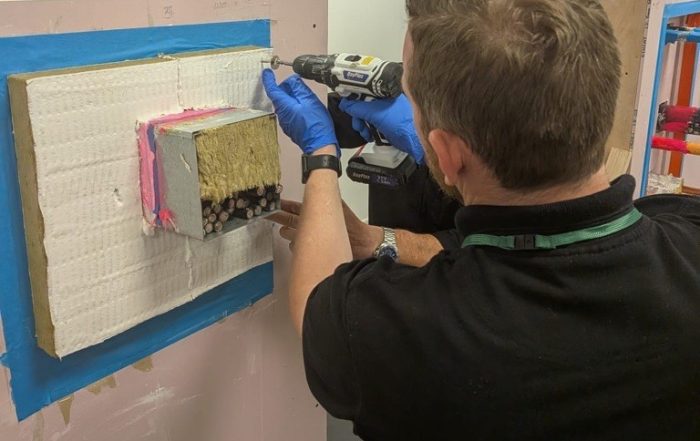
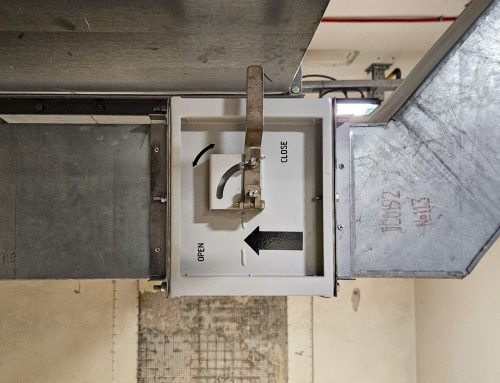
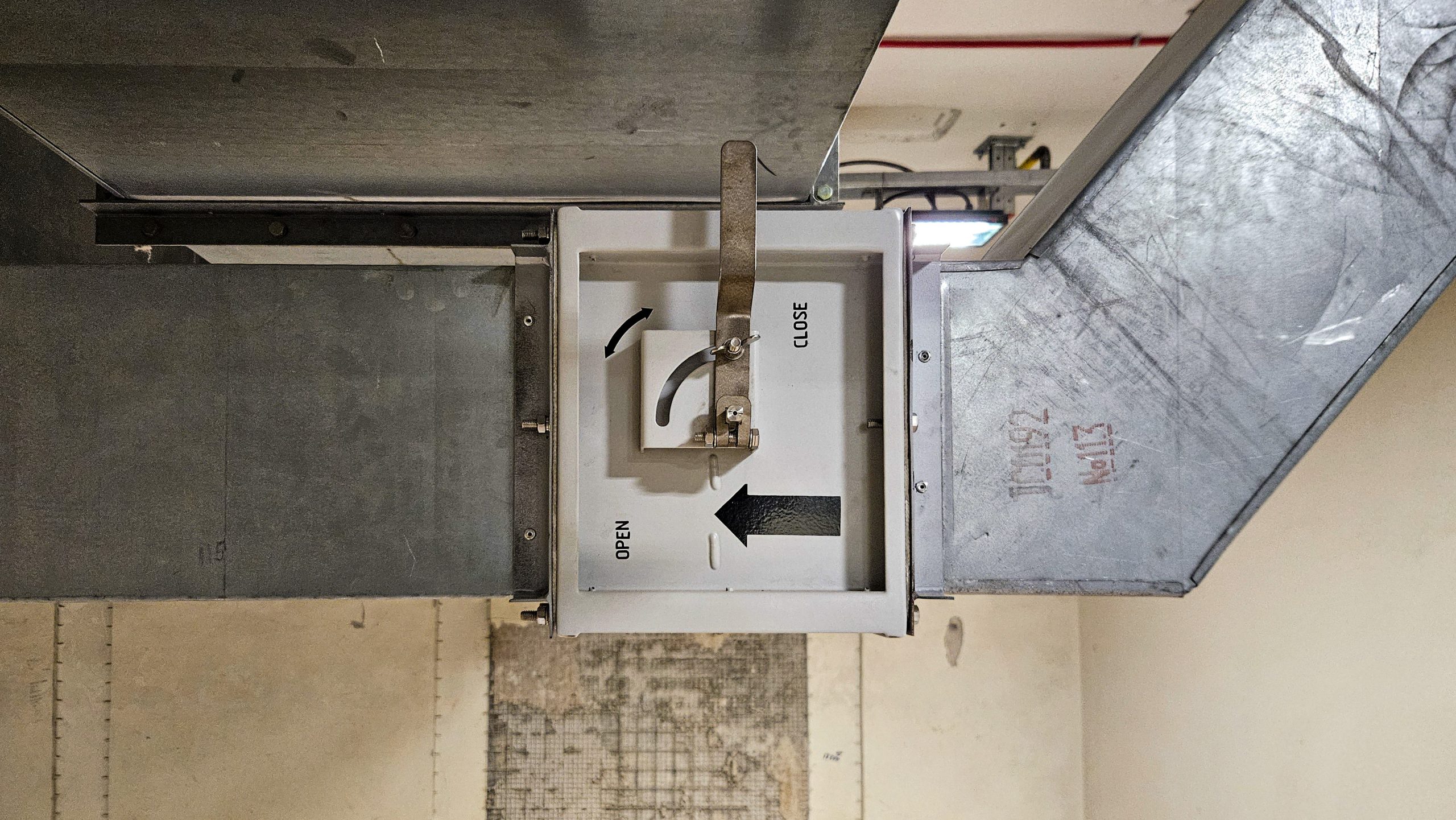
A fire damper is designed to maintain fire compartmentation where ductwork passes through a fire-resisting wall or floor, and when exposed to high temperatures, the damper closes to help prevent flames and heat from spreading through the ductwork into another part of the building.
For a more detailed explanation of how fire dampers work and where they are installed, read our guide on fire dampers explained.
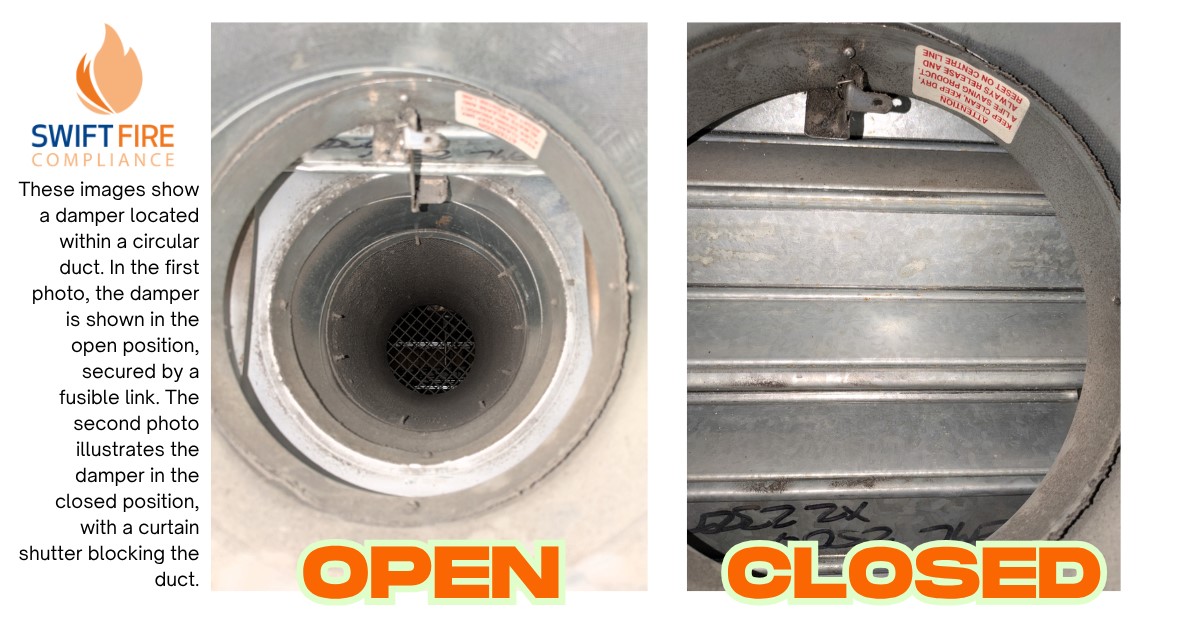
Key fact: A fire damper is a passive fire protection device. It does not rely on a control signal, a power supply, or a connection to the fire alarm system. It responds directly to heat through a fusible link mechanism, making it independent of the building’s active fire safety systems.
What is a Smoke Damper?
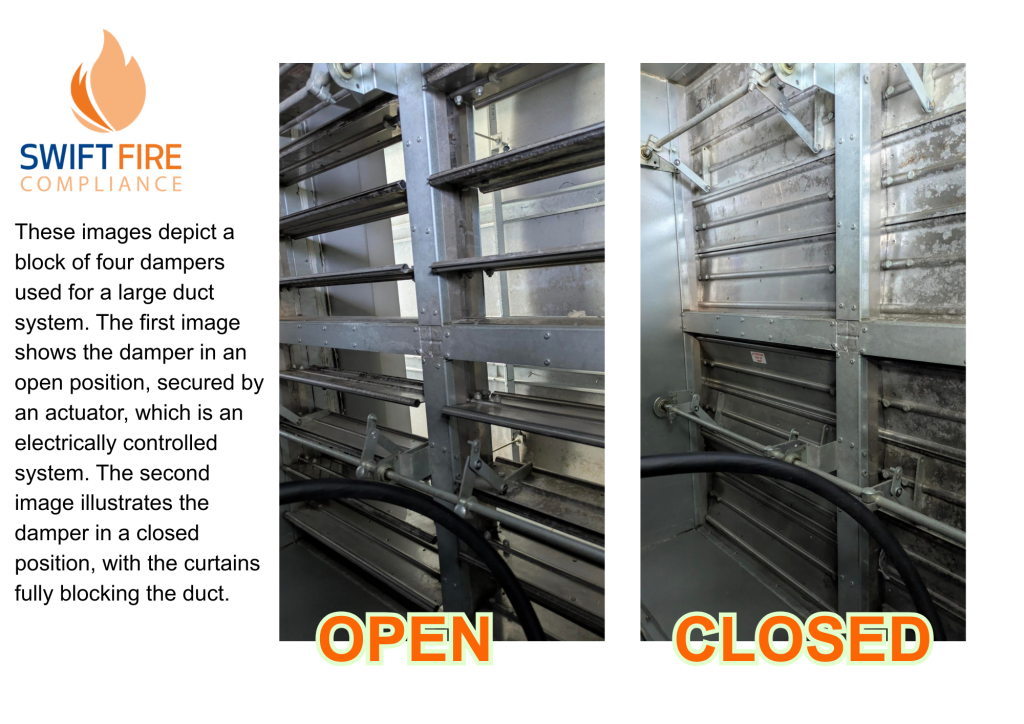
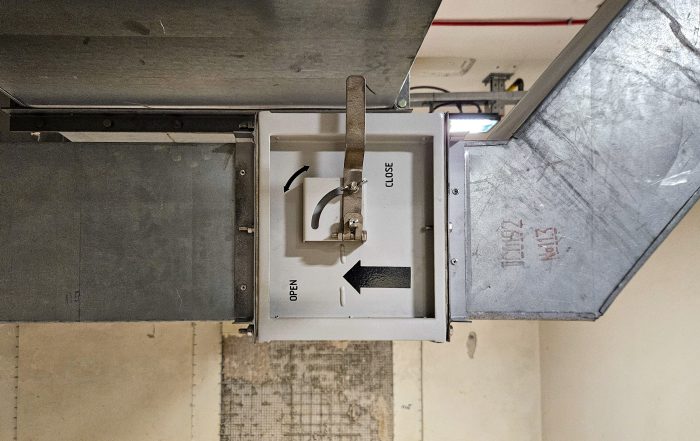
A smoke damper (often called a smoke control damper) is designed to manage the movement of smoke.
It is usually connected to the building’s fire detection or smoke control system and can be instructed to open or close as part of a planned fire-safety sequence. This can help contain smoke, protect escape routes or support smoke extraction.
The key difference
Put simply:
- Fire dampers respond to heat and help maintain fire compartmentation.
- Smoke dampers respond to a control signal and help manage smoke movement.
Some systems use combined fire and smoke dampers, which are designed to perform both functions.
Unlike fire dampers, smoke dampers require a power supply and a control interface to operate. Their performance depends not only on the damper itself but on the correct functioning of the fire detection system, smoke control panel, and associated wiring and controls.
What Is a Combined Fire and Smoke Damper?
Some systems use combined fire and smoke dampers, which are designed to perform both functions within a single unit. A combined damper incorporates both a fusible link for thermal activation and a motorised actuator for control signal activation, allowing it to respond to either heat or a smoke detection signal.
Combined dampers are increasingly common in modern buildings where both fire compartmentation and smoke control are required at the same ductwork penetration point. They require both passive and active maintenance, covering both the mechanical fusible link mechanism and the motorised actuator, control interface and power supply.
The Key Difference at a Glance
Although fire dampers and smoke dampers are both fitted within ventilation ductwork, they perform different roles within a building’s fire safety strategy. A fire damper is usually heat activated and designed to close when its thermal element or fusible link operates, helping to maintain fire compartmentation. A smoke damper is typically motorised and responds to a signal from the building’s fire alarm, smoke detection or smoke control system to manage the movement of smoke. Combined fire and smoke dampers bring both functions together in one unit.
The table below provides a simple comparison.
| Fire Damper | Smoke Damper | Combined Damper | |
|---|---|---|---|
| Primary function | Maintains fire compartmentation | Manages smoke movement | Both functions in one unit |
| Activation method | Fusible link responds to heat | Control signal from detection system | Both thermal and control signal |
| Power required | No | Yes | Yes |
| Connected to fire alarm | No | Yes | Yes |
| Classification | Passive fire protection | Active fire protection | Passive and active |
To understand the mechanics behind both damper types in more detail, read our guide on how fire and smoke dampers work.
How Does DW145 Apply?
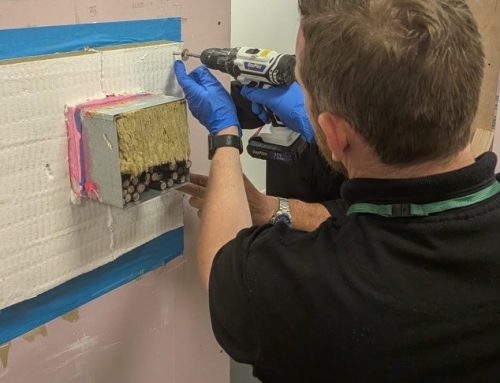
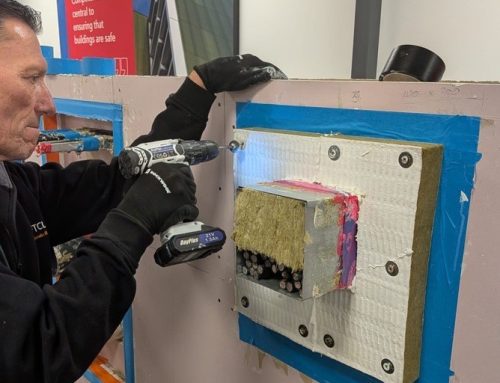
DW145, published by the Building Engineering Services Association, provides guidance on the design, installation, inspection and maintenance of both fire and smoke control dampers. It was revised in 2024 and sets the recognised industry standard for what competent damper installation and testing should involve.
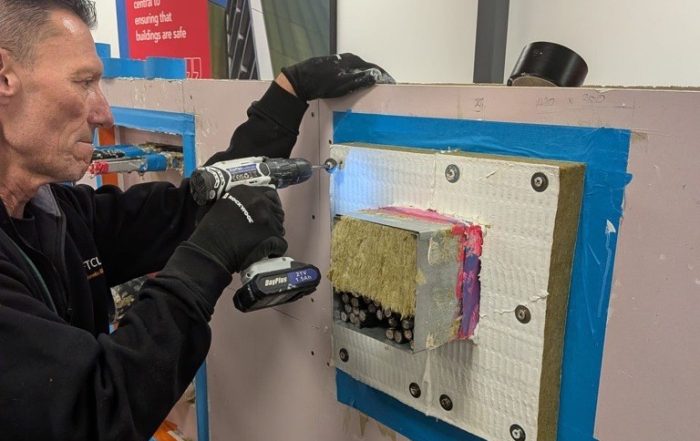
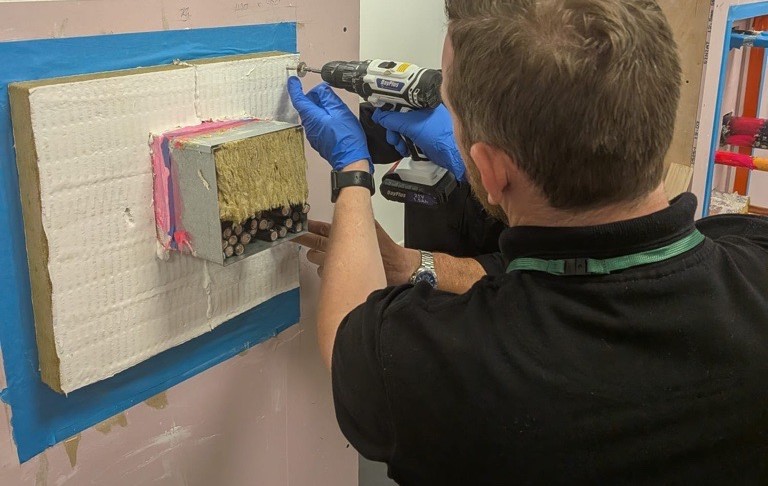
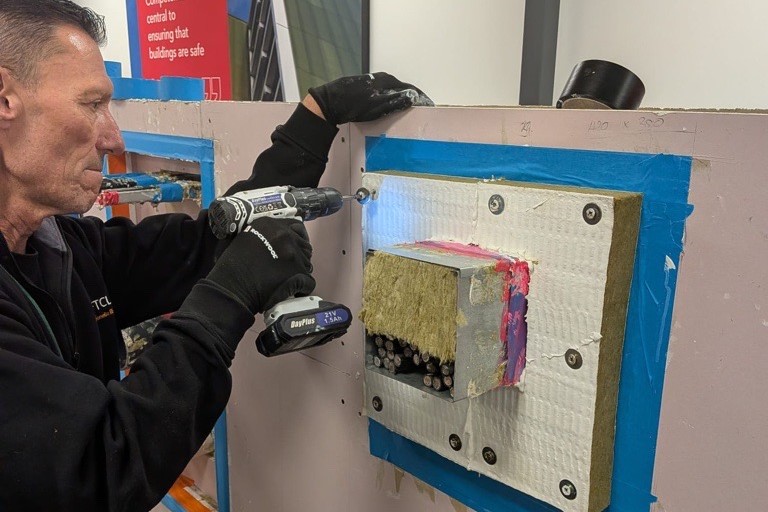
The guidance also notes that the damper, supporting construction, and penetration seal must work together; a compliant damper won’t function properly if installed incorrectly or if the surrounding fire stopping is insufficient.
The guidance emphasises several key principles that apply equally to fire dampers, smoke dampers and combined units:
- Every damper must be properly identified and included in the building’s asset register
- Dampers must be easily accessible for inspection, testing and repair
- Installation must follow manufacturer guidance and the tested method for the specific application
- The damper, its supporting construction, and the surrounding fire-stopping must work together as a system
- Function testing must be carried out at appropriate intervals by a competent person
- Test reports must clearly distinguish operational results from wider installation observations
A compliant damper in an otherwise poor installation is not a compliant installation. The guidance makes clear that the performance of the damper cannot be assessed in isolation from the construction it sits within.
For a full breakdown of what DW145 requires and how it applies to your building, read our DW145 fire damper compliance guide for UK buildings.
What Facilities Managers Need to Know
Facilities managers should ensure that:
- Every damper, no matter the type, is identified and included in the building’s asset register.
- Suitable access is available for inspection, testing and maintenance.
- Installation and maintenance follow the manufacturer’s instructions and relevant DW145 guidance.
- Function testing is completed at the appropriate intervals by a competent person.
- Any defects, obstructions or access issues are recorded and corrected.
- Fire alarm and smoke control interfaces are tested where applicable.
Installing the correct damper is only part of the solution. It must also be accessible, maintained and able to operate as intended throughout the life of the building.
Swift Fire Compliance can help you understand your damper inventory, identify compliance gaps and arrange appropriate inspection and testing.
Important: A smoke damper that closes correctly but is disconnected from the fire detection system will not respond in a real emergency. Control interfaces, actuators and power supplies must all be included within the testing programme, not just the mechanical operation of the damper itself.
Tip for facilities managers: Where combined fire and smoke dampers are installed, both the thermal activation mechanism and the motorised actuator must be tested. Testing only one aspect of the damper does not confirm that the complete unit will perform correctly in a fire. Make sure your testing contractor checks and records both functions.
Not Sure What Type of Dampers Your Building Has?
Swift Fire Compliance can survey your building, identify every damper in your asset register, and arrange appropriate inspection and testing for fire dampers, smoke dampers and combined units across your estate.
Speak to Our Team Call Us: 0800 243 471Your Fire and Smoke Damper Questions Answered
What is the main difference between a fire damper and a smoke damper?
A fire damper responds to heat through a fusible link mechanism and closes automatically to maintain fire compartmentation at a duct penetration in a fire-resisting wall or floor. A smoke damper responds to a control signal from the building’s fire detection or smoke control system and is used to manage the movement of smoke as part of a planned fire safety sequence. Fire dampers are passive fire protection devices. Smoke dampers are active fire protection devices that require a power supply and control interface to operate.
Do fire dampers and smoke dampers need to be tested differently?
Yes. A fire damper function test involves triggering the fusible link or thermal activation mechanism to confirm that the damper closes fully and can be correctly reset. A smoke damper test must also verify that the motorised actuator operates correctly when a control signal is received, that the damper responds as expected within the smoke control sequence, and that the power supply and control interface are functioning. Combined dampers require both elements to be tested.
How often should smoke dampers be tested?
Smoke dampers should be tested at intervals specified by the building’s smoke control system maintenance programme and in line with BS 9999:2017. The testing frequency may differ from that of standard fire dampers and should be confirmed through a site-specific assessment. Where combined fire and smoke dampers are installed, both the thermal and motorised activation functions should be tested at the appropriate intervals. For a full guide to testing intervals, including annual testing requirements and when more frequent inspections may be needed, read our article on how often fire and smoke dampers should be tested
Who is responsible for ensuring fire and smoke dampers are tested?
Under the Regulatory Reform (Fire Safety) Order 2005, the Responsible Person bears legal accountability for ensuring that fire safety systems, including fire and smoke dampers, are maintained in an efficient state and in good working order. This responsibility cannot be transferred by appointing a contractor. The Responsible Person must ensure that testing is carried out to the required standard and that documentation is retained as evidence of compliance.
For a more detailed explanation of legal accountability, duty holder responsibilities and the role of competent contractors, read our guide to who is responsible for fire damper testing in the UK
What happens if a smoke damper fails its test?
A smoke damper that fails its test represents a gap in the building’s smoke control strategy. The fault should be recorded in the inspection report with a clear description of the nature of the failure and the recommended remedial action. The responsible person should arrange for remedial works to be completed promptly and the damper retested on completion. Swift Fire Compliance can carry out remedial works and retesting as part of an integrated programme.
To understand the common faults that can prevent dampers from operating correctly, and how a planned testing and maintenance programme can reduce the risk of failure, read our guide to common fire damper failures and how to prevent them.
.
About the Author: Abbey Maxwell