A Beginner’s Guide to Fire Dampers
When it comes to fire safety in buildings, many people think of fire alarms, extinguishers and emergency exits. However, hidden above ceilings and behind walls is another essential life safety device that often goes unnoticed – the fire damper.
Despite being largely invisible during everyday use, fire dampers play a vital role in preventing the spread of fire and smoke through a building’s ventilation system. Understanding what they are, how they work and your legal responsibilities can help keep occupants safe while ensuring your building remains compliant.
What is a Fire Damper?
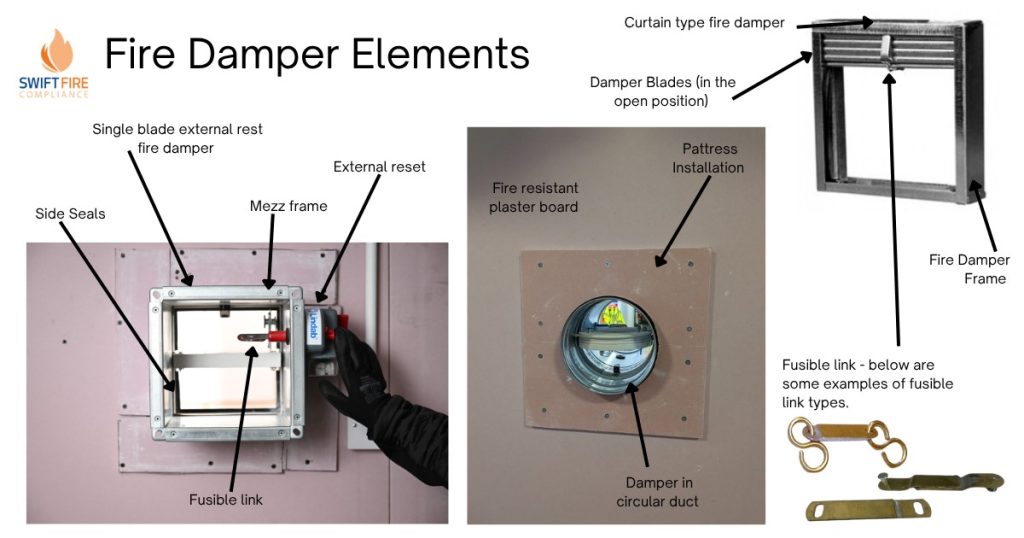
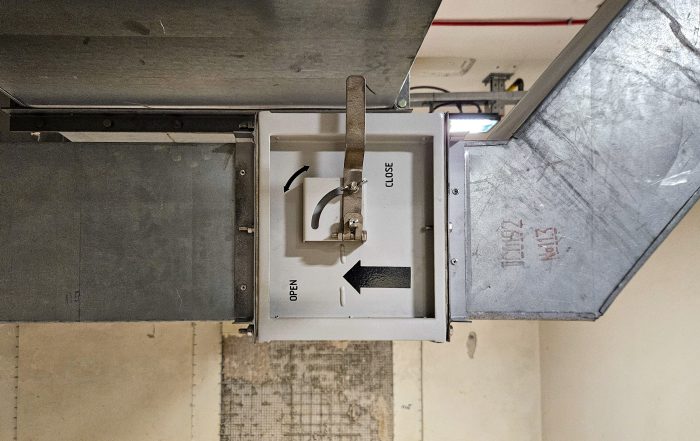
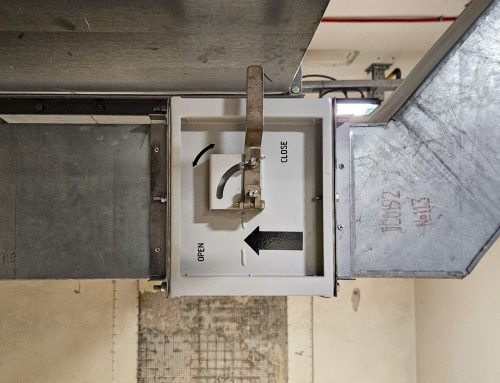
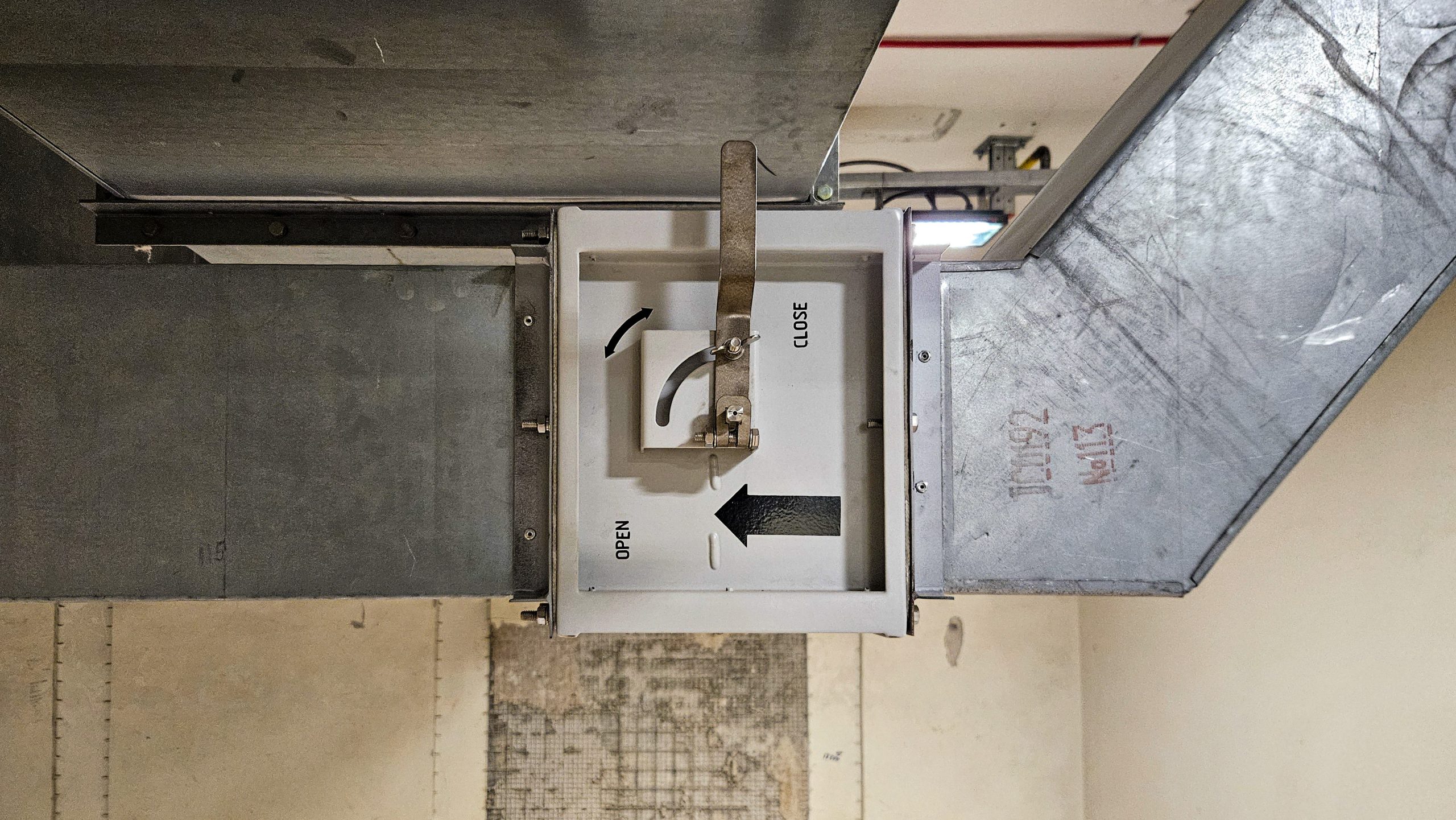
A fire damper is a passive fire protection device installed within ventilation ductwork where it passes through a fire-resistant wall, floor or partition.
Under normal operating conditions, the damper remains open, allowing air to move freely throughout the building’s ventilation system.
However, if a fire occurs, the damper automatically closes, restoring the fire resistance of the wall or floor it passes through. This helps to prevent flames, heat and, in some cases, smoke from travelling through the ductwork into other parts of the building.
In simple terms, fire dampers help compartmentalise a building during a fire, buying valuable time for occupants to evacuate safely and for the emergency services to respond.
How Do Fire Dampers Work?
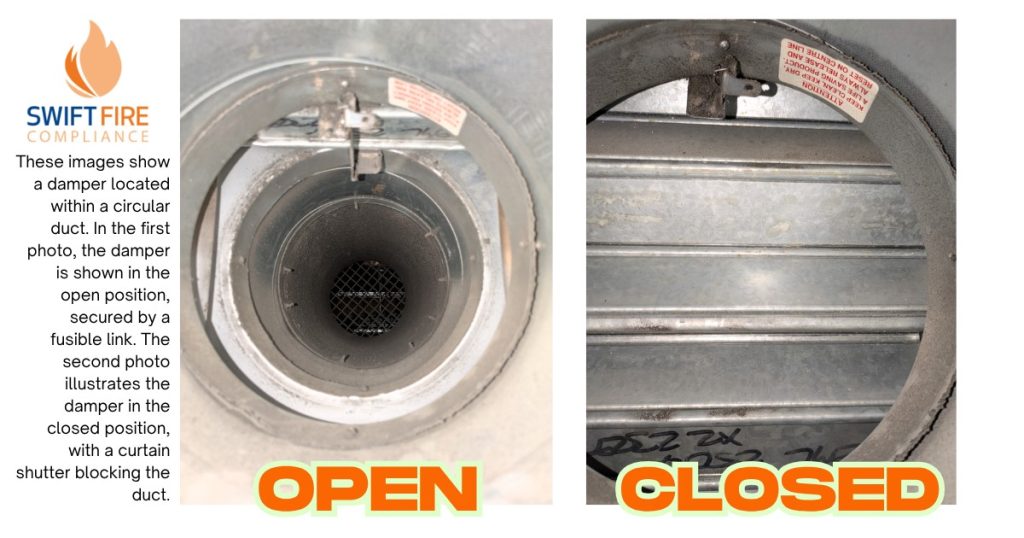
Most traditional fire dampers operate using a heat-sensitive fusible link.
The fusible link is designed to melt when it reaches a specific temperature, typically around 72°C. Once the link melts, springs inside the damper automatically force the blades closed, sealing the duct.
Some modern dampers are motorised and connected to a building’s fire alarm or Building Management System (BMS). These dampers can close automatically when a fire alarm activates and are often used where more sophisticated control or testing is required.
Once activated, a fire damper should always be inspected and, where necessary, reset or replaced by a competent person before the ventilation system is returned to service.
What Are the Different Types of Fire Dampers?
There are several types of dampers used in commercial buildings, each designed for a specific purpose.
Curtain Fire Dampers
Curtain fire dampers are one of the most common types. They consist of interlocking blades that fold away while the system operates normally. When activated, the blades drop into place to close the duct.
These are commonly installed where space is limited.
Multi-Blade Fire Dampers
Multi-blade fire dampers use several horizontal blades that rotate together to seal the duct when activated.
They are often found in larger ventilation systems and are available in both mechanical and motorised versions.
Fire and Smoke Dampers
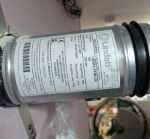
Unlike standard fire dampers, fire and smoke dampers are designed to prevent both flames and smoke from spreading through ventilation systems.
Smoke is responsible for the majority of fire-related fatalities, making these dampers particularly important in buildings where occupants may need longer evacuation times, such as hospitals, care homes and large commercial premises.
These dampers are typically motor-operated and controlled via the building’s fire alarm system.
Smoke Dampers
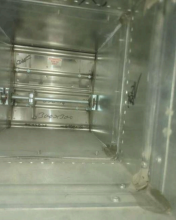
Smoke dampers are specifically designed to control the movement of smoke rather than fire. They may be used as part of a smoke control or smoke extraction system and are commonly found in larger or more complex buildings.
Where Are Fire Dampers Installed?
Fire dampers are installed wherever ventilation ducts pass through fire compartment walls or floors.
Typical locations include:
- Office buildings
- Schools and universities
- Hospitals
- Hotels
- Care homes
- Shopping centres
- Factories
- Apartment buildings
Many buildings contain dozens or even hundreds of fire dampers, the majority of which are hidden above suspended ceilings or within service risers. Do you know where your dampers are located? A survey can help you to find this out.
Why Are Fire Dampers So Important?
Ventilation systems are designed to move air efficiently throughout a building. Unfortunately, during a fire, they can also provide a route for flames and smoke to spread rapidly if left unprotected.
So, why do correctly functioning fire dampers help? Fire dampers help to:
- Maintain fire compartmentation
- Slow the spread of fire
- Reduce smoke migration
- Protect escape routes
- Help safeguard property
- Support safe evacuation
Without properly functioning fire dampers, even a well-designed fire compartment can be compromised.
Fire Damper Inspection and Maintenance
Like any life safety system, fire dampers require regular inspection and testing.
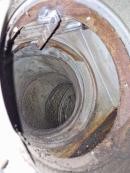
Dust, corrosion, accidental damage or alterations to the ventilation system can prevent a damper from operating correctly when needed.
Inspections typically involve locating each fire damper, checking its physical condition, testing that it opens and closes correctly, confirming access is suitable, recording results, asset tagging or labelling the damper where appropriate, providing recommendations for any remedial works and checking the condition of the surrounding duct.
Maintaining accurate records is an important part of demonstrating compliance.
In most buildings, dampers should be checked regularly, and our article on how often fire smoke dampers should be tested covers the usual frequencies.
Book Your Fire Damper Inspection Today
If you are unsure when your dampers were last tested, contact Swift Fire to discuss a compliant inspection and maintenance programme.
Contact Swift Fire Compliance TodayWhat Does the Law Say?
In England and Wales, several pieces of legislation and guidance place responsibility on those managing buildings to ensure fire dampers are properly maintained.
The primary legislation is the Regulatory Reform (Fire Safety) Order 2005, which places a duty on the Responsible Person to ensure fire safety equipment is maintained in an efficient state, in efficient working order and in good repair.
Industry guidance also recommends regular fire damper testing, including:
- BS 9999:2017 – Fire safety in the design, management and use of buildings, which recommends fire dampers are tested at least every 12 months.
- Dampers in dust-laden environments may require more frequent inspections.
- Fire dampers in hospitals should typically be tested every six months due to the critical nature of these environments.
Failure to inspect and maintain fire dampers could leave a building owner or Responsible Person exposed to enforcement action, prosecution or increased risk during a fire.
For a closer look at compliance duties, see is fire damper testing a legal requirement?
How Can Swift Fire Compliance Help?
At Swift Fire Compliance, our specialist engineers inspect, test and maintain fire dampers in accordance with current legislation and recognised industry guidance.
Our comprehensive fire damper service includes:
- Fire damper inspections and testing
- Asset identification and labelling
- Digital reporting
- Photographic evidence
- Remedial repairs where required
- Compliance documentation to support your fire risk management
Whether you manage a single building or an entire estate, we can help ensure your fire dampers remain compliant and ready to perform should the worst happen.
Fire dampers may be hidden from view, but their role in protecting buildings and saving lives cannot be overstated.
Understanding what they do, ensuring they are regularly inspected and keeping accurate maintenance records are all essential parts of responsible building management.
If you’re unsure whether your building’s fire dampers have been inspected recently, or you’d like expert advice on compliance, the Swift Fire Compliance team is here to help.
Frequently Asked Questions About Fire Dampers
Why are fire dampers important?
Fire dampers are important because they support passive fire protection. If they fail, fire and smoke can spread more quickly through ventilation systems, increasing risk to people and property.
Where are fire dampers usually fitted?
Fire dampers are usually installed where ductwork passes through fire-resistant walls, floors, or compartments. They are often hidden above ceilings, in risers, or inside service voids.
How often should fire dampers be tested?
Fire dampers should be tested regularly in line with the building’s fire safety strategy and current guidance. In many buildings, annual inspection and testing is recommended, but the exact frequency should be confirmed for each site.
Who is responsible for fire damper testing?
The duty holder, landlord, managing agent, or responsible person is usually responsible for making sure fire dampers are inspected and maintained. This can depend on how the building is managed and who controls the premises. We explain this futher in out article who is responsible for fire damper testing in the UK?
What happens during fire damper testing?
An engineer will access the damper, inspect its condition, and check that it operates correctly. If any defects are found, remedial action may be needed, such as cleaning, adjustment, or access improvements.
What if a fire damper is inaccessible?
If a fire damper cannot be reached safely for inspection or testing, remedial works may be required. This could include installing access panels or removing obstructions so the damper can be properly maintained.
What documents should I receive after testing?
You should receive a report or certificate showing which dampers were tested, the results, and any remedial actions needed. This paperwork is important for compliance records and future fire safety audits. Download our free compliant fire damper reports to see what this should look like.
About the Author: Richard Crews