It’s easy to overlook fire dampers. Since they’re typically located in ductwork and in other hard-to-see spaces, fire dampers are often subject to an out of sight, out of mind mindset.
However, it’s important to remember that simply having fire dampers in place doesn’t mean that you’re compliant. That depends on whether the products were right to begin with, whether they were installed correctly, and whether anyone’s actually checking that they’re fully functional.
Even if you had compliant fire dampers in the past, if no one’s checked for years, then how do you actually know if they’re still up to standard?
In this article, we’ll outline what you need to know about fire damper regulations and compliance, including what it means in practice, how professional inspection can help, and what to do if a fire damper system fails inspection.
Article Overview:
A fire damper can only be confidently considered compliant when it can be identified, accessed, inspected, function tested, reset and recorded. Any defects, missing records or inaccessible dampers should be addressed through a planned remedial program.
What Fire Damper Compliance Means in Practice
It’s natural to think that a fire damper is compliant simply because it’s there, but that’s not the case. Compliance rests on the correct procedures being followed before, during, and after installation.
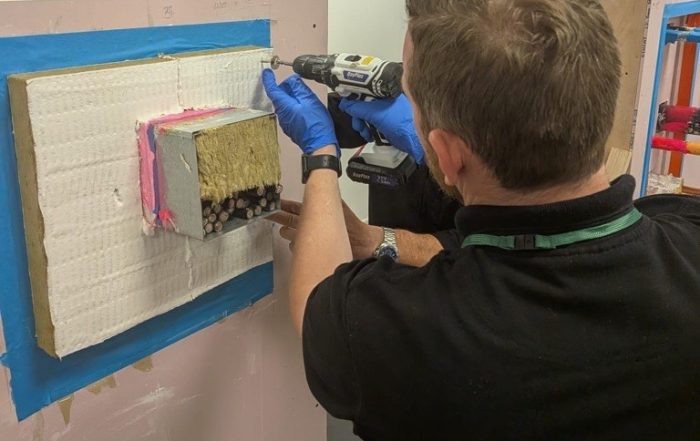
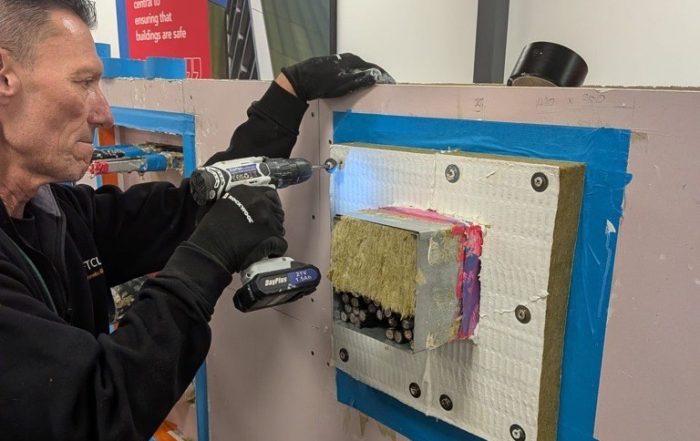
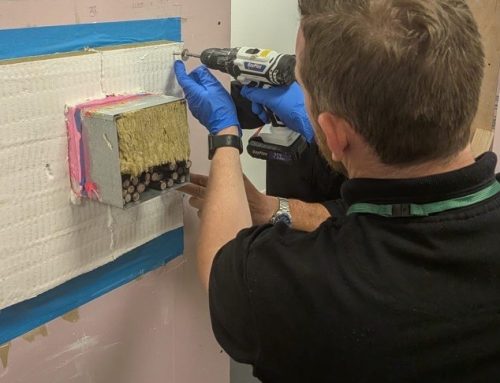
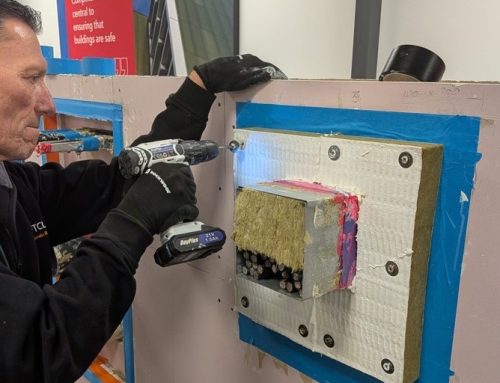
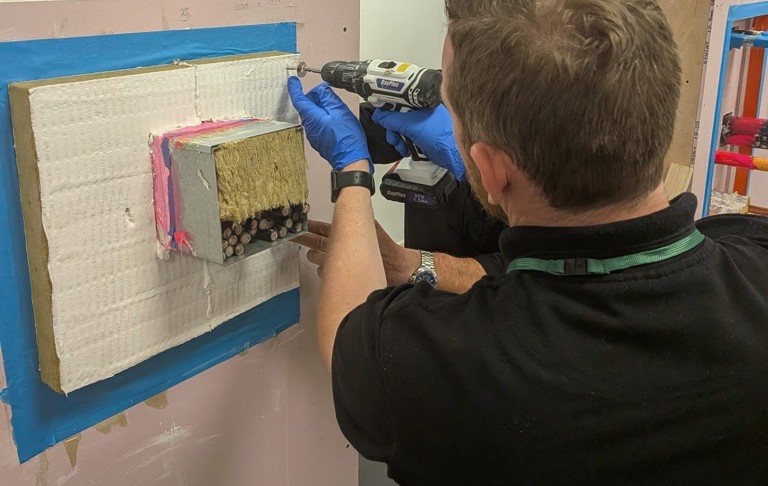
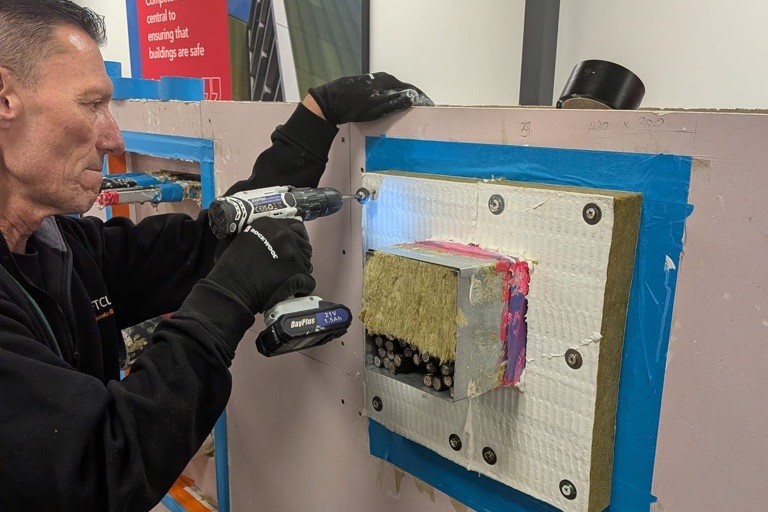
Fire damper installation regulations outline that they must be installed per the manufacturer’s installation instructions and be correctly orientated and fixed. They also need to be accessible (for testing/maintenance) and in good condition. Some other key factors for ensuring compliance include:
- Identification: Each damper should have a unique label or asset reference.
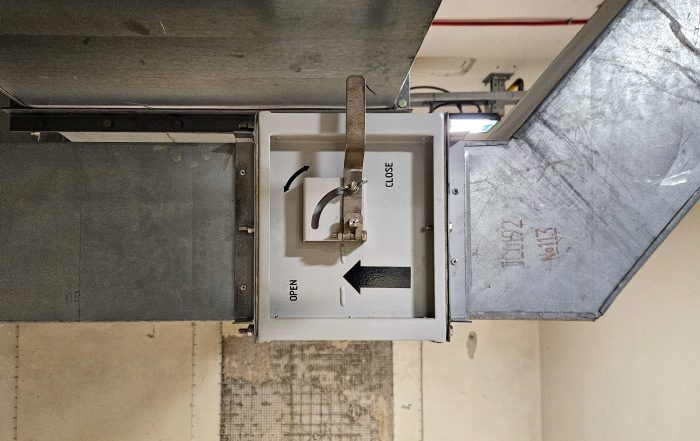
- Accessibility: Suitable access should be available for inspection, testing and resetting.
- Inspection: Dampers should be checked for condition, corrosion, damage, debris and obstructions.
- Testing: Functional tests should confirm that dampers close fully and can be reset correctly.
- Maintenance: Defects should be prioritised and addressed promptly.
- Record keeping: Documentation should demonstrate what was inspected, what was found and what action was taken.
- Fire stopping: The seal around the duct penetration should not compromise the fire resistance of the wall or floor.
Under Article 17 of the Regulatory Reform (Fire Safety) Order 2005, the Responsible Person must ensure that relevant fire-safety facilities, equipment and devices are subject to a suitable maintenance system and maintained in an efficient state, in efficient working order and in good repair.
| To understand who holds this responsibility in a building, read our guide to who is responsible for fire damper testing in the UK. |
Need help with fire damper compliance? Call Swift Fire Compliance Today!
Call 0800 243 471 Get a Free QuoteCompliant Fire Dampers: What Professional Inspection Covers
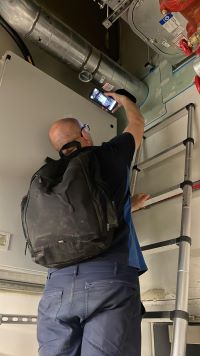
Working with a professional team that has extensive experience and expertise with fire damper regulations can ensure that your dampers are in full working condition. Typically, they’ll check the following:
- Whether the dampers are accessible
- Whether they were installed correctly
- Whether they’re free from obstruction or corrosion.
- Whether they can operate correctly.
They can also assist with documentation, such as asset registers, inspection records, photographs, and remedial work documentation, which can be vital for insurance claims, audits, and post-fire investigations.
Common Signs a Fire Damper May Require Attention
If you notice any of the following, it’s best to get in touch with a company that specialises in fire damper testing regulations:
- Missing access panels
- Damaged damper components
- Fire damper corrosion
- Fire damper obstruction
- Failed testing
- Missing records
| For a full explanation of what a competent inspection should include, read our article on fire damper testing and inspection. |
Swift Fire Compliance Tip
A visual inspection alone does not confirm that a fire damper will operate during a fire. The damper must be function tested to confirm that it closes fully and can be reset correctly.
How Often Should Fire Dampers Be Tested?
Fire damper testing should be part of a planned maintenance program. BS 9999 guidance is commonly used to inform testing arrangements and recommends that fire dampers are tested by a competent person on completion of installation and at least annually.
The same guidance indicates that dampers in dust-laden or similarly contaminated environments may need testing more frequently, based on the degree of pollution and the risk presented by the building or system.
This matters in buildings with commercial kitchens, manufacturing processes, high dust loads, older ventilation systems or areas where dampers are more likely to be affected by contamination.
A damper that cannot be accessed or tested cannot be confirmed as compliant. In many cases, suitable access panels may need to be installed so that testing and resetting can take place safely.
| For more detail on testing intervals and the factors that affect them, read our article on how often fire and smoke dampers should be tested. |
What To Do if a Fire Damper Fails Inspection
If a fire damper fails inspection, then it’s recommended to take visual evidence of the defect, assess the significance of the defect, carry out repair work, and arrange re-testing.
Faulty dampers should be repaired or replaced as soon as practicable. The Responsible Person remains accountable for ensuring that defects are managed and that evidence of completed work is retained.
Fire Damper Regulations UK Checklist
- Is the access panel easily accessible?
- Is the damper installed per the manufacturer’s instructions?
- Does each damper have a unique label?
- Is the damper free from visible damage or corrosion?
- Have inspection and testing been carried out regularly?
- Have any defects been logged and remedied?
- Is full documentation available?
| For more detail on testing intervals, inspection levels and DW145 guidance, read our DW145 fire damper compliance guide for UK buildings. |
Need Help With Fire Damper Compliance?
If you need help ensuring your fire dampers are fully compliant, Swift Fire Compliance can support you with surveys, asset tagging, fire damper testing, access panels, remedial works, fire stopping and retesting.
Whether you manage a single property or a large portfolio, our specialists can help you understand which dampers are installed, whether they can be tested and what actions are needed to support your fire-safety responsibilities.
Call Swift Fire Compliance on 0800 243 471 to discuss your building, arrange an inspection or request advice on remedial work.
Fire Damper Compliance FAQs
What records should be kept for fire damper testing?
Keep an asset register, location information, inspection reports, test results, photographs where provided, defect records, evidence of remedial works, retesting results and the next planned testing date.
Is an annual visual check enough for fire dampers?
No. A visual check can identify obvious damage, corrosion, contamination or poor access, but it cannot confirm that a damper will close correctly during a fire. A function test is needed to check operation and reset.
What happens if a fire damper cannot be accessed?
An inaccessible damper cannot be confidently confirmed as compliant because it cannot be fully inspected, function tested or reset. The issue should be recorded, and suitable access should be arranged, usually by installing an access panel in the correct location.
Who is responsible for fire damper testing?
The Responsible Person is ultimately accountable for ensuring fire-safety measures are maintained. This may be the employer, building owner, landlord, managing agent or another person with control of the premises. A competent contractor can carry out the testing, but accountability remains with the Responsible Person.
About the Author: Mark Williamson