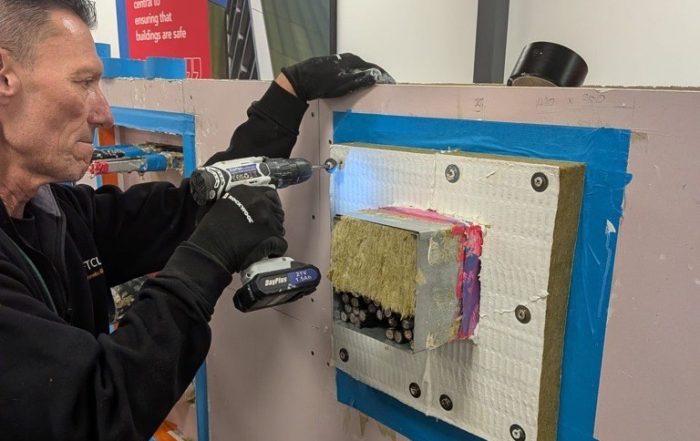
Fire dampers play an essential role in building safety and passive fire protection. Fire dampers buy valuable time for evacuation in an event of a fire, helping to prevent the spread of fire through ductwork. So, it’s essential to have your fire dampers inspected regularly to ensure that they are able to work effectively in the event of a fire. When fire damper defects are identified, you may be wondering how quickly you have to complete fire damper repairs.
In this blog, we’ll explain common fire damper defects, when fire damper remedial works should take place, and retesting after repairs have been completed.
Quick answer: There is no single legal deadline that applies to every fire damper defect. The Responsible Person should assess the risk, take appropriate action promptly and ensure that high-risk faults are repaired as soon as possible. Defects should then be retested and recorded.
Common Fire Damper Defects
Fire damper defects seriously impact the ability of the fire damper to work effectively, and in turn cause a major safety risk in your building. Therefore, annual testing of fire dampers is essential to ensure compliance with DW145 and BS 9999: 2017.
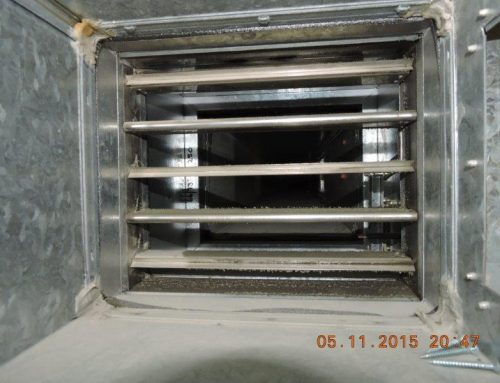
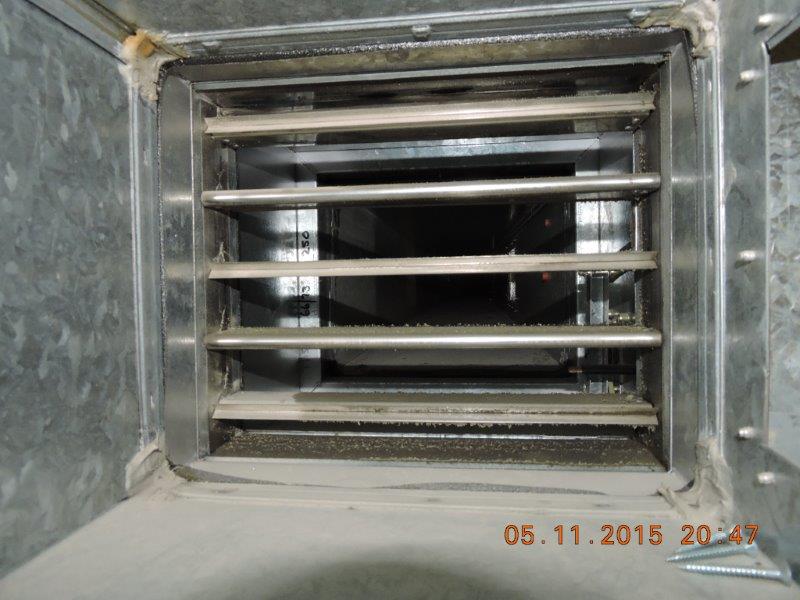
Common fire damper defects include:
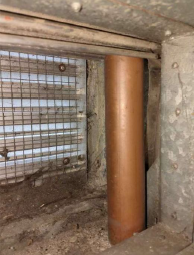
- Incorrect installation affecting performance.
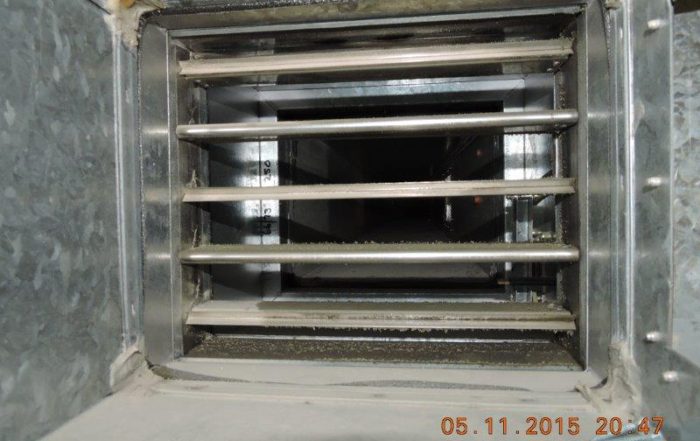
- Blockages caused by debris, such as the buildup of grease or dust.
- Corrosion of key components, such as hinges and springs.
- Lack of access to the fire dampers, requiring access panel installation.
- Painted over or seized blades that cannot close properly.
- Missing or damaged fusible links and retaining mechanisms.
Swift Fire Compliance Tip
If your fire dampers are located in a high-dust, high-grease or high-corrosion environment, consider whether annual testing remains suitable. More frequent inspections may help identify contamination or deterioration before it prevents the dampers from closing.
Timescales for Remedial Works
Defects discovered during fire damper testing should be an immediate cause for concern. However, there is no legal timeframe to specify precisely when repairs should take place. Instead, the Responsible Person is duty-bound to arrange remedial work promptly once a defect has been identified.
- High risk defects (for example, dampers that cannot close, are blocked or have missing components) should be treated as urgent and repaired as soon as possible.
- Medium risk defects (for example, minor corrosion or access issues) should be scheduled for repair within an agreed timeframe, with temporary control measures put in place if needed.
- Low risk defects (for example, minor labelling or documentation issues) can be planned into routine maintenance, but should still be closed out promptly.
Your fire damper inspector can discuss the risk level of each defect in their report, along with recommended actions. This helps you prioritise works and demonstrate that you are managing fire safety proactively.
Retesting After Repairs
After remediation work has been carried out, retesting should take place to ensure that the fire dampers are now compliant. Fire damper retesting should be carried out quickly after repairs are completed to ensure that the responsibilities of the Responsible Person are fulfilled and the building is compliant with the Regulatory Reform (Fire Safety) Order 2005.
Once the repairs are complete and retesting has taken place, documentation should be updated to reflect this as confirmation of compliance with legislation.
Understanding the Responsibilities of the Responsible Person
Ensuring that a building remains compliant with fire regulations is the responsibility of the Responsible Person. This is usually the building owner or, for a commercial building, the employer.
The Responsible Person must ensure that fire safety equipment is in good working order, that fire safety systems are maintained and tested by competent persons, and records of testing, inspection, and maintenance are retained.
Read our article on who is the responsible person
How Quickly Should Remedial Works Be Completed?
Defects discovered during fire damper testing should be treated as a cause for concern. However, there is no universal legal timeframe specifying exactly when every repair must be completed.
Instead, the Responsible Person must ensure that fire-safety equipment is maintained in efficient working order and good repair. Article 17 of the Regulatory Reform (Fire Safety) Order 2005 places this maintenance duty on the Responsible Person.legislation
Government guidance also states that defects should be repaired as soon as practicable and that any person carrying out testing or maintenance must be competent to do so.
How to Prioritise Fire Damper Repairs
Not all defects carry the same level of risk. A simple way to prioritise is to group findings into high, medium and low risk, then plan remedial works accordingly.
| Risk level | Example issues | Suggested action |
|---|---|---|
| High | Damper cannot close, blocked blades, missing components or severe corrosion. | Arrange urgent repairs and retest as soon as possible. Consider temporary control measures until the works are complete. |
| Medium | Limited access, minor corrosion, paint on blades or minor damage. | Schedule repairs within an agreed timeframe and review the issue during the next inspection. |
| Low | Missing labels, minor documentation gaps or minor housekeeping issues. | Plan the work into routine maintenance and close it out promptly. |
Important: Do not delay high-risk repairs
A fire damper that cannot close, is blocked or has missing operating components may not provide the intended protection. Seek specialist advice promptly and agree a documented action plan with the Responsible Person and relevant building teams.
Arrange Your Fire Damper Remedial Works Today
Failed fire dampers should always be dealt with as soon as possible. Choosing specialists with the knowledge and skills to complete the remedials to the highest standard is essential. This is where Swift Fire Compliance can help.
Do Your Fire Dampers Need Remedial Works?
Contact Swift Fire Compliance to discuss failed dampers, access issues, damaged components or a planned remedial works programme.
Call 0800 652 5734 Book Fire Damper RemedialsFire Damper Remedial Works FAQs
How quickly should fire damper repairs be completed?
There is no fixed legal timeframe, but the Responsible Person must act promptly once a defect is identified. High-risk defects should be treated as urgent and repaired as soon as possible. Medium and low-risk defects should be scheduled within an agreed timeframe and closed out without unnecessary delay.
What happens if fire damper defects are not repaired?
Unrepaired defects can increase the risk of fire and smoke spread, put building users at greater risk, and may lead to enforcement action if identified during inspections. Over time, small issues can also develop into larger, more costly problems.
Do I need to retest fire dampers after repairs?
Yes. After any remedial work, dampers should be retested to confirm they now operate correctly and meet current guidance. The results should be recorded and kept as part of your fire safety documentation.
Who is responsible for arranging fire damper repairs?
The Responsible Person, usually the building owner or employer, is responsible for ensuring fire safety equipment is maintained and that defects are addressed. They may delegate day-to-day tasks to facilities managers or contractors, but overall responsibility remains with the Responsible Person.
Can all fire damper defects be repaired?
Many defects can be repaired, such as cleaning, adjusting blades or replacing components. However, if a damper is severely corroded, damaged or no longer meets current standards, replacement may be the safer and more cost-effective option.
About the Author: Richard Crews