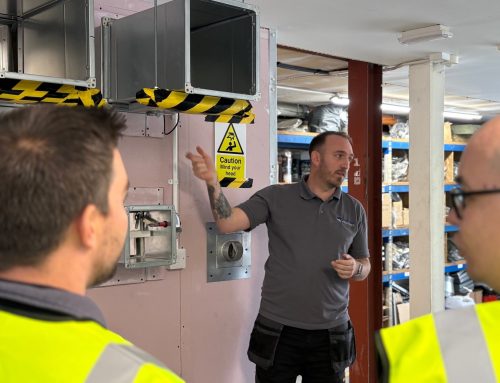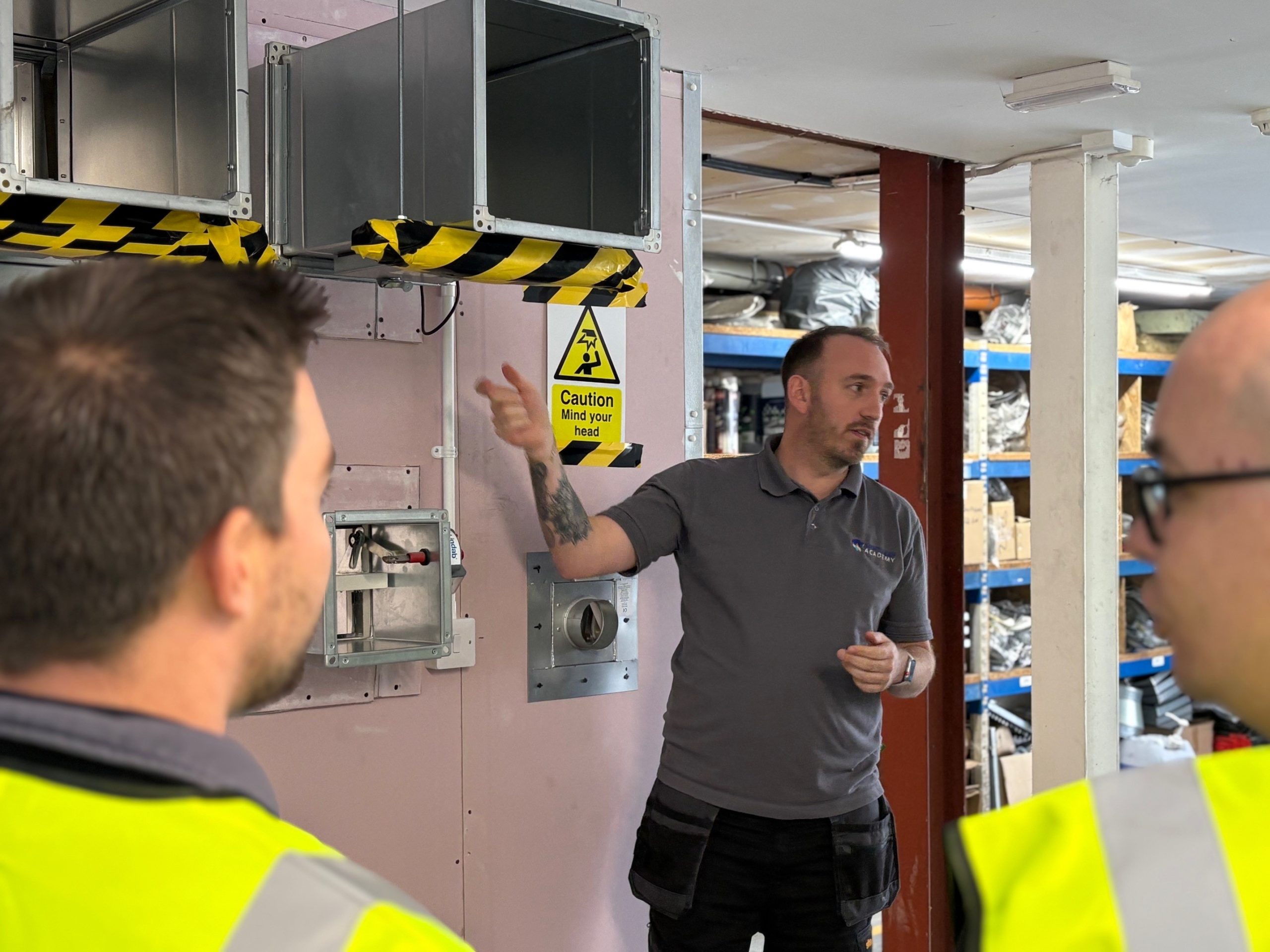
When the final ball has been bowled and the crowds have gone home, the work behind the scenes at a cricket ground continues. The quieter off-season provides an ideal opportunity to complete essential compliance work across pavilions, stands, hospitality suites, kitchens, changing rooms and offices – with far less disruption to fixtures, events and visitors.
Swiftclean can coordinate a range of air, water and fire compliance services during this quieter period, with particular support available for fire and smoke damper compliance.
Why Fire Dampers Matter at Cricket Grounds
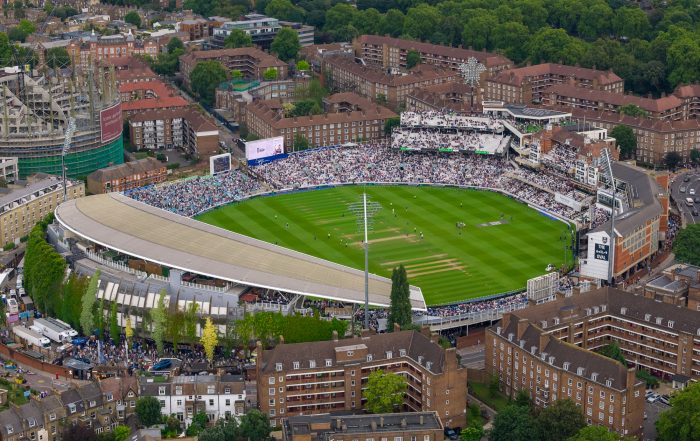
Cricket grounds can be complex estates, often combining older structures with newer stands, hospitality areas and refurbished facilities. Ventilation ductwork may pass through numerous fire-resisting walls and floors throughout these buildings.
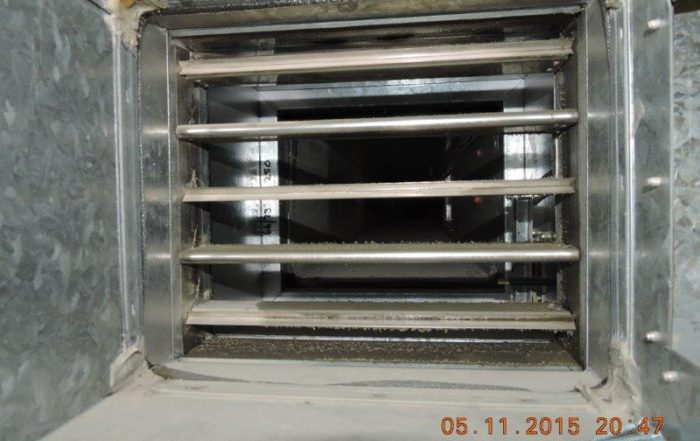
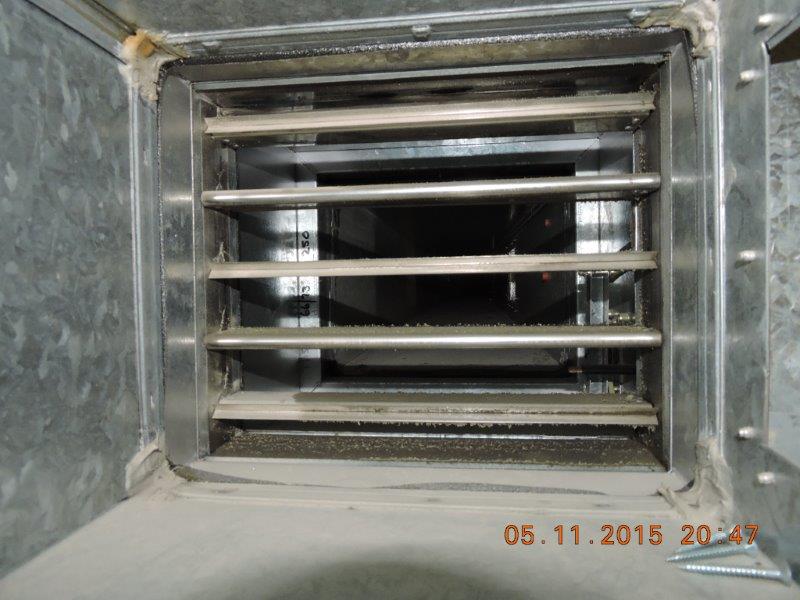
Fire and smoke dampers are installed within ductwork at these compartment boundaries. In the event of a fire, they are designed to close and help restrict the spread of flames and smoke. However, a damper may not perform as intended if it has been incorrectly installed, damaged, obstructed or poorly maintained.
Because dampers are usually hidden above ceilings or inside ductwork, problems can remain unnoticed without a suitable inspection and testing programme.
Fire dampers can become affected by:
- Damage to the damper or surrounding components
- Corrosion or deterioration
- Obstructions within the ductwork or damper assembly
- Debris and contamination
- Poor or inadequate access
- Problems with installation
- Issues with associated fire stopping
- Lack of inspection and maintenance
Because many fire dampers are concealed above ceilings or within ductwork, problems can remain unnoticed unless the assets are properly identified, accessed and tested.
Use the quieter months to access areas that become difficult to reach during the cricket season. This can include ceiling voids, service risers, kitchens, hospitality areas and plant rooms where fire safety and ventilation equipment may be located.
Understanding the Compliance Requirements
Regulatory Reform (Fire Safety) Order 2005
The Regulatory Reform (Fire Safety) Order 2005 applies to non-domestic premises in England and Wales. Article 17 requires relevant fire-safety facilities, equipment and devices to be subject to an appropriate maintenance system and kept in efficient working order and good repair. Responsibility rests with the building’s “responsible person”.
BS 9999:2017
BS 9999:2017 is not legislation, but a recognised British Standard providing recommendations for fire safety in the design, management and use of buildings. It supports the ongoing management of fire precautions throughout a building’s life.
BESA DW145
BESA’s DW145 provides detailed industry guidance covering the design, selection, installation, inspection and maintenance of fire and smoke dampers. The updated guidance particularly emphasises competence, suitable access, asset referencing, photographic evidence and accurate records.
Together, these requirements and recommendations highlight why fire dampers should be properly identified, accessible, tested and supported by reliable compliance evidence.
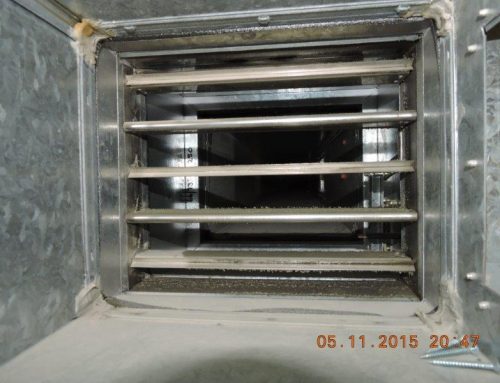
A testing programme should produce useful evidence, not simply a date in a calendar. Keep records showing which dampers were inspected, the results of testing, defects identified, photographs where appropriate and any remedial action required.
Why Choose a Specialist Compliance Provider?
Compliance work should be carried out by people with the appropriate knowledge, skills and experience for the task.
Swiftclean has more than 40 years of experience supporting organisations with specialist building compliance services.
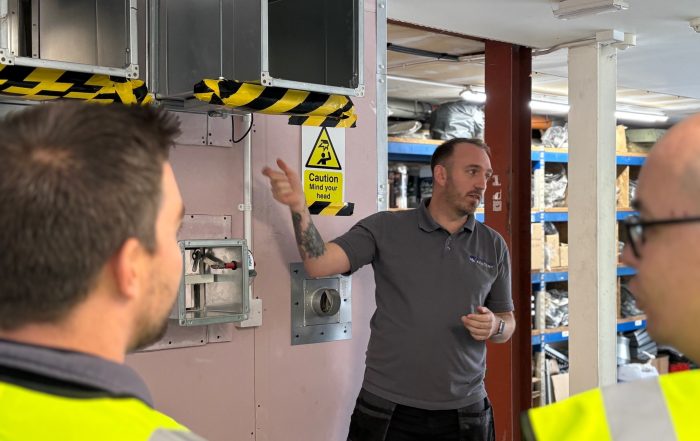
Swiftclean is also an accredited training centre delivering the BESA DW145 Fire Damper Inspection and Maintenance course through the Swiftclean Training Academy.
This commitment to training and technical competence supports our approach to maintaining specialist knowledge within the ventilation hygiene and fire damper sectors.
How Swiftclean Can Help
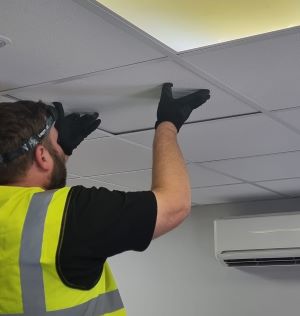
Our fire damper service can include:
- Locating and identifying fire and smoke dampers, including asset tagging
- Visual inspections and function testing
- Checking that each damper can close fully and reopen
- Identifying damaged, obstructed or inaccessible dampers, and providing recommendations to achieve compliance
- Highlighting apparent installation and fire-stopping concerns
- Installing access doors where suitable access is unavailable
- Completing necessary remedial works
- Retesting dampers following repairs
- Providing detailed reports with photographic evidence
A clear post-visit compliance report gives facilities teams visibility of the assets inspected, their condition, the results of testing and any further action required. This helps cricket grounds maintain an accurate compliance record and prioritise remedial work.
Swiftclean is also an accredited training centre delivering the BESA DW145 Fire Damper Inspection and Maintenance course, reinforcing our commitment to technical competence and current industry good practice.
Bring Other Compliance Services into Your Off-Season Programme
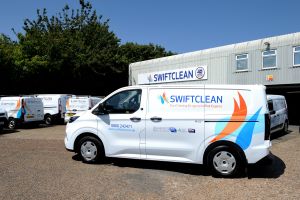
Fire damper work can be coordinated with Swiftclean’s other specialist services, including:
- TR19 Grease kitchen extract cleaning
- TR19 Air ventilation ductwork cleaning
- Legionella risk assessments, monitoring and water hygiene services
- LEV examination, testing and cleaning
Combining several services into one planned programme can reduce the number of contractors and visits you need to manage. Swiftclean offers nationwide coverage, flexible scheduling, clear reporting and the option of a packaged compliance service with one dedicated point of contact.
Coordinating multiple planned services during the quieter period can make it easier to manage access, contractor visits, documentation and remedial work across your site.
If testing identifies remedial work, allow enough time to investigate, obtain quotations, complete the work and retest where appropriate. Leaving remedial action until the season is underway can make access and scheduling more difficult.
Get Ahead Before the New Season
Once fixtures, hospitality bookings and events return, gaining access to key areas can become much more difficult. Planning work during the off-season gives your team time to inspect critical systems, complete remedial actions and address gaps in your compliance records before the ground becomes busy again.
To discuss fire damper testing or arrange a wider compliance review for your cricket ground, contact the Swiftclean team today.
Make the Most of Your Cricket Ground’s Off-Season
Need to arrange fire damper testing or coordinate wider compliance work before the new season? Speak to the Swiftclean team about your requirements.
Contact Swiftclean Call 0800 243 471Cricket Ground Fire Safety FAQs
How often should fire dampers be tested?
The appropriate inspection and maintenance arrangements depend on the building, its fire safety strategy, the damper installation and relevant guidance. A suitable programme should be established by those responsible for the building, taking account of applicable standards and industry guidance.
Why should cricket grounds test fire dampers?
Cricket grounds can contain extensive ventilation systems running through different areas and fire compartments. Testing helps identify issues such as inaccessible, obstructed, damaged or poorly functioning dampers so that appropriate action can be considered.
What happens if a fire damper fails a test?
The issue should be recorded and investigated to establish the appropriate remedial action. Depending on the defect, this could involve cleaning, repair, improving access, replacement or addressing installation concerns. Where remedial work is completed, retesting can confirm the outcome.
Can fire damper testing be completed during the cricket off-season?
Yes. The off-season can provide a practical opportunity to arrange inspections, testing and remedial works when some areas of a cricket ground are quieter and easier to access. Scheduling will depend on the individual site and its operational requirements.
Can other compliance work be completed at the same time?
Potentially. Cricket grounds may have ventilation, kitchen extract, water hygiene and LEV requirements alongside fire damper responsibilities. Coordinating planned services can reduce the number of separate contractor visits and make access easier to manage.
Why is documentation important for fire damper testing?
Clear records provide facilities teams with evidence of what was inspected and the outcome. Useful documentation can include asset references, test results, defects, photographs and details of recommended or completed remedial work.
About the Author: Abbey Maxwell