Effective fire compartmentation helps limit the spread of fire and smoke between areas of a building. Compartment walls and compartment floors create fire-resistant barriers, which can support evacuations and help protect adjoining spaces.
But compartmentation isn’t a one-time job. It needs attention throughout a building’s life. New cables, replacement pipes and even refurbishment can compromise barriers that were once sound.
This blog explains the requirements for fire compartmentation to help you identify potential issues and any work that may be required to maintain fire safety.
Key Takeaway
Fire compartmentation is only effective when the barriers, openings, seals, doors and dampers work together. Building work and new services can affect that performance, so it should be reviewed as part of ongoing fire safety maintenance.
What Does Effective Fire Compartmentation Involve?
Effective compartmentation in buildings relies on several elements working together, including:
- Fire-resisting construction. Walls, floors and their junctions need the specified fire performance and continuity.
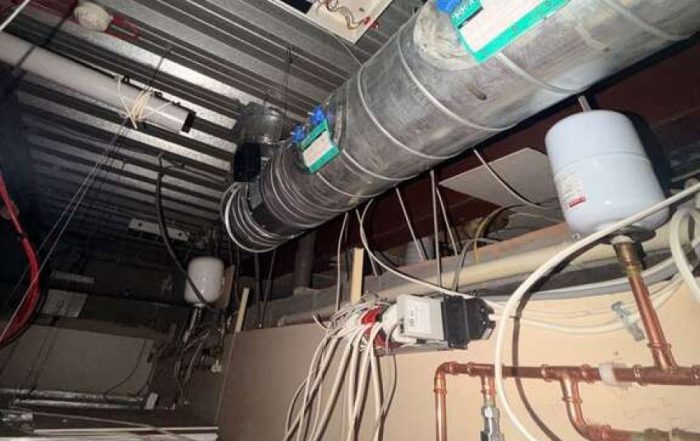
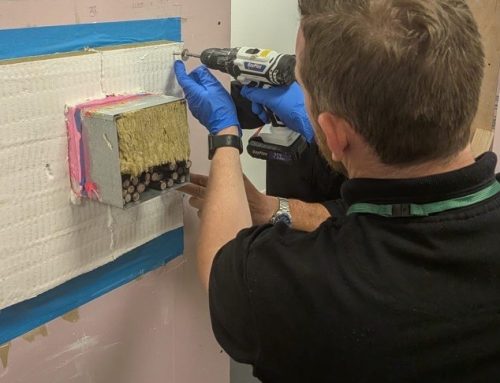
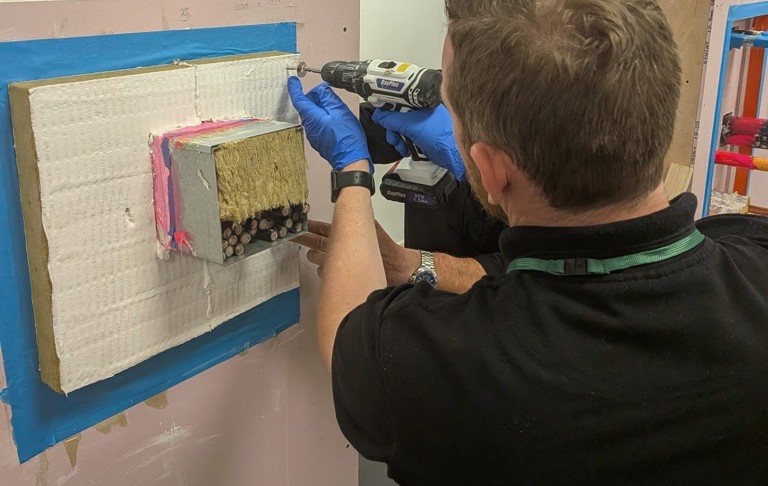
- Protected service penetrations. Openings for pipes, cables and ductwork need suitable protection.
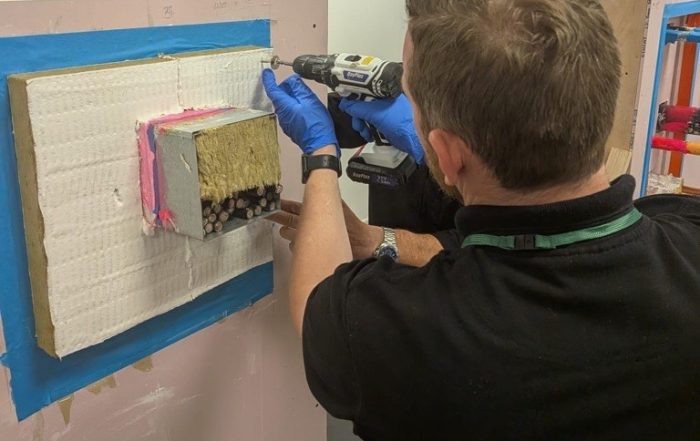
- Appropriate fire stopping. Seals must suit the services, surrounding construction and required performance.
- Fire doors and other openings. Doors, frames, glazing and other associated components must provide the specified protection.
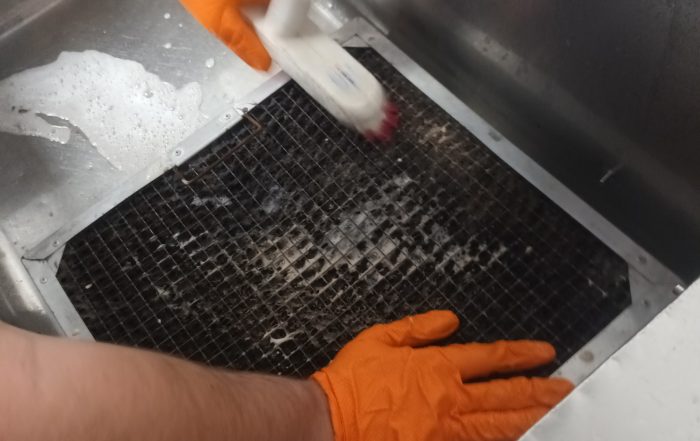
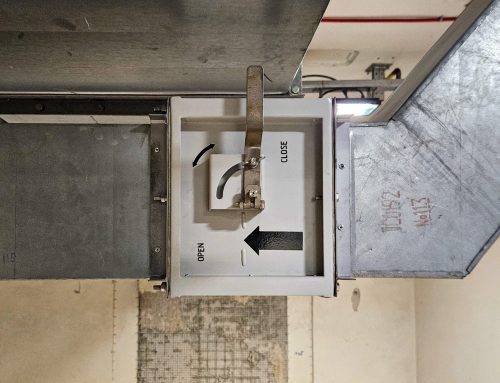
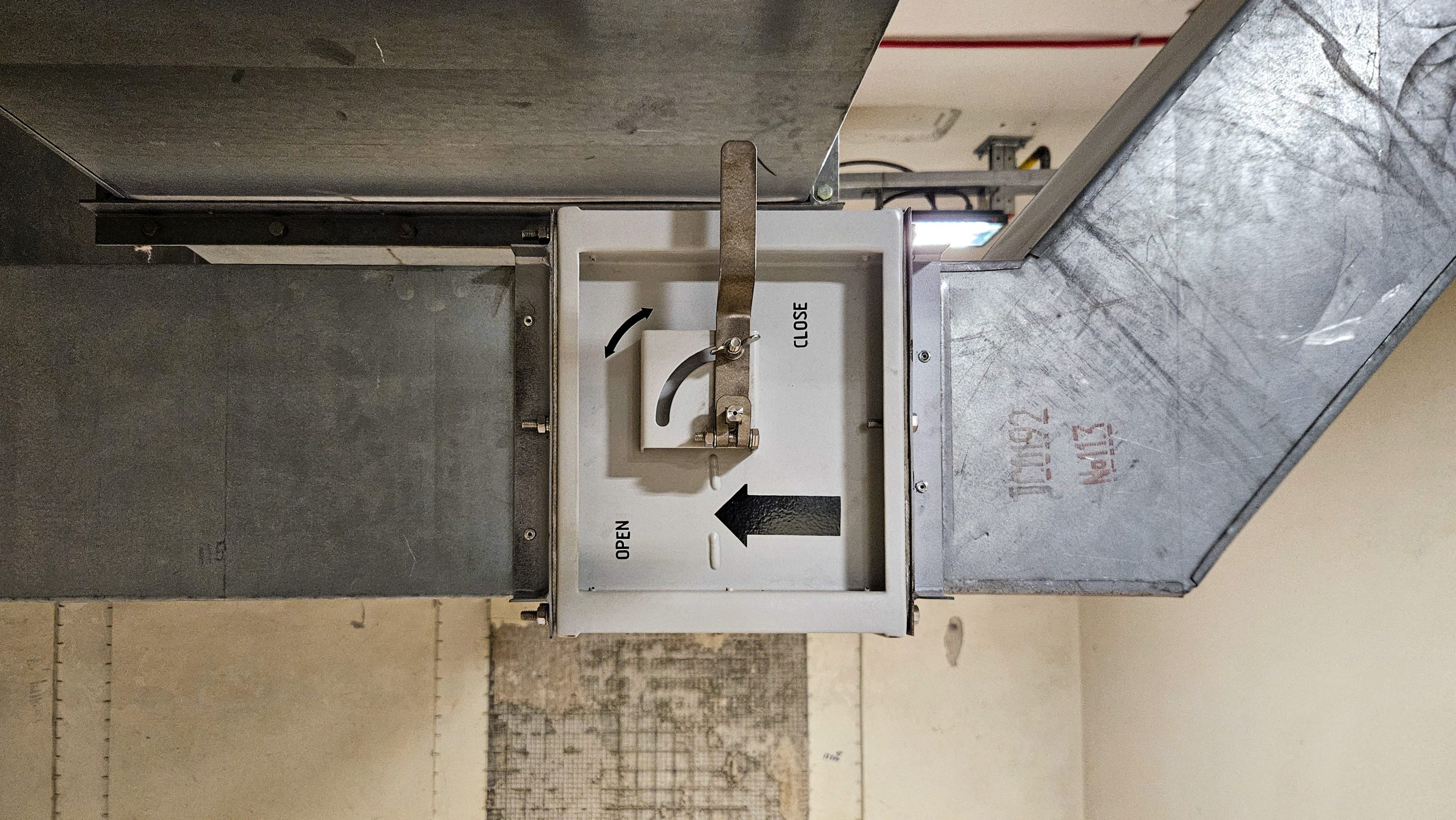
- Fire dampers. Where required by the ventilation design and fire strategy, dampers protect duct openings through fire-resisting construction.
All of these elements make up passive fire protection. A defect in one can weaken the protection provided by the entire barrier.
Not sure whether your compartmentation is still effective? Speak to Swift Fire Compliance about an inspection.
Speak to Our Specialists – 0800 243 471Is Fire Compartmentation the Same as Fire Stopping?
No, fire compartmentation is the overall way in which buildings are split into fire-resisting areas. Fire stopping helps maintain those barriers by protecting their joints and penetrations.
Fire stopping requirements can vary according to each application. Simply filling an opening with a ‘fire-rated’ product doesn’t confirm that the seal is suitable.
Swift Fire Tip: A fire-stopping product is only suitable if it matches the wall or floor construction, the services passing through it and the required fire performance.
Which Rules and Guidance Apply?
Fire Fire compartmentation requirements vary across the UK and depend on the building type, use and applicable fire strategy.
In England, Approved Document B provides statutory guidance on fire safety matters within and around buildings. In Scotland, the Building Standards Technical Handbooks provide guidance for achieving the standards set under the Building (Scotland) Regulations 2004.
In Wales and Northern Ireland, different building standards and fire safety legislation apply. Building owners and duty holders should also consider fire safety obligations that apply once a building is occupied, including the need to maintain relevant fire safety measures.
Common Fire Compartmentation Problems
| Problem | Potential impact | How to resolve |
|---|---|---|
| Unsealed service openings | Fire and smoke may bypass compartment barriers | Assess the opening and install a suitable penetration seal |
| Damaged walls or floors | Reduced fire resistance | Assess the damage and carry out appropriate repairs |
| Defective fire doors | Openings may not provide the intended protection | Check closure, gaps, seals and associated components |
| Unsuitable damper installation | Duct openings may not be protected | Review the specification, installation and operation |
| New services through existing seals | Previously tested arrangements may be compromised | Review the opening and reinstate suitable protection |
Who Is Responsible for Fire Compartmentation?
Responsibility depends on the building and the person’s role. Building owners, landlords, managing agents, employers and other duty holders may all have responsibilities for ensuring relevant fire safety measures are maintained.
In England, the Regulatory Reform (Fire Safety) Order 2005 places duties on the responsible person, including carrying out a fire risk assessment, making fire safety arrangements and maintaining relevant facilities and equipment.
If you are unsure who holds responsibility in your building, seek advice from the building owner, managing agent or a competent fire safety professional.
When Should Fire Compartmentation Be Reviewed?
Fire compartmentation should be reviewed as part of your building’s ongoing fire safety arrangements. A survey may be particularly useful after building works, service installations, refurbishment, damage, a change of use or where records are unclear.
Regular reviews can help identify defects early, but the appropriate frequency will depend on the building, its use, its fire strategy and the findings of previous inspections.
What Should You Check?
Regular checks can help you identify changes that may affect your building’s fire compartmentation. If you identify a concern, it should be assessed and addressed by a competent person.
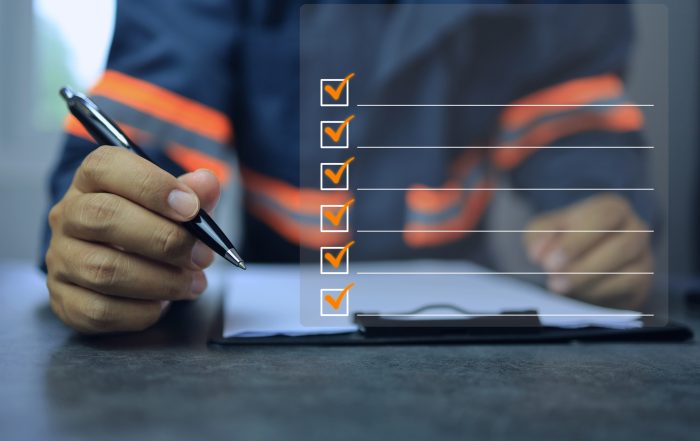
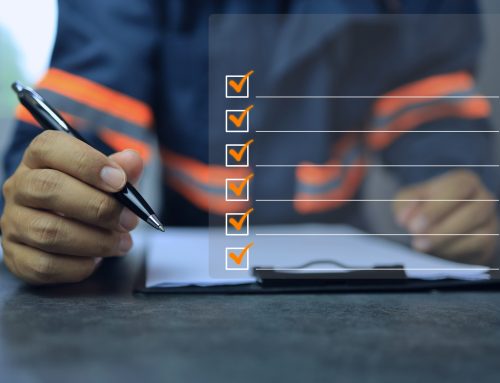
Use the checklist below as a starting point, but remember that concealed areas and more complex systems may require a professional survey.
What to check
- Are service openings protected with suitable fire stopping?
- Are compartment walls and floors continuous and undamaged?
- Do fire doors close fully and have appropriate seals and gaps?
- Are fire dampers installed and operating as intended?
- Have new services or building works affected existing barriers?
Fire compartmentation FAQs
What is fire compartmentation?
Fire compartmentation divides buildings into fire-resisting areas to help restrict the spread of fire and smoke.
What are the requirements for fire compartmentation?
These depend on the building and the applicable rules associated with it, including barrier performance, protected openings and maintenance.
Where is fire compartmentation required?
The location is dependent on the fire strategy, building layout, use and relevant requirements.
How is fire compartmentation inspected?
A fire compartmentation survey will check accessible barriers, openings and seals against relevant drawings and specifications. Concealed areas may need further investigation. Inspection records should include defects, locations, photographs, inspection limitation and completed repairs.
Arrange professional support with Swift Fire Compliance
Contact Swift Fire Compliance to discuss fire compartmentation inspection, fire stopping and remedial support for your building and let us help you take practical steps towards fire safety compliance.
Need Support with Fire Compartmentation?
Speak to Swift Fire Compliance about compartmentation surveys, fire stopping and remedial support for your building.
Book Fire Compartmentation Survey Speak to Our Team – 0800 243 471About the Author: Richard Crews