Fire safety in UK buildings is not simply a box-ticking exercise; it is a fundamental duty of care.
Fire dampers play a vital role in preventing the spread of fire and smoke through ventilation ductwork. In many commercial buildings, fire and smoke dampers are also installed to control the movement of smoke, helping to protect escape routes and maintain safe evacuation conditions. Despite their importance, these life safety devices are frequently out of sight and out of mind until something goes wrong.
This raises an important compliance question: Who is responsible for fire damper testing? Understanding accountability under UK legislation is essential for ensuring that proper fire damper testing UK standards are met. In this article, we clarify fire damper testing responsibilities, explain the relevant legal framework, and outline best practice for ongoing fire damper inspection and testing.
What Is Fire Damper Testing and Why Does It Matter?
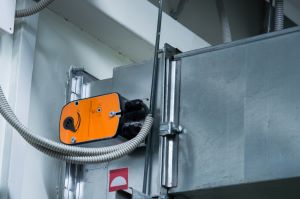
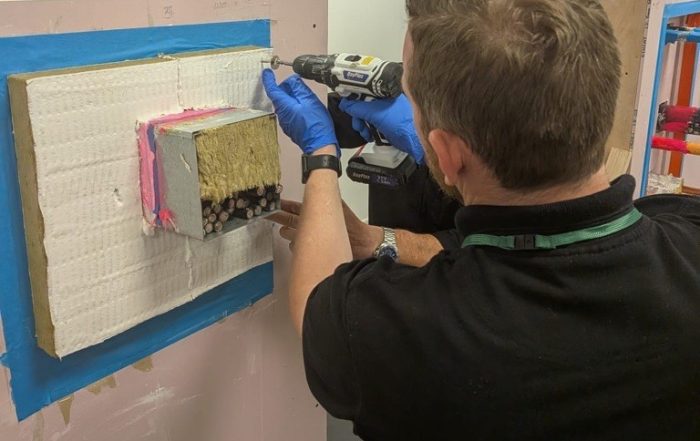
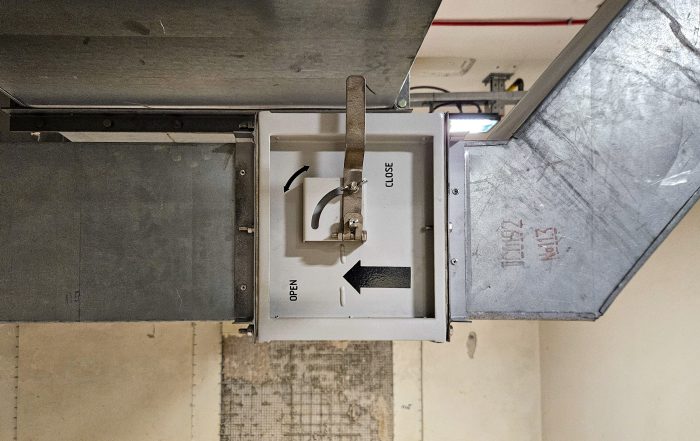
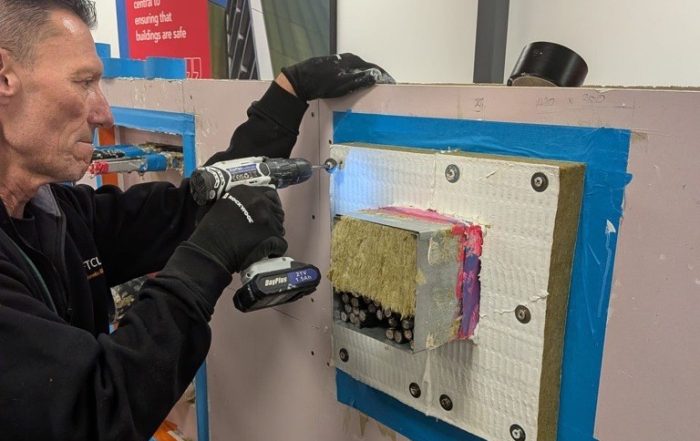
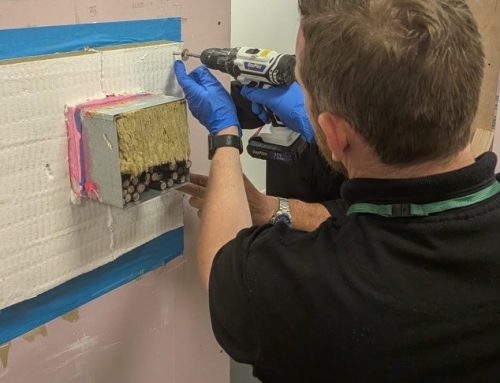
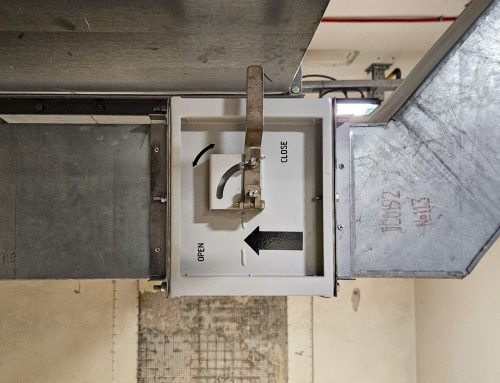
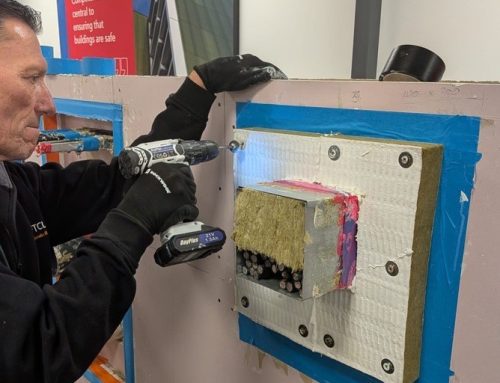
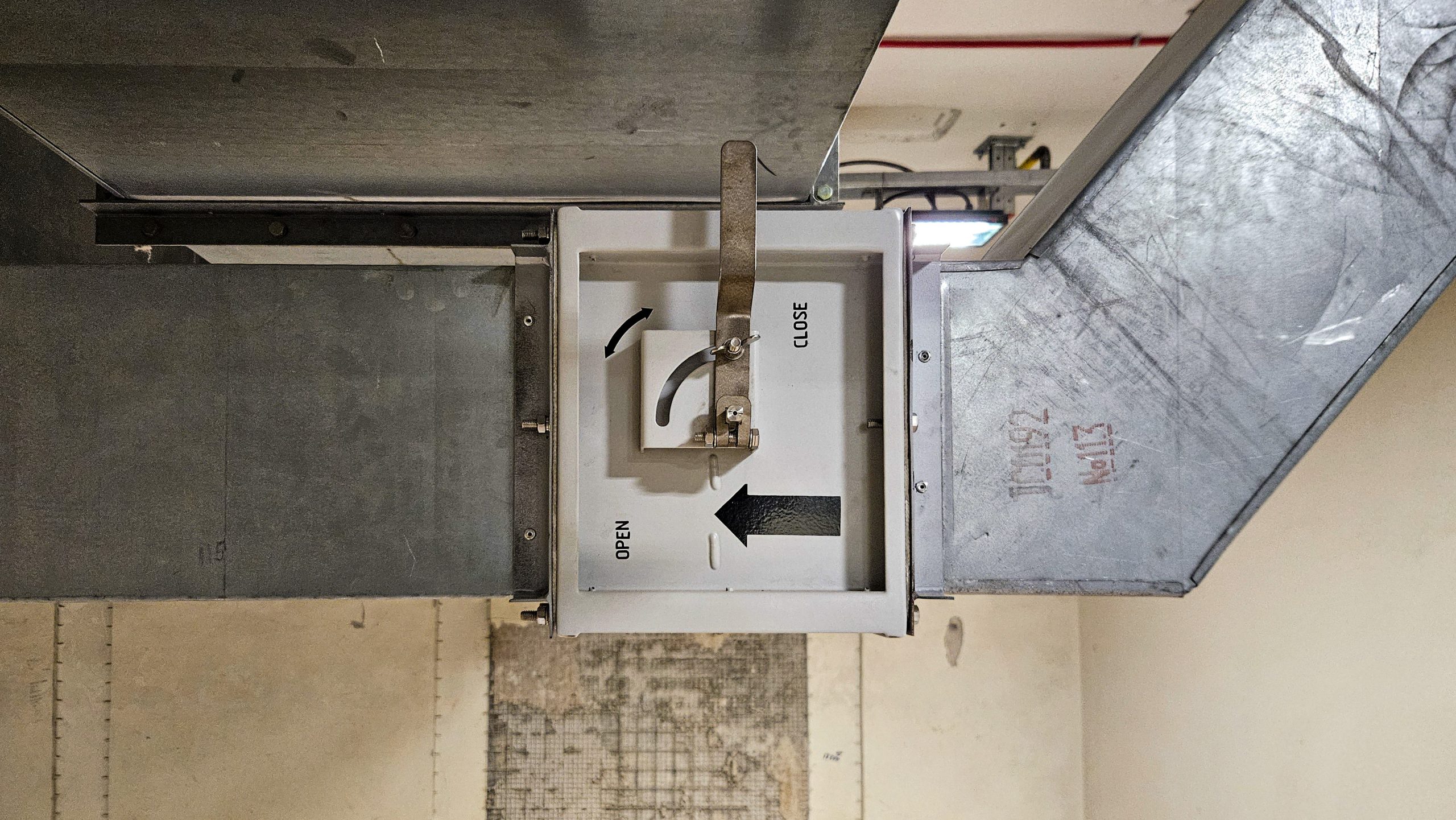
Fire dampers are mechanical safety devices installed within HVAC ducting at points where ducts pass-through fire-resistant walls, floors, or partitions. Their purpose is simple but critical: in the event of a fire, they close automatically to maintain compartmentation and slow the spread of fire and smoke.
Effective fire damper testing ensures that dampers:
- Are correctly installed within fire-resisting structures
- Remain accessible for maintenance
- Operate and close fully when activated
- Are free from obstruction, corrosion, or mechanical failure
If dampers fail during a fire, compartmentation is breached, significantly increasing risk to occupants and first responders. Routine fire damper inspection and testing is, therefore, both a life safety measure and a compliance obligation.
What Is the Difference Between Fire Dampers and Fire & Smoke Dampers?
Many people use the terms fire damper and fire and smoke damper interchangeably, but they perform slightly different functions.
A fire damper is designed to close automatically when high temperatures are detected, helping maintain fire compartmentation by preventing flames from travelling through ductwork.
A fire and smoke damper provides the same fire protection but also restricts the movement of smoke throughout the ventilation system. Smoke inhalation remains one of the greatest risks during a fire, making smoke control an important part of many modern fire safety strategies.
Regardless of which type of damper is installed, both require regular inspection, testing and maintenance to ensure they operate correctly when needed.
UK Fire Safety Law Requirements
Responsibility for fire damper testing UK requirements sits within broader fire safety legislation. The primary legislation governing non-domestic premises in England and Wales is the Regulatory Reform (Fire Safety) Order 2005. Similar regulations apply in Scotland and Northern Ireland.
Under this legislation, the “Responsible Person” must ensure that fire safety systems are appropriately maintained. This duty includes ensuring that fire dampers are inspected and tested in line with recognised standards such as BS 9999 and guidance from bodies like BESA (Building Engineering Services Association).
The law requires that:
- Fire safety equipment is maintained in an efficient state, in efficient working order, and in good repair
- Maintenance and testing are carried out by competent persons
- Records of inspection and maintenance are retained
These responsibilities apply whether a building contains traditional fire dampers, fire and smoke dampers, or a combination of both. The Responsible Person should ensure every damper has been identified, included within an asset register, and incorporated into a planned inspection and maintenance programme.
Failure to comply can lead to enforcement notices, prosecution, substantial fines, and, in severe cases, imprisonment.
Who Holds Responsibility for Fire Damper Testing?
The key to understanding who is responsible for fire damper testing lies in defining the “Responsible Person.”
This typically includes:
- The employer, if the premises are a workplace
- The building owner or landlord
- The managing agent or facilities management company
- Any person with control over the premises
While certain duties can be contractually delegated to specialist contractors or managing agents, legal accountability cannot be fully transferred. Even where maintenance is outsourced, fire damper testing responsibilities remain with the Responsible Person under fire safety law. In multi-occupancy buildings, these obligations may be shared between landlords, managing agents, and tenants, making clear documentation and contractual clarity essential to prevent gaps in compliance. This applies equally to fire dampers and fire and smoke dampers installed throughout the premises.
Responsibility for fire damper testing cannot be transferred simply because maintenance has been outsourced. The Responsible Person remains legally accountable for ensuring inspections are completed and documented.
Maintenance, Testing Frequency and the Role of Competent Contractors
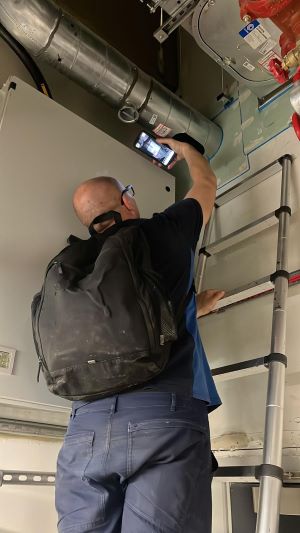
In practice, Responsible Persons often appoint specialist contractors to carry out fire damper testing. While accountability remains with the duty holder, engaging competent professionals is essential to ensure compliance with recognised industry guidance and best practice standards.
Qualified providers will conduct fire damper inspection and testing in accordance with BESA guidance and relevant British Standards. In most commercial buildings, annual inspection is recommended, although higher-risk environments such as hospitals and care facilities may require more frequent testing.
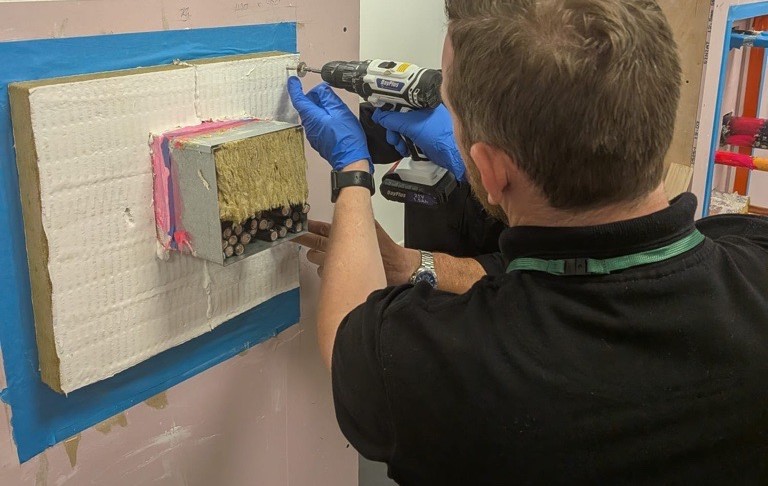
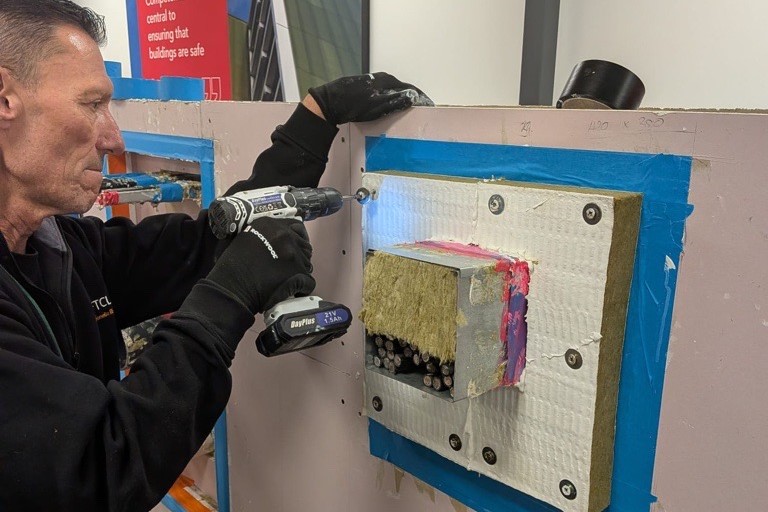
A professional fire damper inspection and testing programme typically includes:
- Locating and uniquely identifying each damper
- Physically testing and resetting the unit to confirm correct operation
- Cleaning and minor remediation where required
- Providing detailed reports, including photographic evidence and records of access limitations
Testing frequency should always be risk-based. While annual inspections form the baseline for most premises, factors such as building use, occupancy vulnerability, system complexity, and manufacturer instructions may justify shorter intervals.
Professional contractors should also provide:
- A complete asset register identifying every damper
- Before and after photographic evidence
- Details of any inaccessible dampers
- Recommendations for remedial works where defects are identified
- Comprehensive inspection reports that support compliance and future maintenance planning
These records provide valuable evidence during fire risk assessments, insurance inspections and regulatory audits, while helping Responsible Persons demonstrate that suitable maintenance arrangements are in place.
Importantly, maintenance should never be reactive. A documented, scheduled inspection regime supports compliance with all fire damper testing UK obligations, reduces liability, and demonstrates due diligence. Engaging accredited and experienced contractors further strengthens this position, particularly if scrutiny from fire authorities or insurers arises.
Do Fire & Smoke Dampers Need Different Testing?
Although fire dampers and fire and smoke dampers have different operating characteristics, both require routine inspection by competent persons.
Testing generally involves:
- locating every damper
- confirming it remains accessible
- checking the blade operates correctly
- inspecting for corrosion or damage
- resetting the damper
- recording the inspection
Fire and smoke dampers may also require additional functional checks depending on their design, actuator type and manufacturer’s instructions. Always follow the relevant British Standards and manufacturer guidance when determining testing procedures.
BS 9999 recommends that fire dampers are tested every 12 months in most commercial buildings, with more frequent inspections in hospitals and other higher-risk environments.
Protecting Lives Through Proper Fire Damper Compliance

Understanding who is responsible for fire damper testing is not simply about compliance; it is about safeguarding lives. UK fire safety legislation places clear accountability on the Responsible Person, making it essential that fire damper testing responsibilities are properly assigned, documented, and fulfilled.
Regular, competent fire damper inspection and testing form a critical part of a building’s overall fire safety strategy. By staying proactive and working with qualified specialists, Responsible Persons can demonstrate compliance, reduce risk, and ensure that this often-unseen safety system performs when it matters most.
Compliance Reminder
Annual fire damper testing is only one part of compliance. Any faults identified during testing should be addressed promptly, with remedial works recorded and retained alongside inspection reports.
Ensure Your Fire Damper Compliance Is Up to Date
If you are unsure whether your building meets the required fire damper testing or fire and smoke damper testing UK standards, it is important to act sooner rather than later. Working with experienced professionals helps ensure your systems are correctly inspected, documented, and maintained in line with current legislation and industry guidance.
The team at Swift Fire Compliance provides specialist fire and smoke damper inspection and testing services across the UK, helping Responsible Persons stay compliant and protect building occupants.
If you would like expert advice or need to arrange an inspection, get in touch with their team today. You can also use their compliance checker to quickly review whether your current fire damper testing programme meets the necessary legal and safety requirements.
Need Professional Fire Damper Testing?
Swift Fire Compliance provides nationwide fire damper inspections, testing, reporting and remedial works to help Responsible Persons meet their legal obligations and keep buildings safe.
Book an Inspection Call 0800 243 471Fire & Smoke Damper Testing UK FAQs
Failing to maintain fire dampers can lead to serious safety risks, including the spread of fire and smoke through ventilation systems. It can also result in enforcement action under fire safety legislation, including fines, enforcement notices, or prosecution.
In most commercial buildings, fire dampers should be inspected and tested at least once every 12 months in line with industry guidance such as BS 9999 and BESA recommendations. Higher-risk environments, such as hospitals or care homes, may require more frequent inspections.
While specialist contractors can be appointed to carry out fire & smoke damper inspection and testing, the legal responsibility remains with the Responsible Person. This means building owners, employers, or managing agents must ensure testing is carried out and properly documented.
About the Author: Richard Crews