Facilities and property managers in care homes carry a unique level of responsibility. Unlike many other sectors, the people you are protecting are often elderly, vulnerable, or immobile, making evacuation during a fire significantly more challenging. For this reason, fire safety compliance is not just a legal obligation, it’s a critical duty of care.
Fire risk assessments must be robust, regularly reviewed, and fully aligned with current legislation and guidance. In this first part of our care home compliance series, we focus on three high‑risk areas:
- Laundry extract cleaning
- Kitchen extract fire safety cleaning
- Fire and smoke damper testing
Each of these plays a vital role in preventing fire ignition and slowing fire and smoke spread should the worst happen.
Why Fire Safety Is Especially Critical in Care Homes
Residents in care homes are far less likely to evacuate quickly without assistance. Even a small fire can escalate rapidly if smoke spreads through ductwork or if extraction systems are clogged with combustible deposits, such as textile fluff or dust.
Under the Regulatory Reform (Fire Safety) Order 2005, care home operators and duty holders must take “general fire precautions” to ensure the safety of residents, staff, and visitors. This responsibility is further reinforced by the Building Safety Act 2022, which has sharpened expectations around building management and accountability.
Mechanical ventilation systems are a key part of this picture – and when neglected, they can turn into hidden fire accelerants.
Laundry Extract Cleaning – The Overlooked Fire Risk
Many care homes run in‑house laundries to manage bedding, clothing, and infection control requirements efficiently. While essential, commercial laundry extract systems present a serious fire risk if they are not maintained correctly.
Why laundry extract systems are dangerous when neglected
Lint, textile fibres, oils, and detergent residues collect within laundry ductwork over time. These deposits are highly flammable and can ignite due to:
- Overheating
- Mechanical friction
- Electrical faults
- Restricted airflow caused by blockages
Once ignited, fire can travel unseen through extract ducting, spreading rapidly to other parts of the building.
Compliance and cleaning requirements
Laundry extract systems must form part of the care home’s fire risk assessment and are covered by the Regulatory Reform (Fire Safety) Order 2005.
The primary industry guidance document is TR19® Air, published by the Building and Engineering Services Association (BESA). Under TR19 Air, laundry extract systems are typically classified as ‘medium risk’, meaning they require regular professional cleaning.
Cleaning frequency depends on:
- Volume of laundry processed
- Hours of operation
- Types of textiles and soiling levels
Which for care homes can be quite extensive. Facilities managers should work with competent contractors to establish optimum cleaning intervals that keep the system compliant and safe.
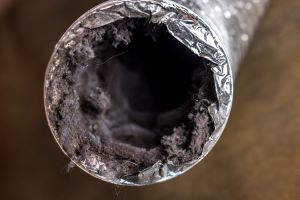
Lint build‑up inside ducts, fans, and machinery is extremely combustible. Electrical issues and mechanical faults further increase the danger.
To reduce the risk, you should maintain equipment, clean lint traps after every use, inspect exhaust vents regularly and chedule professional TR19 Air‑compliant cleaning.
Ensure proper ventilation
Blocked ducts restrict airflow, leading to overheating. All extract ductwork should remain clear, correctly aligned, and constructed from fire‑rated materials where required.
Fire safety in laundry areas relies on routine maintenance, proper ventilation, trained staff, and professional inspections. Failure to comply can result in enforcement action, fines, reputational damage, and – most importantly – serious risk to life.
Kitchen Extract Fire Safety Cleaning – A Legal Necessity
Care home kitchens operate for long hours, catering for three plus meals every single day, 365 days a year, catering for a wide range of dietary needs. This high usage means grease accumulation is inevitable – and dangerous.
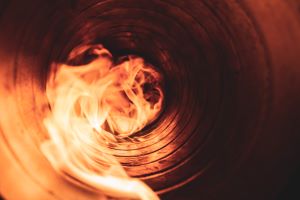
The build‑up of Fats, Oils, and Grease (FOG) collects inside canopies, filters, ductwork and extract fans.
FOG is highly combustible. If exposed to high temperatures or a naked flame, it can ignite and allow fire to spread rapidly through the extract system and into other parts of the building.
Grease fires are one of the most common and preventable causes of commercial kitchen fires in the UK.
Legal and regulatory requirements
Commercial kitchen extract systems must be maintained in accordance with the BESA TR19® Grease specification, which sets cleanliness standards and cleaning frequencies based on grease levels.
By law, facilities managers must manage and control this fire risk.
Why professional cleaning is essential
While some light, routine cleaning of canopy filters can be carried out in‑house, ductwork and fans require specialist access equipment, cleaning methods, and post‑clean verification.
Attempting a full clean without proper training often fails to meet the TR19 Grease specification; risks damage to components and can expose staff to hazards such as sharp metal edges and aggressive chemicals.
A certified TR19 Grease contractor will provide:
- Measured grease thickness readings
- Pre‑ and post‑clean reports
- A clear audit trail for fire safety officers and insurers
Fire and Smoke Damper Testing – Preventing Fire Spread
Fire and smoke dampers are often hidden from view, but they are one of the most important life‑safety features in a care home.
How do fire dampers protect residents?
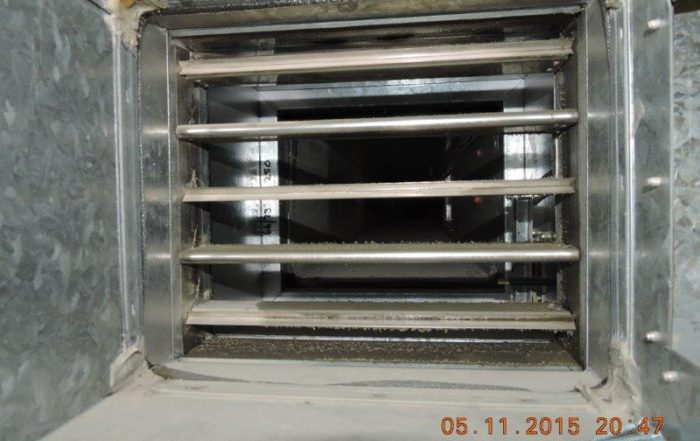
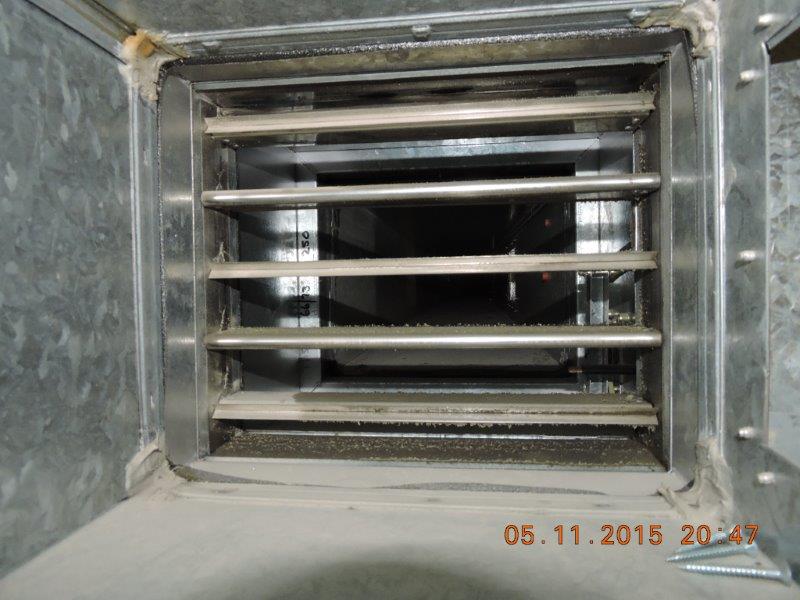
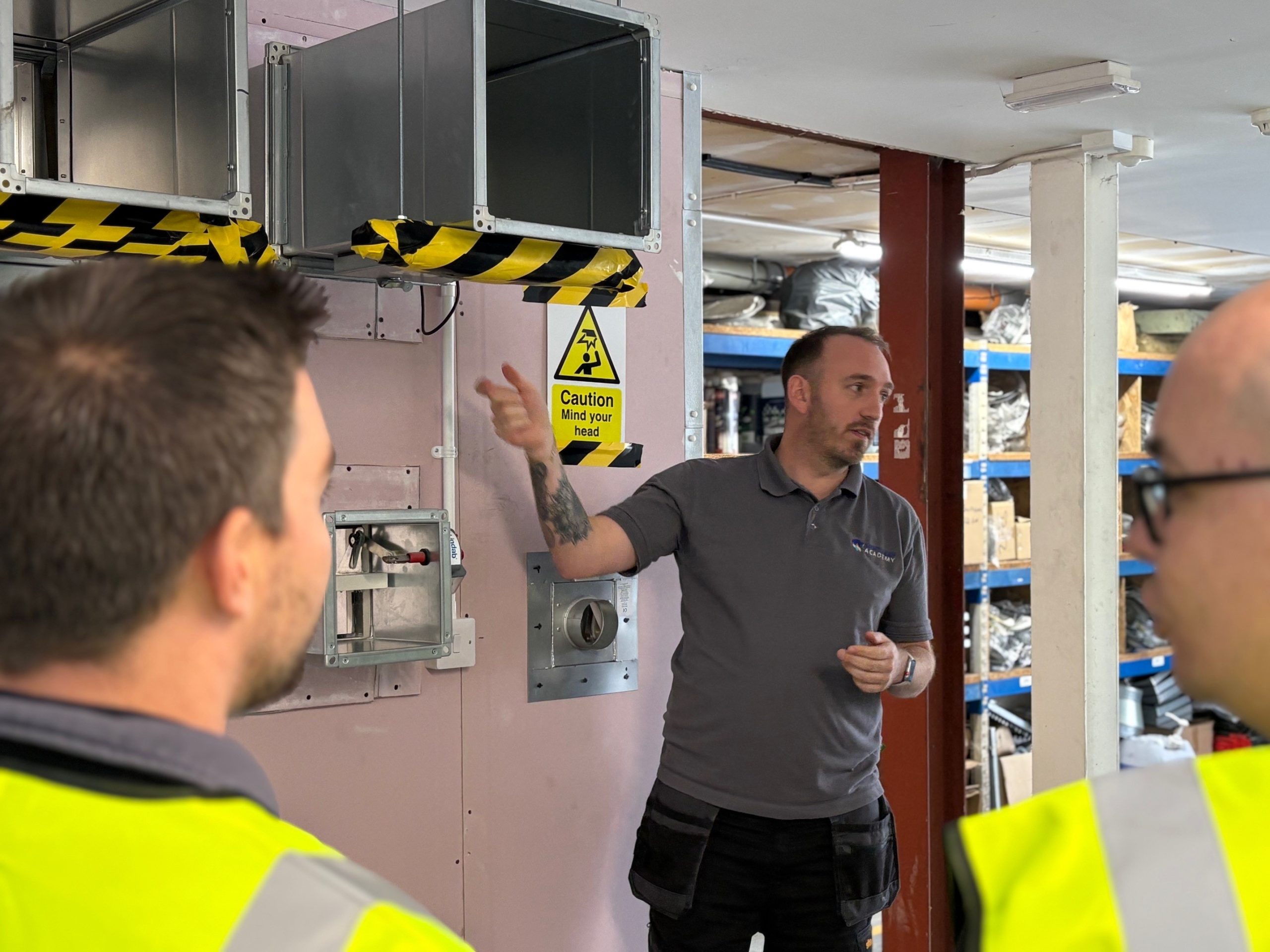
Fire & Smoke dampers are installed where ventilation ductwork passes through fire compartments. They typically consist of metal blades or louvres that automatically close when exposed to heat, preventing fire and smoke from spreading through the ventilation system.
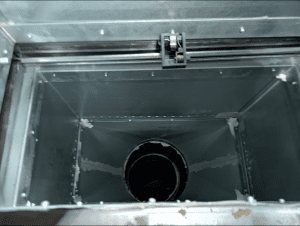
Without functioning dampers, fire and smoke can move rapidly through a building, leaving residents and staff with very little time to escape.
Unlike some countries, the UK does not allow long intervals between damper inspections. Under BS:9999:2017, annual testing of all types of fire damper is mandatory.
This is reinforced by the Regulatory Reform (Fire Safety) Order 2005 and the more recent Building Safety Act 2022.
Failure to test dampers annually is a common and serious compliance failure in care homes.
The importance of proper reporting
A competent contractor should provide the following in their post visit verification report:
- Clear identification of each damper
- Evidence of function testing and access
- Details of defects or non‑compliance
- Photographic records
- Actionable recommendations
This documentation is essential for demonstrating compliance to enforcing authorities and ensuring corrective actions are tracked.
Final Thoughts: Fire Safety Is About Prevention, Not Reaction
For facilities managers in care homes, fire safety is a constant, evolving responsibility, added to an ever growing list of responsibilities. Laundry extract systems, kitchen extract ductwork, and fire dampers are hidden risks that can easily be overlooked – yet they play a crucial role in preventing fire ignition and controlling its spread, and this is where Swiftclean can help.

By following the TR19 Air and TR19 Grease specifications; ensuring annual fire and smoke damper testing; working with competent, accredited contractors and keeping robust records and reports, you not only comply with the law, but you also protect the lives of residents, staff, and visitors.
Part 2 of this series will explore additional compliance risks and best practices for care home facilities managers on the topic of water hygiene.
Frequently Asked Questions (FAQs) for Care Home Owners & Operators
1. As an owner or operator, what am I legally responsible for when it comes to fire safety systems?
As a care home owner or operator, you are the Responsible Person under the Regulatory Reform (Fire Safety) Order 2005 unless this duty has been formally delegated in writing. This means you are ultimately accountable for ensuring that fire risks are properly assessed, controlled, and documented – even if day‑to‑day tasks are delegated to facilities or estates teams.
Failure to maintain systems such as kitchen and laundry extracts or fire dampers can result in enforcement action, prosecution, invalidated insurance, and serious reputational damage following an incident.
2. How can I be confident my care homes are compliant if I’m not on site day‑to‑day?
Confidence comes from assurance, not assumption. Owners and operators should ensure that:
- Fire risk assessments explicitly reference ventilation systems and dampers
- Specialist works follow recognised industry standards (TR19® Air, TR19® Grease, BS 9999)
- Contractors provide clear, professional reports with photographic evidence
- Any failures or defects are tracked through to completion
Regularly reviewing compliance reports at leadership or board level provides clear oversight and demonstrates due diligence to regulators, insurers, and safeguarding bodies.
3. What are the real business risks of falling behind on fire safety compliance?
Beyond the obvious risk to resident life, non‑compliance can have serious commercial consequences, including:
- Prohibition or enforcement notices from fire authorities
- Increased insurance premiums or refusal of cover
- Criminal liability for senior decision‑makers
- Loss of trust from families, commissioners, and local authorities
- Severe reputational damage following audits or incidents
For owners and operators, proactive investment in fire safety is not just a compliance issue – it is a core part of responsible governance and long‑term business resilience.
About the Author: Matt Saunders