Fire safety systems are often out of sight, but they should never be out of mind. One of the most important elements of passive fire protection within a building is the fire damper. These devices are designed to help slow down fire and smoke from spreading through ductwork, but like any safety feature, they need regular checks to ensure they will work when it matters most.
If you are responsible for a building, you may be wondering what actually happens during a fire damper inspection and what to expect from the process. This guide breaks it down in a clear and straightforward way.
Why Fire Damper Inspection Matters
A fire damper inspection is essential for ensuring that your building remains safe and compliant with UK fire safety regulations. Over time, dampers can become obstructed by dust and debris, suffer from corrosion, or simply fail due to wear and tear.
If a damper does not close properly during a fire, it can allow flames and smoke to travel through the ventilation system. This can compromise escape routes and increase the risk to occupants.
Regular inspections help identify these issues early, giving you the opportunity to address them before they become a serious problem.
Step 1: Locating and Accessing Dampers
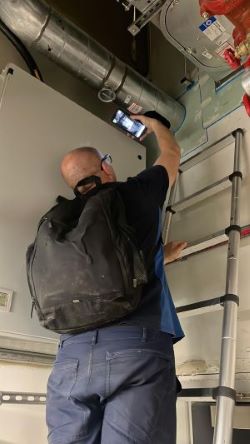
The first stage of any fire damper inspection process is identifying where all the dampers are within a building. In some cases, this can be straightforward, especially if clear records and drawings are available. In others, it may require a more detailed survey.
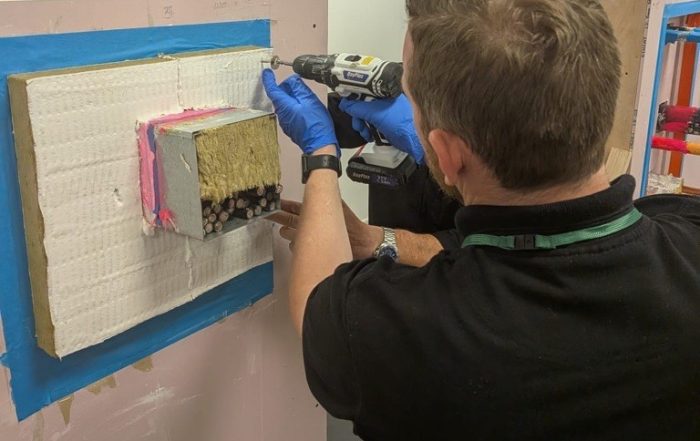
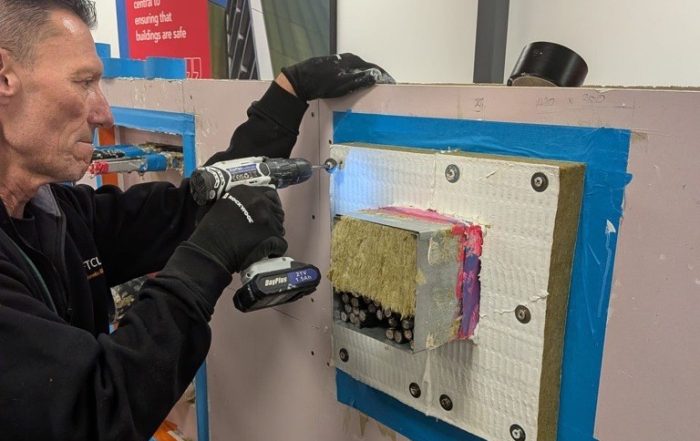
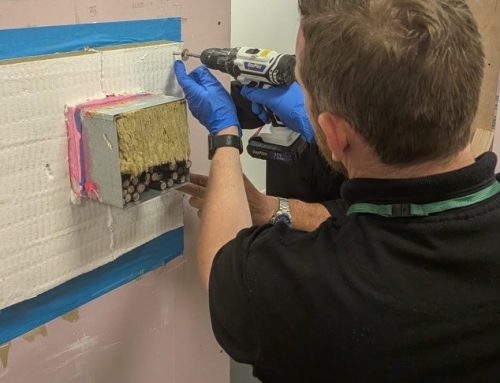
Fire dampers are often hidden above ceilings or behind access panels, so engineers may need to create or use existing access points to reach them. Safe and practical access is a key part of the inspection process.
Step 2: Visual Inspection
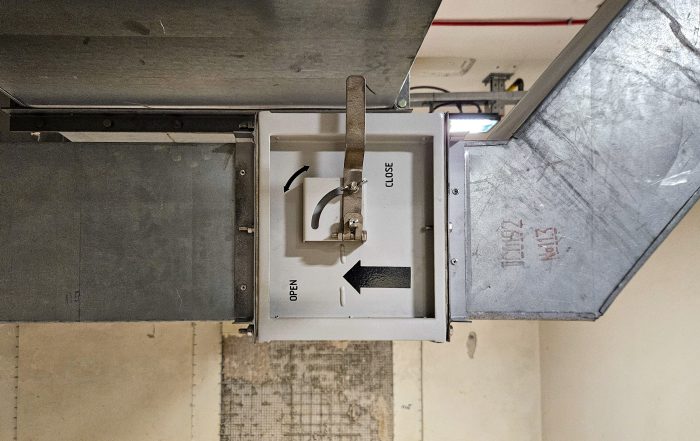
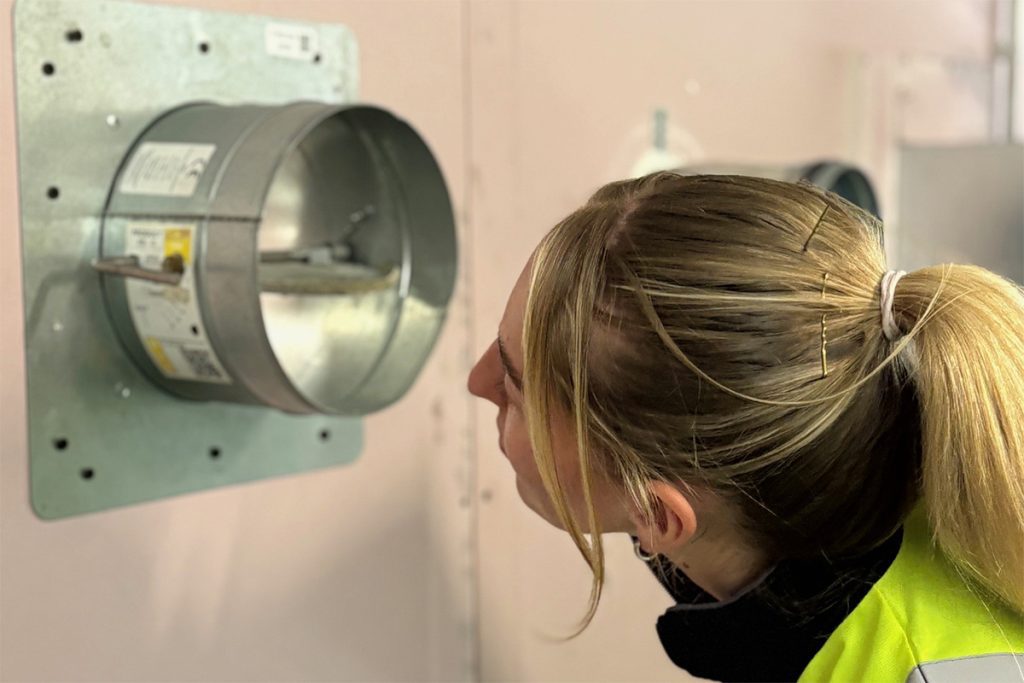
Once accessed, each damper undergoes a visual check. This involves looking for any obvious signs of damage or issues that could affect performance.
Common things engineers look for include:
- Dirt and dust build-up
- Corrosion or rust
- Obstructions within the duct
- Missing or damaged components
- Poor installation or positioning
This stage helps to quickly identify any dampers that may already be compromised.
Step 3: Functional Testing
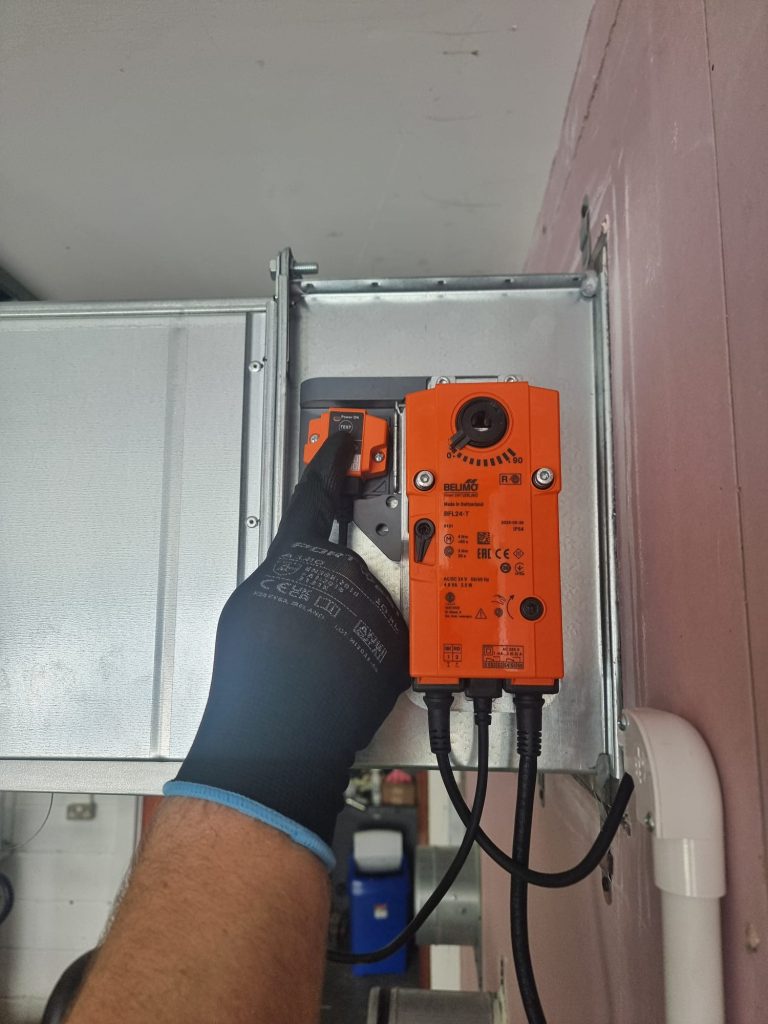
After the visual check, the next step is to test whether the damper actually works. This is a critical part of a fire damper inspection.
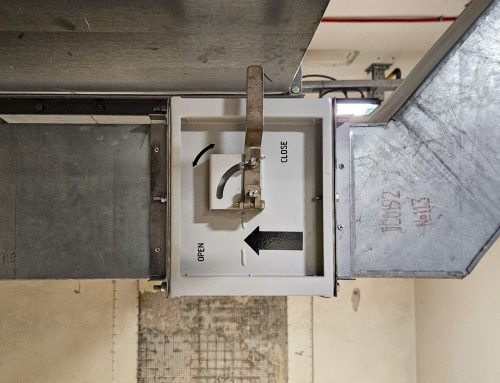
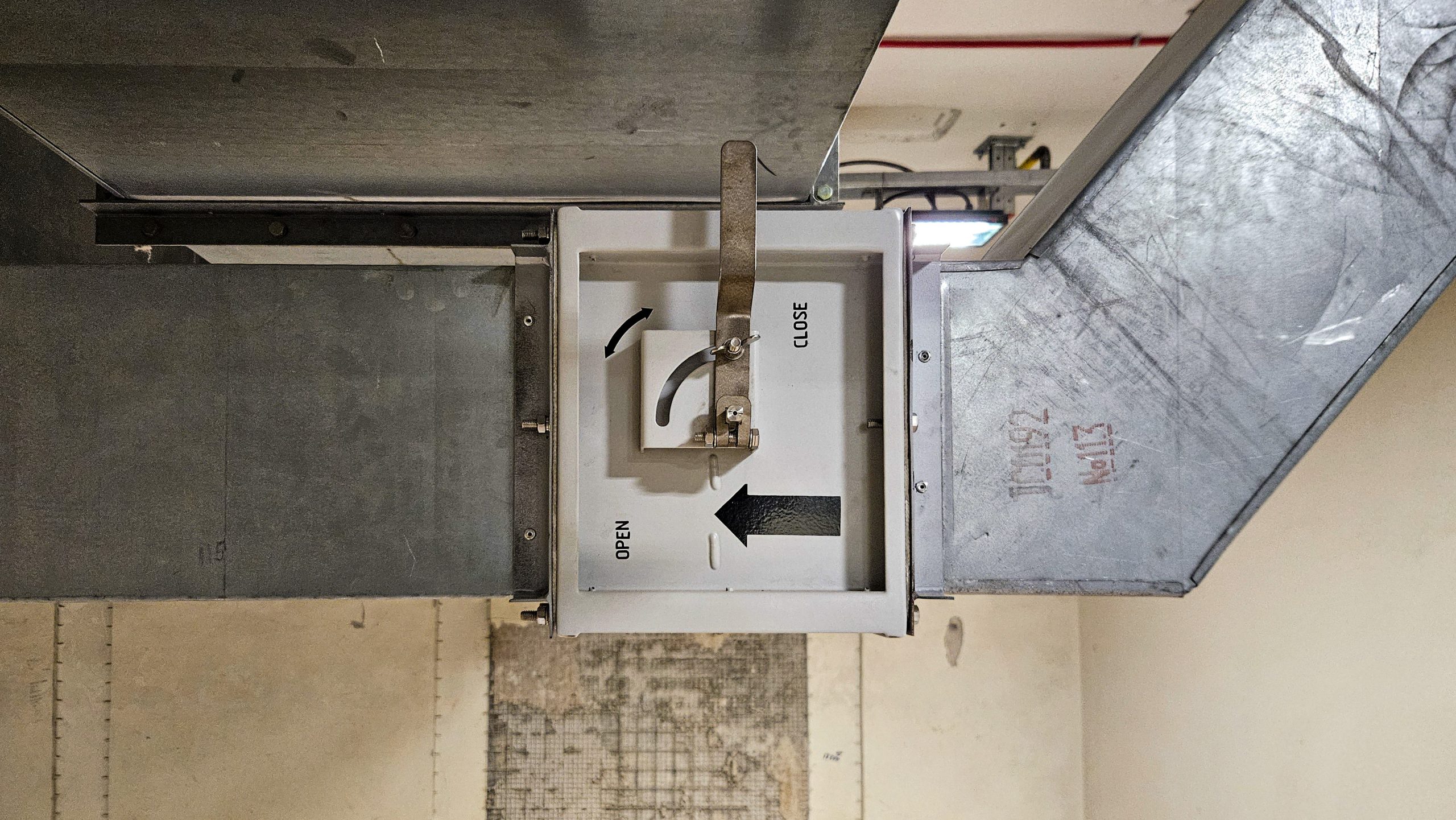
For most fire dampers, this involves manually releasing the mechanism to ensure the blades close fully and correctly. The engineers will check that the damper shuts without obstruction and forms an effective seal. This process is carried out in line with the same standards followed during our professional fire damper testing service.
If the damper does not close properly, it will be recorded as a failure and will require remedial action.
Step 4: Cleaning Where Required
In some cases, dampers may require cleaning as part of the inspection. Dust and debris can build up over time, particularly in busy or high-use buildings, and this can prevent the damper from operating as intended.
Cleaning helps restore the damper to a working condition and can be carried out during the same visit, where appropriate.
Step 5: Recording Results
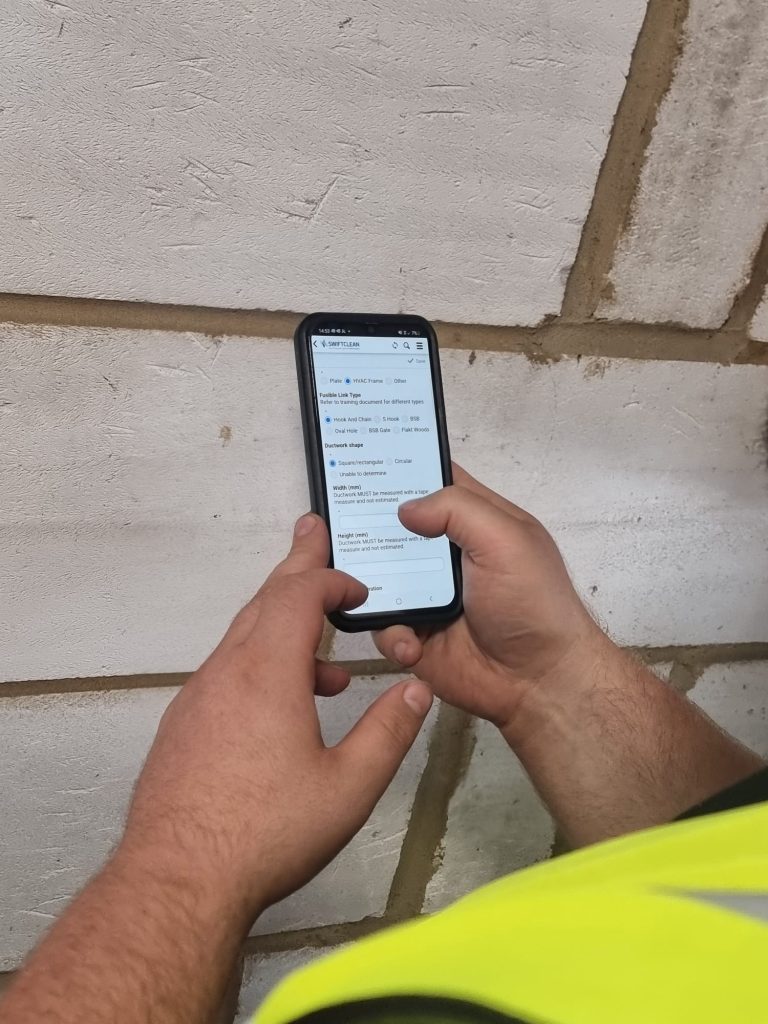
Every fire damper inspection process should include detailed documentation. Each damper is typically given a unique identification number, and its condition is recorded along with a pass or fail result.
Photographic evidence is often included, providing a clear record of the damper’s condition at the time of inspection.
This information forms an important audit trail, which can be used to demonstrate compliance with fire safety regulations and shared with insurers or enforcing authorities if required.
Step 6: Reporting and Recommendations
At the end of the inspection, you will receive a report outlining the findings. This will highlight any dampers that have failed, as well as any issues that may require attention in the near future.
Recommendations may include repairs, replacements, or improvements to access for future inspections.
Having this information allows building managers to prioritise work and ensure that fire safety systems remain effective.
What to Expect as a Building or Estates Manager
A fire damper inspection is usually carried out by trained specialists and can be planned to minimise disruption. In occupied buildings, such as offices or student accommodation, inspections are often scheduled around off-peak times to reduce inconvenience.
While the process may involve accessing ceiling voids or service areas, experienced engineers will work efficiently and safely throughout.
Keeping Your Building Protected
Fire dampers are a critical but often overlooked part of a building’s fire safety strategy. Regular inspection ensures they are ready to perform their role in containing fire and smoke.
Understanding what happens during a fire damper inspection can help you feel more confident in the process and highlight the importance of staying on top of maintenance.
Ultimately, it is about protecting people, property, and peace of mind.
Is Your Building’s Fire Damper Inspection Up to Date?
Don’t wait for a compliance issue to find out your fire dampers aren’t working. Swift Fire Compliance provides professional fire damper inspections and testing across the UK, with clear reporting and expert recommendations.
Get in touch today for a free, no-obligation quote.
About the Author: Richard Crews