DW145 Fire Damper Compliance: Everything UK Building Owners Need to Know
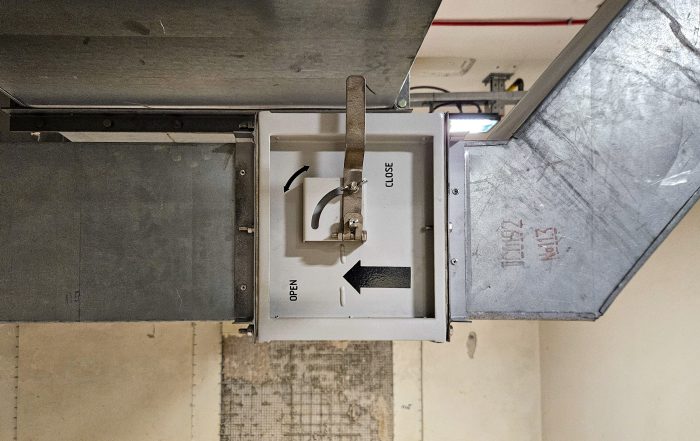
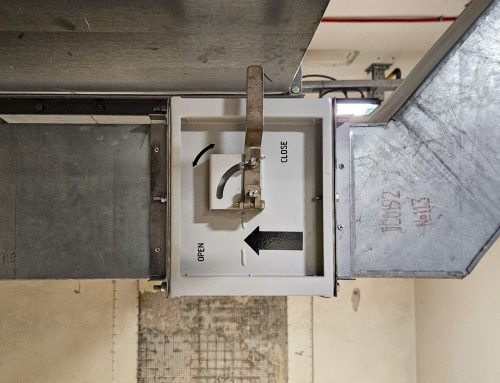
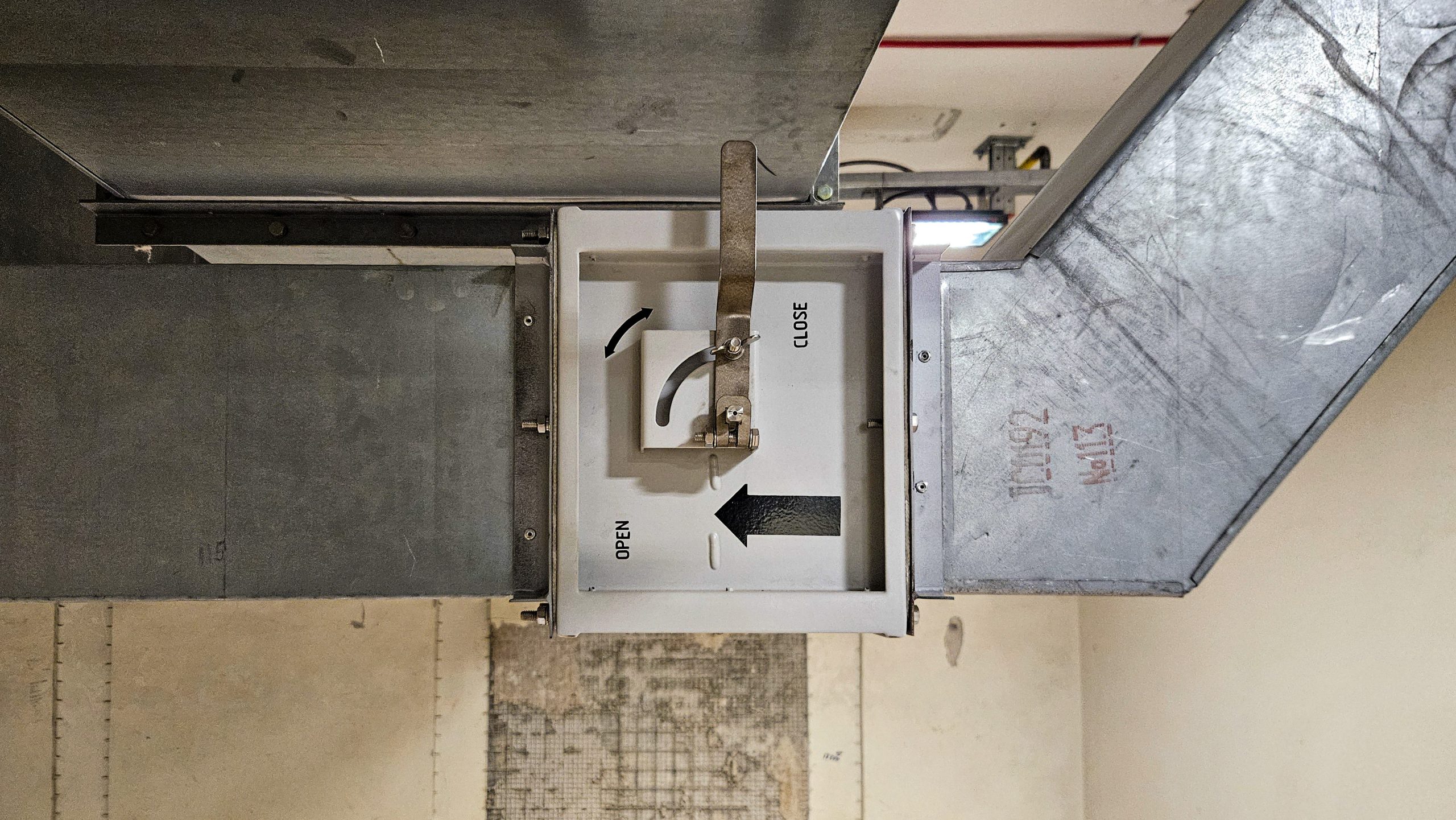
Fire dampers are one of the most important passive fire protection measures within any commercial building. Hidden away within ventilation systems, they are designed to slow the spread of fire and smoke through ductwork, helping protect occupants, reduce property damage and support safe evacuation.
However, following the Grenfell Tower tragedy and the introduction of the Building Safety Act 2022, greater scrutiny has been placed on fire damper compliance across the UK. Building owners, facilities managers and duty holders are now expected to demonstrate that their fire dampers have been correctly installed, regularly tested and properly maintained.
The latest guidance contained within DW145 from the Building Engineering Services Association (BESA) provides the industry benchmark for achieving this.
In this guide, we’ll explain what DW145 fire dampers are, how fire damper regulations UK apply to your building, what is required for DW145 fire damper installation, and how Swift Fire Compliance can help ensure your building remains compliant.
What is DW145?
DW145 is the latest industry guidance published by the Building Engineering Services Association (BESA) covering the inspection, testing, installation and ongoing maintenance of fire and smoke dampers.
It has become the recognised best practice standard for demonstrating compliance with UK fire safety legislation and reflects the increased focus on accountability following the Grenfell Tower Inquiry.
DW145 introduces a structured approach that helps building owners maintain a complete record of every fire damper throughout its lifetime.
For many organisations, adopting DW145 is now considered essential rather than optional.
Expert Tip: Even if your building predates DW145, you are still expected to demonstrate that fire dampers have been installed correctly and continue to operate as intended.
Understanding Fire Damper Regulations UK
Many people search for fire damper regulations UK, but there is no single piece of legislation dedicated solely to fire dampers.
Instead, compliance comes from several regulations working together.
| Regulation | What it Means |
| Regulatory Reform (Fire Safety) Order 2005 (England & Wales), The Fire Safety (Scotland) Regulations 2006, The Fire Safety Regulations (Northern Ireland) 2010 | Places responsibility on the Responsible Person to maintain fire safety systems. |
| Building Safety Act 2022 | Introduces greater accountability for higher-risk buildings. |
| Approved Document B | Covers fire safety requirements during construction. |
| BS 9999 | Offers guidance for fire safety management. |
| DW145 | Industry best practice for fire damper installation, inspection and maintenance. |
Together these regulations require building owners to ensure fire dampers continue to perform correctly throughout the life of the building.
| Looking for a comprehensive guide to fire and smoke control dampers? Our free downloadable guide is designed to help building owners, facilities managers and Responsible Persons understand the role fire and smoke dampers play in protecting occupants and maintaining compliance. Download The Ultimate Guide to Fire & Smoke Control Dampers |
Why DW145 Became More Important After Grenfell
The Grenfell Tower tragedy highlighted significant failings in building safety across the UK.
Since then, investigations have shown that many buildings contained:
- Fire dampers that had never been tested
- Missing installation records
- Poor maintenance
- Dampers installed incorrectly
- No access for future inspections
As a result, BESA updated DW145 to improve accountability throughout a building’s lifecycle.
A major part of the updated guidance is maintaining what is often referred to as the “Golden Thread” of information. This means every fire damper should have documented evidence covering installation, testing, maintenance and future inspections.
What Does DW145 Compliance Require?
Achieving DW145 compliance involves far more than simply carrying out annual testing.
The guidance published by the Building Engineering Services Association (BESA) provides a framework for the installation of fire dampers, inspection, maintenance and record keeping throughout the life of a building.
Under DW145, building owners and duty holders should be able to demonstrate that DW145 fire dampers have been correctly installed, remain accessible for inspection, and are maintained in accordance with the building’s fire safety strategy. This supports compliance with wider fire damper regulations in the UK and helps ensure fire dampers will operate effectively if a fire occurs.
Meeting DW145 compliance is not simply about passing an annual inspection. It is about implementing a structured fire damper management programme that ensures every damper can be inspected, tested, maintained and, if necessary, repaired throughout the building’s lifecycle. This proactive approach helps protect occupants, supports legal compliance and provides building owners with the evidence needed during audits, inspections and insurance reviews.
1. Annual Fire Damper Testing
Every fire damper should be:
- Visually inspected
- Manually drop tested
- Reset correctly
- Recorded
Testing should take place at intervals not exceeding 12 months.
Certain buildings, such as hospitals, care homes and high-risk premises, may require more frequent inspections.
2. Four Levels of Inspection
DW145 introduces four structured inspection levels.
| Inspection Level | Purpose |
| Level 1 | Initial inspection before handover |
| Level 2 | Inspection within 12 months of occupation |
| Level 3 | Discovery survey for buildings with little or no documentation |
| Level 4 | Ongoing planned inspection and maintenance programme |
This framework allows buildings of every age to work towards full compliance.
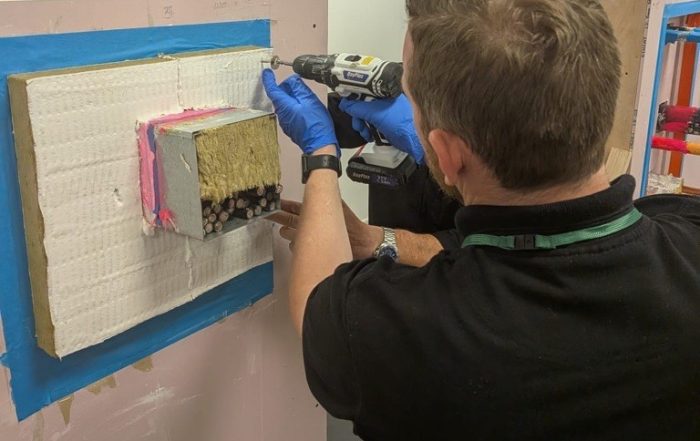
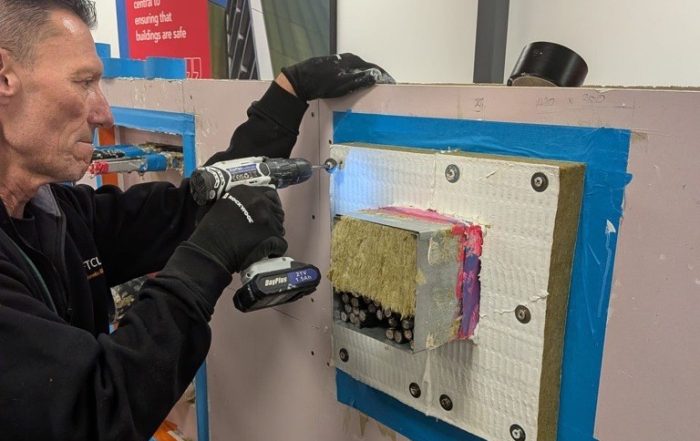
Installation of Fire Dampers Under DW145
Correct installation of fire dampers is just as important as testing.
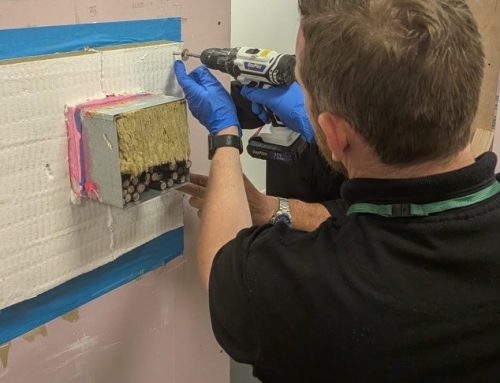
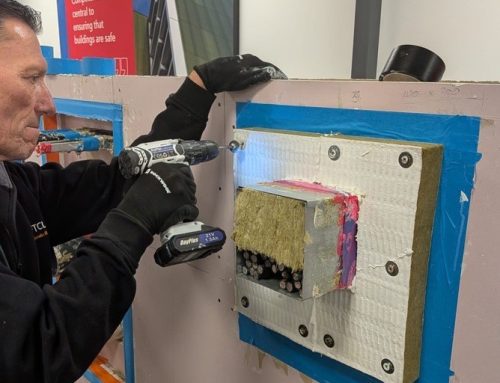
If a damper has not been installed in accordance with the manufacturer’s instructions, it may fail during a fire.
Common installation problems include:
- Incorrect orientation
- Missing retaining angles
- Wrong fixing methods
- Poor fire stopping around duct penetrations
- Insufficient access for maintenance
- Unsupported ductwork
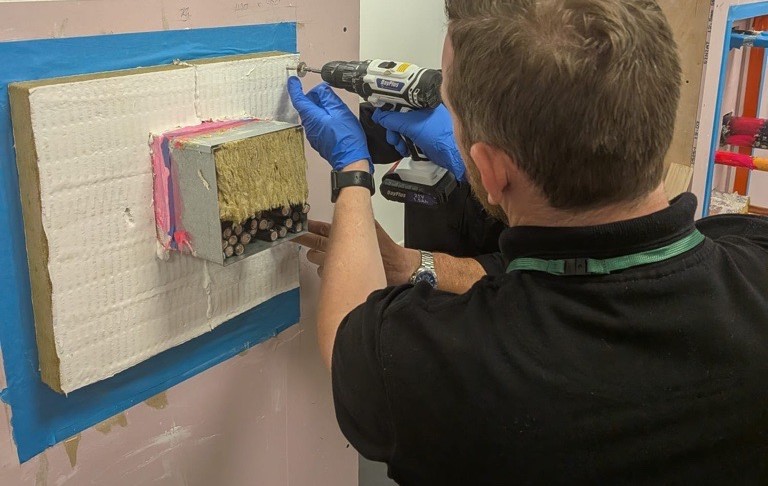
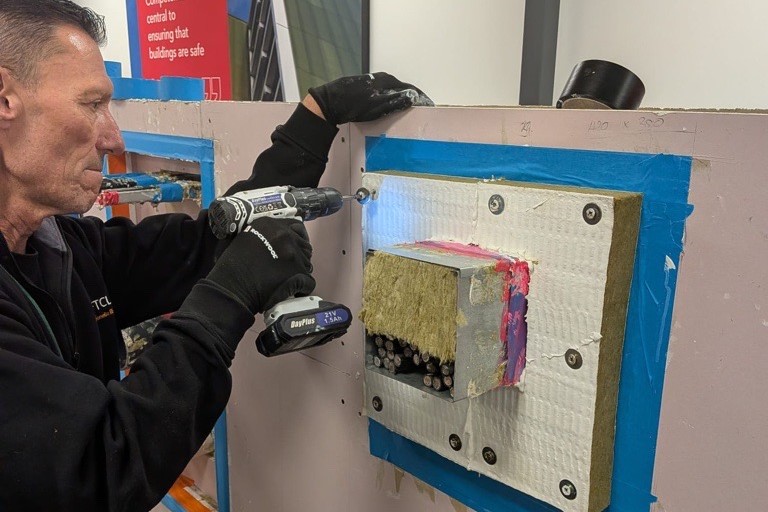
Every fire damper installation should follow the manufacturer’s tested installation method.
If your building has existing dampers, a professional inspection can identify any remedial works required.
Did You Know? A perfectly functioning fire damper may still be considered non-compliant if it was installed incorrectly or cannot be safely accessed for testing.
Why Documentation Matters
One of the biggest changes introduced by DW145 is the emphasis on evidence.
Each fire damper should have:
- Unique asset ID
- Location details
- Photographs
- Installation records
- Manufacturer details
- Test results
- Maintenance history
- Access information
Without this information, proving compliance becomes significantly more difficult.
For facilities managers overseeing hundreds of dampers, accurate asset management is essential.
| Not sure what a compliant fire damper report should include? Our free downloadable guide explains the key information every building owner, facilities manager and Responsible Person should expect following a fire damper inspection. Download our free guide on compliant fire damper reports |
When Are Fire Damper Remedial Works Required?
Testing frequently identifies defects that require corrective action.
Typical issues include:
- Damper blades sticking
- Damages caused during building works
- Failed actuators
- Corrosion
- Damaged ductwork
- Poor installation
- Missing fire stopping
- Inaccessible dampers
Completing remedial works quickly helps restore compliance and ensures the system performs correctly if needed.
Fire Damper Testing Is More Than a Tick Box Exercise
Routine fire damper testing is one of the most important aspects of maintaining a safe building. While annual inspections are a key requirement under DW145 and UK fire safety legislation, testing should never be viewed as simply a compliance exercise.
It provides assurance that your fire dampers will operate correctly in the event of a fire, helping to contain the spread of flames and smoke through your building’s ventilation system.
- During professional fire damper testing, engineers confirm that:
- Dampers fully close
- Mechanisms operate correctly
- Obstructions have not developed
- Corrosion has not affected operation
- Future maintenance can be completed safely
Commercial buildings are continually evolving through refurbishments, maintenance works and changes in occupancy. These alterations can inadvertently affect fire dampers, making regular inspections essential to identify issues before they compromise your building’s fire compartmentation.
Professional testing also creates a documented record of each inspection, providing evidence that your organisation is meeting its responsibilities under current fire damper regulations UK and supporting your ongoing compliance strategy.
| Further Reading: Learn why annual inspections are about much more than meeting legal obligations in our article, Annual Fire & Smoke Control Damper Testing: Why It’s More Than Just a Compliance Tick Box |
Signs Your Building May Not Meet DW145 Compliance
Consider arranging a professional survey if one or more of the following apply to your building(s):
✔ Fire dampers have never been tested
✔ Installation records cannot be located
✔ There is no photographic evidence
✔ Dampers are inaccessible
✔ Your building has been refurbished
✔ You inherited the building from previous owners
✔ Asset registers are incomplete
These are all common issues discovered during compliance surveys.
Is Your Building Fire Damper Compliant?
Complete our free Fire Damper Compliance Checker to identify whether your building could require testing, remedial works or further investigation. It’s a quick and easy way to understand your current compliance position.
Complete the Free Compliance CheckerHow Swift Fire Compliance Can Help
Swift Fire Compliance provides nationwide fire damper services designed to help organisations meet current legislation and industry guidance.
Our experienced engineers can assist with:
- Fire damper surveys
- DW145 inspections
- Fire damper testing
- Installation of fire dampers
- Fire damper remedial works
- Compliance reporting
- Asset tagging
- Photographic documentation
Every inspection is completed using recognised industry procedures, providing building owners with clear reports and evidence to support compliance.
| Unsure whether your building complies with current fire damper guidance? Download our comprehensive guide: The Ultimate Guide to Fire & Smoke Control Dampers |
Why Choosing a Competent Fire Damper Specialist Matters
DW145 places strong emphasis on competence.
Fire dampers should only be inspected and maintained by engineers who understand:
- Passive fire protection
- Fire compartmentation
- Manufacturer installation methods
- Building fire strategies
- Current legislation
- BESA guidance
Choosing an experienced specialist provides confidence that inspections are completed correctly and any defects are accurately identified.
Book a Professional DW145 Fire Damper Inspection Today
The expectations surrounding DW145 fire damper installation, testing and maintenance have never been higher. With increased regulatory scrutiny and greater accountability for building safety, organisations must be able to demonstrate that every fire damper has been correctly installed, regularly tested and fully documented.
Whether you require routine inspections, remedial works or expert guidance on fire damper regulations UK, Swift Fire Compliance can help you maintain safe, compliant buildings while providing the documentation needed to support ongoing compliance.
Frequently Asked Questions About DW145 Fire Damper Compliance
Is DW145 a legal requirement?
DW145 itself is industry guidance rather than legislation. However, following its recommendations helps demonstrate compliance with legal duties under the Regulatory Reform (Fire Safety) Order 2005 and Building Safety Act 2022 in England and Wales; The Fire Safety (Scotland) Regulations 2006; or The Fire Safety Regulations (Northern Ireland) 2010.
How often should fire dampers be tested?
Most buildings require testing at least every 12 months. Higher-risk environments may require more frequent inspections.
What happens if fire dampers fail testing?
Defective dampers should be repaired or replaced as soon as possible. Leaving faulty dampers in service may compromise fire compartmentation and building safety.
Who is responsible for fire damper compliance?
The Responsible Person, duty holder or building owner is responsible for ensuring fire dampers are correctly maintained and tested.
Does every commercial building need fire dampers?
Any building with ventilation ductwork passing through fire compartments is likely to require fire dampers. A competent fire risk assessment will determine the specific requirements.
What records should be kept?
DW145 recommends maintaining installation records, photographs, asset registers, inspection reports, maintenance history and evidence that each damper operates correctly.
About the Author: Richard Crews