After the Fire: Are Your Fire and Smoke Dampers Still Safe?
Once a fire has been extinguished, attention naturally turns to visible damage. However, hidden fire-safety components, including fire and smoke dampers, must also be assessed before the building’s ventilation systems are returned to normal use.
Even if a damper LOOKS undamaged, exposure to heat, smoke, soot, firefighting water or extinguishing chemicals may have affected its operation and fire resistance.
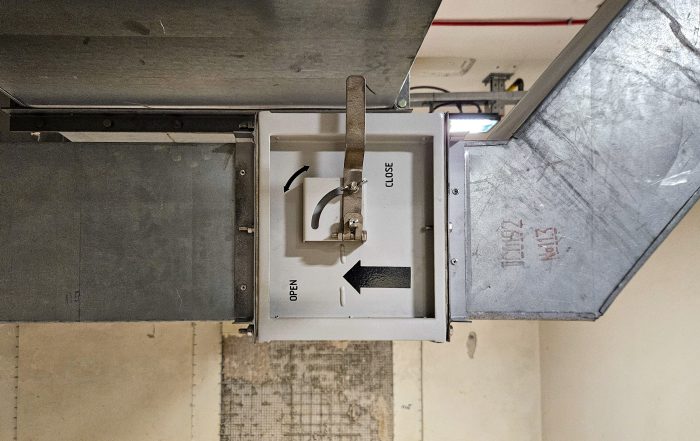
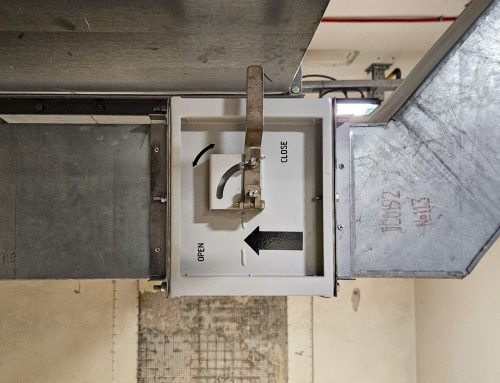
Fire and smoke dampers form part of a wider fire safety strategy. Their purpose is to help control the spread of fire and smoke through ventilation ductwork and across compartment lines. If a damper has operated during an incident, has been exposed to heat, or may have been affected by smoke and firefighting activity, it should be treated as potentially compromised until a competent assessment confirms otherwise.
This guide explains the practical steps building owners, Responsible Person and facilities teams should take after a fire or smoke incident.
This article provides general guidance. Post-fire assessments should be undertaken by competent specialists in accordance with the building’s fire strategy, current legislation and manufacturer requirements.
Why Dampers Cannot Simply Be Reset and Returned to Service
Fire and smoke dampers form part of a building’s passive and active fire safety strategy. Their purpose is to help control the spread of fire and smoke through ventilation ductwork and across compartment lines, protecting escape routes, buying critical time for evacuation and limiting damage to the building.
When a damper has operated during a fire incident, or has been exposed to heat, smoke or firefighting activity in an affected area, it should be treated as potentially compromised until a competent assessment confirms otherwise.
Resetting an activated damper, or cleaning away surface soot, does not demonstrate that the damper remains safe or that its fire resistance is intact. Replacing a fusible link, for example, restores the thermal trigger mechanism but does not address any underlying damage to the blade mechanism, frame, seals or surrounding construction that may have occurred during the incident.
Critical reminder: Do not reset activated fire or smoke dampers and return them to service without first arranging a competent inspection. A damper that looks undamaged may still have been compromised by heat exposure, contamination or firefighting activity. The only reliable way to confirm its operational status is through a specialist post-fire assessment.
What should you do after a fire or smoke incident?
1. Do not simply reset the dampers
An activated damper should not be reset and returned to service without inspection. Replacing a fusible link or cleaning away soot does not, on its own, demonstrate that the damper remains safe.
2. Identify all affected dampers
Locate every fire, fire-and-smoke and smoke control damper within, adjoining or serving the affected area. This should include dampers in ducts that may have carried hot gases or smoke away from the fire.
Key step: Before ventilation or smoke control systems are returned to service following a fire, all affected fire and smoke dampers must be inspected, tested and confirmed as safe by a competent specialist. This is not a step that can be deferred or bypassed without creating additional safety risk.
3. Arrange a competent inspection
A competent fire-damper or smoke-control specialist should inspect the dampers and their surrounding installations for:
| Inspection Area | What to Look For |
|---|---|
| Heat damage and distortion | Warping, deformation or visible heat damage to the frame, blades or housing |
| Soot, debris and contamination | Contamination that could prevent the damper from closing fully or operating correctly |
| Corrosion from water or chemicals | Damage caused by firefighting water or extinguishing chemicals affecting metal components |
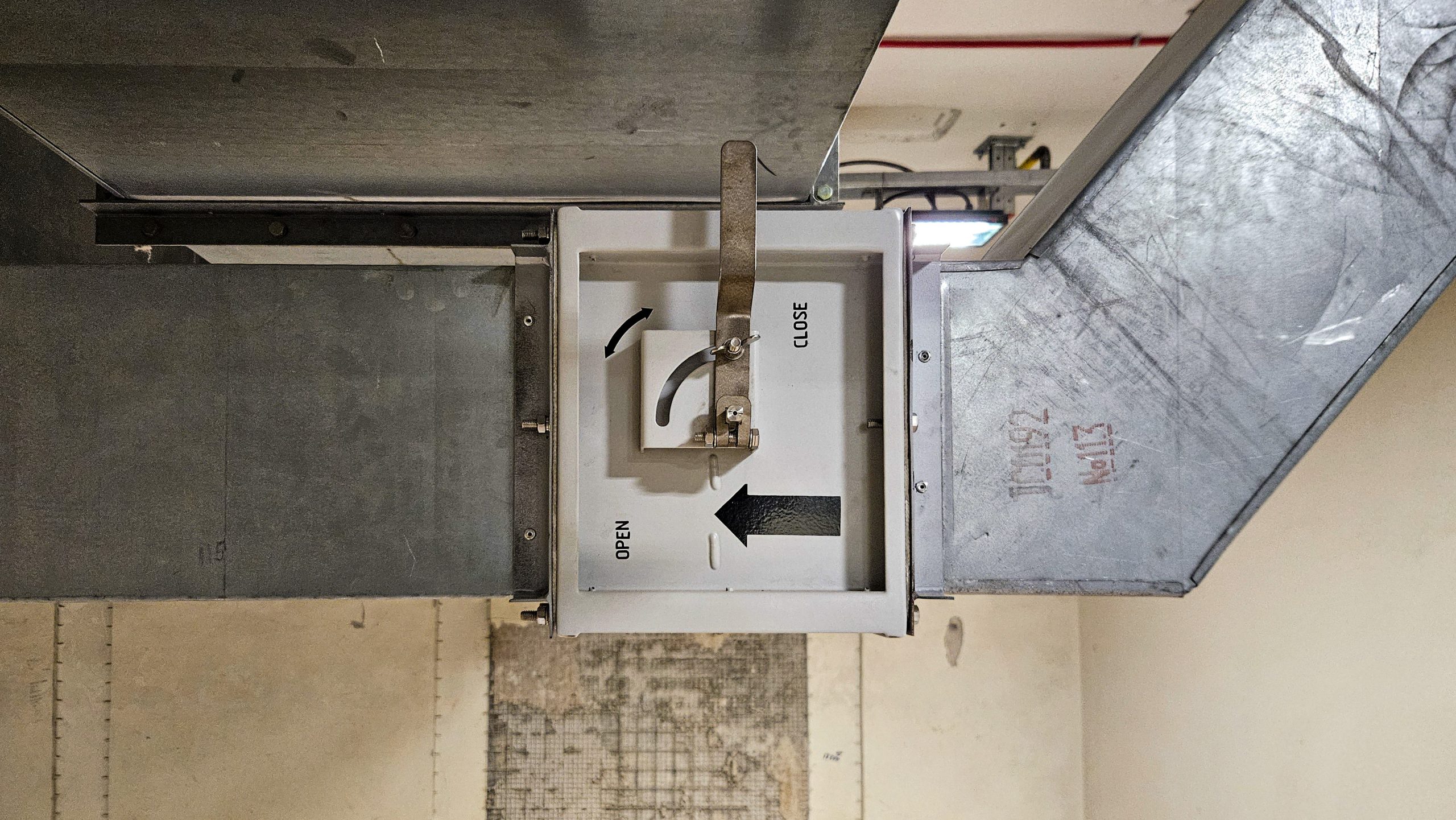
| Damaged blades, seals, springs or linkages | Mechanical damage affecting the damper’s ability to close correctly and maintain its seal |
| Actuator, wiring and control faults | Damage to motorised actuators, control interfaces or power supplies affecting smoke damper operation |
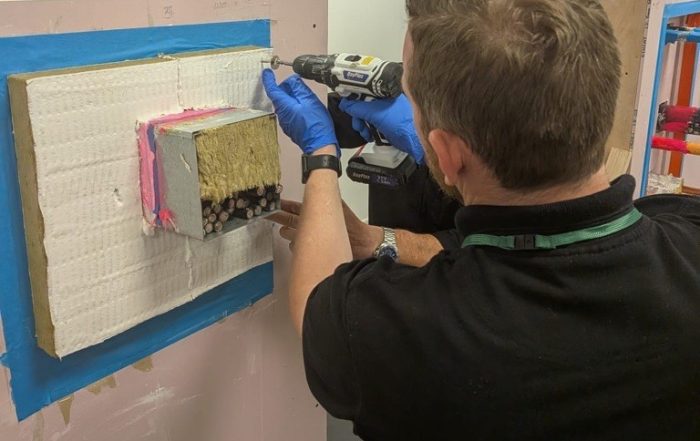
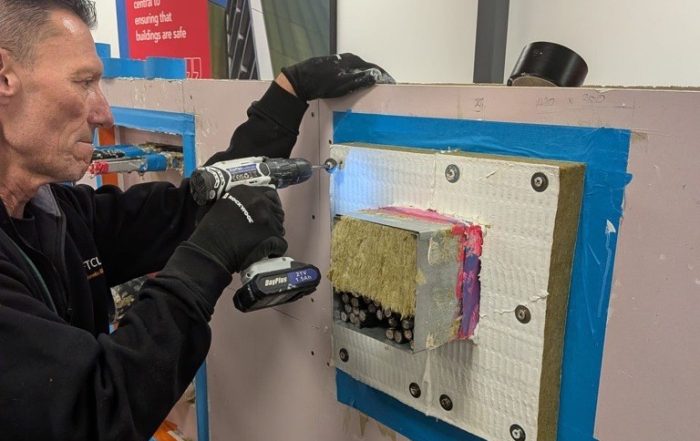
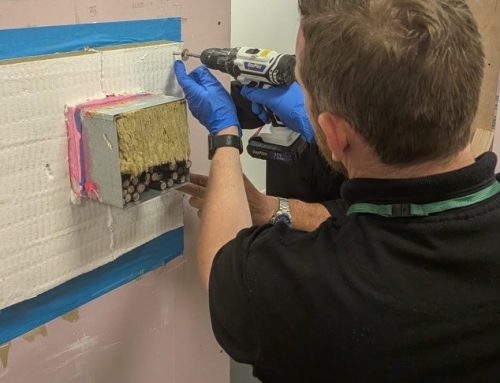
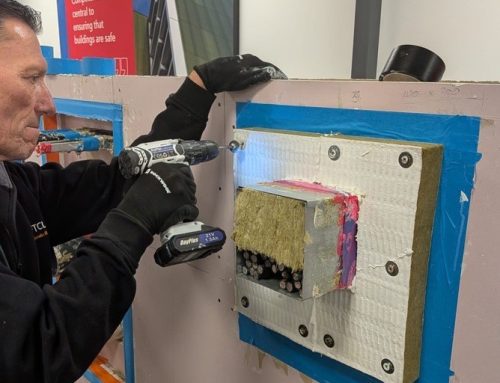
| Surrounding construction and penetration seals | Damage to the surrounding wall or floor and integrity of firestopping around the damper frame |
Where a damper has been directly exposed to fire, heat or firefighting media, we would recommend that the damper manufacturer should also be consulted for further advice.
4. Test the complete system
Affected dampers must be functionally tested to confirm that they travel fully to the required position and reset correctly.
For smoke control systems, testing should include the complete cause-and-effect sequence, not just the individual damper. Controls, alarms, actuators, position indicators, fans and system interfaces should all operate as intended.
Important for smoke control systems: Testing individual smoke dampers in isolation is not sufficient following a fire incident. The complete cause-and-effect sequence for the smoke control system must be verified, including controls, fans, alarms and all interfaces. A damper that operates correctly in isolation may still be part of a system that does not perform as intended.
5. Replace anything that cannot be verified
Replace the damper where its damaged, distorted or heavily contaminated; it fails to operate correctly; its fire or smoke performance can no longer be demonstrated; the manufacturer recommends replacement and/ or suitable approved replacement parts are unavailable.
Any activated fusible links or other single-use thermal devices must be replaced with correctly specified, manufacturer-approved components.
6. Record the findings
It is essential to maintain a clear record of the dampers inspected along with their locations, any damage or contamination identified, accompanying photographs, parts or dampers replaced, functional and system test results, and the approval to return the system to service.
These records should be retained with the building’s fire-safety information.
Why Post-Fire Damper Assessment Matters Legally
Under the Regulatory Reform (Fire Safety) Order 2005, the Responsible Person has a continuing legal duty to ensure that fire safety measures within the building are maintained in an efficient state and in good working order. A fire event does not suspend this duty. It creates additional urgency to verify that compromised fire safety components are identified and either confirmed as serviceable or replaced.
Failure to carry out a competent post-fire assessment before returning ventilation systems to service could constitute a breach of fire safety legislation, and may affect the outcome of any subsequent insurance claim or regulatory investigation.
Don’t assume; inspect and verify
A damper exposed to fire should always be treated as potentially compromised. Before ventilation or smoke-control systems are returned to service, affected dampers and penetration seals must be inspected, tested and, where necessary, replaced.
Need a Post-Fire Fire Damper Assessment?
Swift Fire Compliance provides competent post-fire fire and smoke damper inspections, functional testing and replacement services for buildings across the UK. If you have experienced a fire or smoke incident and need your dampers assessed, contact our team today.
Contact Our Team Call Us: 0800 243 471Your Post-Fire Damper Assessment Questions Answered
Not necessarily, but they must be inspected and tested by a competent specialist before being returned to service. Where inspection identifies visible damage, distortion, contamination that cannot be safely removed, or where functional testing confirms the damper does not operate correctly, replacement will be required. The damper manufacturer should also be consulted where there has been direct exposure to fire or firefighting media.
Potentially, but only after it has been properly inspected and tested. An activated damper should never simply be reset and returned to service without assessment. Any single-use thermal components such as fusible links must always be replaced with manufacturer-approved equivalents. If the damper passes a full post-fire inspection and functional test and the manufacturer does not recommend replacement, it may be returned to service with the findings documented.
As quickly as possible. Ventilation and smoke control systems should not be returned to normal operation until affected dampers have been assessed and confirmed as serviceable. The urgency of the assessment will depend on the extent of the incident and the areas affected, but it should be treated as a priority rather than a deferred maintenance task.
The firestopping and surrounding construction at each damper penetration should be inspected as part of the post-fire assessment. Heat, firefighting water and physical damage from the incident can all compromise the integrity of the firestopping seal, which must be reinstated using an appropriate tested system before the penetration can be considered compliant. A closing damper surrounded by damaged firestopping does not provide effective compartmentation.
About the Author: Abbey Maxwell