Summer Compliance Checklist for Fire Dampers & Kitchen Extract Cleaning
With just three weeks on average until many schools, colleges and academies across the UK begin their summer shutdown, now is the time to address essential fire safety and kitchen extract compliance before the new academic year begins.
For estates and facilities teams and responsible persons, the summer holidays provide the ideal opportunity to complete works that are difficult to undertake during term time. Leaving them until the last minute can result in limited contractor availability, delayed maintenance and outstanding compliance issues when staff and pupils return in September.
Are Your Fire Dampers Compliant?
Fire dampers are a critical part of a building’s passive fire protection system, designed to prevent the spread of fire and smoke through ventilation ductwork. Because they are often concealed above ceilings or within service risers, problems can go unnoticed for years.
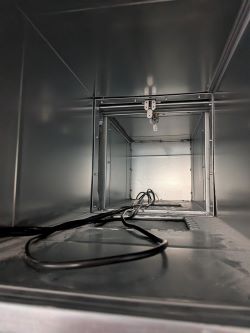
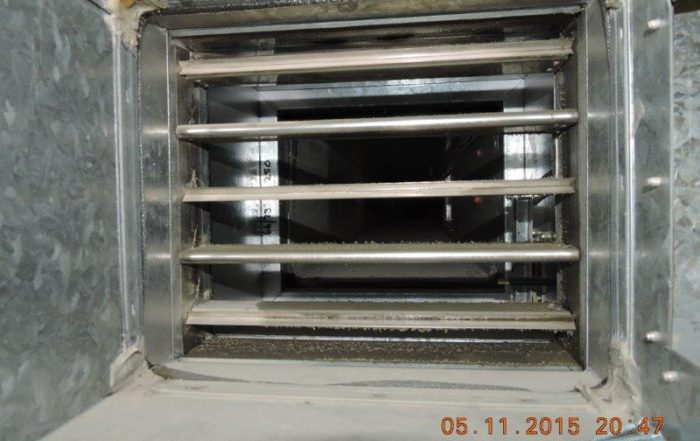
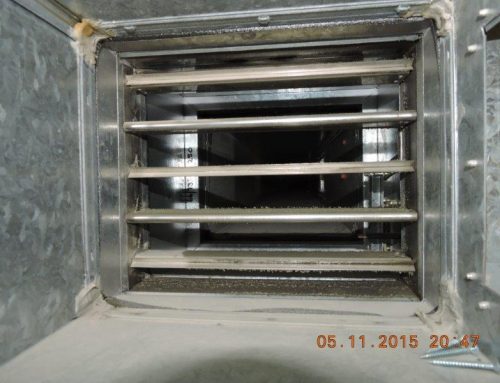
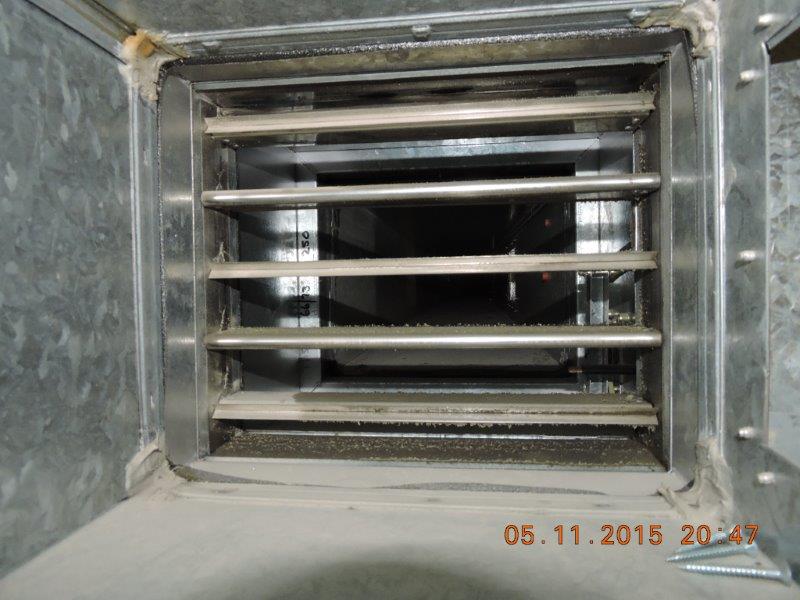
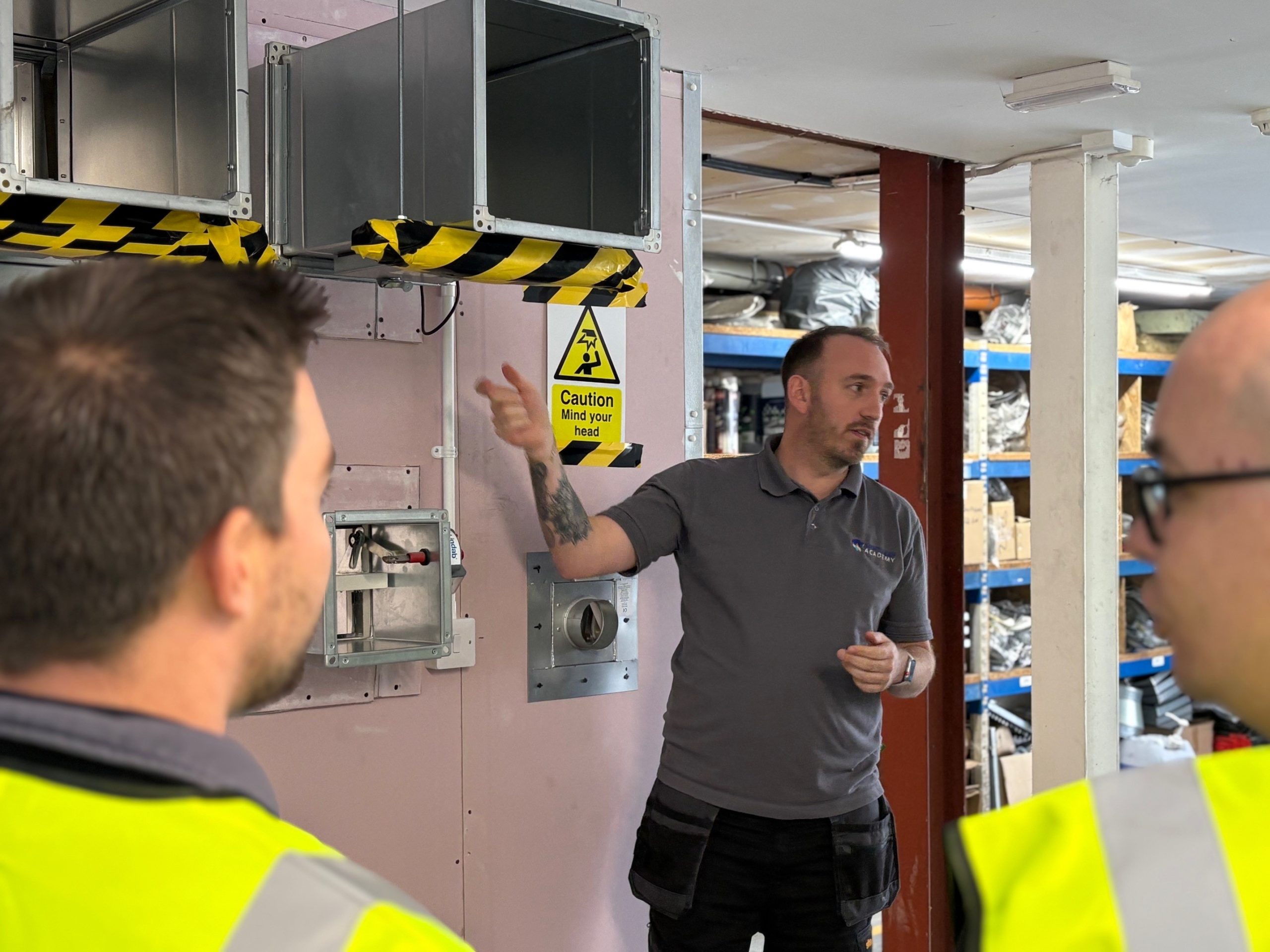
Many schools discover during inspections that dampers have been painted over, obstructed, damaged or are inaccessible for routine testing. In some cases, access panels are missing or have never been installed, making inspection impossible.
Under the Regulatory Reform (Fire Safety) Order 2005, Responsible Persons must ensure fire safety equipment is suitably maintained. Industry guidance, including DW 145, also recommends that fire dampers are installed in a way that allows safe access for inspection, testing and maintenance. If access cannot be achieved, remedial works may be required before compliance can be demonstrated.
The summer shutdown provides the ideal opportunity to complete both fire damper testing and any remedial works while buildings are unoccupied, avoiding disruption once the new term begins.
If fire dampers are inaccessible or have not been tested, the issue should not be left until term starts again. The summer shutdown may be the best opportunity to complete access works and restore compliance.
Is Your Kitchen Extract System Safe?
Many insurers now expect evidence that commercial kitchen extract systems have been cleaned in accordance with TR19® Grease. Without suitable records, claims following a kitchen fire may become more difficult to defend.
School kitchens operate daily throughout the academic year, allowing grease to accumulate within canopies, ductwork and extract fans. If left untreated, grease deposits significantly increase the risk of fire and reduce the efficiency of the ventilation system.
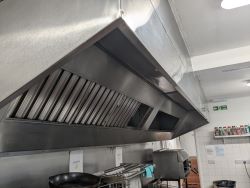
TR19® Grease guidance recommends that kitchen extract systems are cleaned at frequencies determined by usage, helping duty holders demonstrate they are effectively managing fire risk. However, many schools delay cleaning until problems become visible or insurers request evidence of compliance.
Scheduling kitchen extract cleaning during the summer break ensures systems are cleaned thoroughly before catering operations resume in September, while also providing the documentation many insurers, auditors and enforcing authorities expect to see.
Why Book During the Summer Holidays?
The summer holidays are the ideal time to carry out essential compliance and hygiene works in schools, colleges and universities. With classrooms empty and facilities out of daily use, contractors can work more efficiently while avoiding disruption to teaching, staff and pupils.
Booking during the summer also means:
- No disruption to learning – Complete works while the building is unoccupied, without affecting lessons, catering or day-to-day operations.
- Better access to key areas – Empty kitchens, plant rooms, ceiling voids and service areas allow inspections, testing and cleaning to be completed more quickly and safely.
- Time to complete remedial works – If issues are identified during inspections or testing, there’s usually enough time to carry out repairs before the new term begins.
- Greater availability – Planning ahead helps secure preferred dates during one of the busiest periods for compliance works.
- Start the new academic year fully compliant – Ensure statutory inspections, cleaning and maintenance are complete, giving you confidence that your building is safe, compliant and ready for staff and students to return.
What Documents Should Schools Keep for Compliance?
Schools should keep clear records for both kitchen extract cleaning and fire damper testing so they can demonstrate that essential compliance work has been completed. These documents help prove that the school has acted responsibly and make it easier to respond to audits, insurer requests, and fire safety reviews.
For kitchen extract cleaning, schools should retain:
- the cleaning certificate.
- the service report.
- before and after photographs, if provided.
- any notes on access issues, grease build-up, or remedial recommendations.
For fire damper testing, schools should keep:
- the fire damper test certificate.
- the inspection report.
- a list of tested dampers and their locations.
- details of any failed dampers or remedial works required.
- evidence that any follow-up work has been completed.
It is also good practice to store all compliance paperwork in one central location, either digitally or in a site compliance folder, so it can be found quickly when needed. Keeping documents organised and up to date makes it much easier to show that the school has maintained its fire safety and ventilation systems properly.
Make the Most of the Summer Window
Schools are out, and the summer holidays remain the best opportunity to complete disruptive compliance works while schools are empty. Booking early helps ensure your fire dampers are tested, any necessary remedial works are completed, and your kitchen extract system is cleaned in accordance with TR19® Grease guidance before the new academic year starts.
With only three weeks until the summer shutdown, now is the time to secure your preferred dates. Swiftclean supports schools, academies and education estates across the UK with specialist fire and ventilation compliance services, helping buildings remain safe, compliant and ready for September.
Summer School Compliance FAQs
When should I contact you to book my summer holiday clean?
We recommend booking as soon as possible. With most schools and colleges having only 3–5 weeks until the summer break, now is the ideal time to secure your preferred dates. Summer is one of the busiest periods for specialist compliance and maintenance contractors, so delaying could mean limited availability and less flexibility in scheduling.
How often should my school kitchen extract system be cleaned in a school?
As a minimum, school kitchen extract systems should be professionally cleaned once a year. However, more frequent cleaning may be necessary depending on factors such as cooking volumes, operating hours, and the type of food being prepared. Regular cleaning helps maintain fire safety, improve system performance, and support compliance with insurance and industry requirements.
Do schools have fire dampers installed?
Many schools have fire dampers installed within their ventilation systems, but not all do. Their presence depends on factors such as the age of the building, the original design, subsequent refurbishments, and the ventilation systems in place. If you’re unsure whether your premises contain fire dampers, a professional survey can help identify them and determine whether they require inspection and maintenance.
How long does fire damper testing take in a school?
The time required for fire damper testing in a school depends on the size of the building, the number of dampers present, and how easy they are to access. A small school with good access may take only a day, while a larger academy, college, or multi-block site may take several days.
In most cases, the biggest factors are access and complexity. Dampers hidden above ceilings, behind locked panels, or in hard-to-reach service zones take longer to inspect and test. If remedial works are needed, such as fitting access panels or clearing obstructions, this can extend the programme further.
What certificate will I receive after kitchen extract cleaning?
After kitchen extract cleaning, you will usually receive a certificate of cleaning or report of completion confirming that the work has been carried out. This typically includes the date of the service, the areas cleaned, and any relevant notes or recommendations.
If the clean is part of a compliance programme, the certificate may also help demonstrate that your kitchen extract system has been maintained in line with fire safety and hygiene requirements.
Are school caretakers responsible for kitchen extract and fire safety maintenance?
School caretakers often play an important role in monitoring facilities and reporting maintenance issues, but responsibility for compliance ultimately sits with the duty holder or organisation responsible for managing the premises. This includes ensuring that kitchen extract systems, fire dampers, and other fire safety measures are properly inspected, maintained, and serviced in accordance with relevant regulations and best practice.
We’re going back to school soon. Can I schedule a last-minute cleaning?
Absolutely. Contact us as soon as possible and we’ll check our availability. If we can’t accommodate your requirements during the summer holidays, we can discuss alternative options during term time or reserve a convenient date during the next half-term break. We’ll always do our best to find a solution that works for your school.
Why should I arrange my compliance work during the summer holidays?
The summer break provides the perfect opportunity to complete essential cleaning, maintenance, and compliance work with minimal disruption to staff, pupils, and catering operations. It’s also an ideal time to address any remedial actions identified during inspections, ensuring your school is fully prepared for the start of the new academic year.
Book Before Availability Becomes Limited
Summer is the busiest period of the year for school compliance works. Booking early gives you the best chance of securing your preferred dates and ensures any remedial works can be completed before the new term begins.
Book Your Summer Compliance WorksAbout the Author: Martin Hembling