The use of robotic cleaners in kitchen extract cleaning is becoming more popular as technology improves, but there are strong arguments both for and against their use. The key question is not whether robots can clean ducts, but whether they can consistently achieve the cleanliness verification required by TR19® Grease.
This article sets out an honest assessment of robotic kitchen extract cleaning, drawing on our experience working with kitchen extract systems across a wide range of sectors and building types.
The Argument for Robotic Cleaning
1. Improved access: Robotic systems can travel through long horizontal duct runs and sections that are difficult or unsafe for technicians to enter. This can reduce the need for additional access panels in some situations.
2. Improved safety: Using a robot means operatives spend less time working inside confined spaces or on roofs, reducing manual handling and work-at-height risks. It can negate the need for manual entry into ducts, which is a last resort for cleaning from a safety perspective.
3. Consistency: A well-designed robotic system can maintain consistent brush pressure and cleaning speed, potentially reducing variability between operators.
4. Camera Documentation: Many robots incorporate cameras, allowing before-and-after footage to be recorded during cleaning, providing useful evidence for clients.
5. Efficiency: On straightforward ductwork with moderate grease deposits, robotic systems can clean long duct sections relatively quickly.
Where robotic cleaning works best: Long horizontal ductwork in large commercial systems, relatively modern installations with straightforward layouts, and systems with moderate rather than heavy grease deposits. In these situations, robotic equipment can be a genuinely useful part of the cleaning process.
The Argument Against Robotic Cleaning
1. Grease isn’t uniform: Kitchen extract systems rarely consist of straight ducts. Typical systems include, vertical risers, fire dampers, access doors, multiple branches, changes in duct size, fan sections, and canopy plenums. Many robots struggle around bends, junctions and complex geometries, meaning manual intervention is often still required.
2. Heavy grease deposits: TR19 Grease isn’t about making ducts “look cleaner.”
Many systems contain different types of grease, such as carbonised grease or thick tar-like deposits; these often require scraping, specialist chemicals and technician judgement rather than simply rotating brushes.
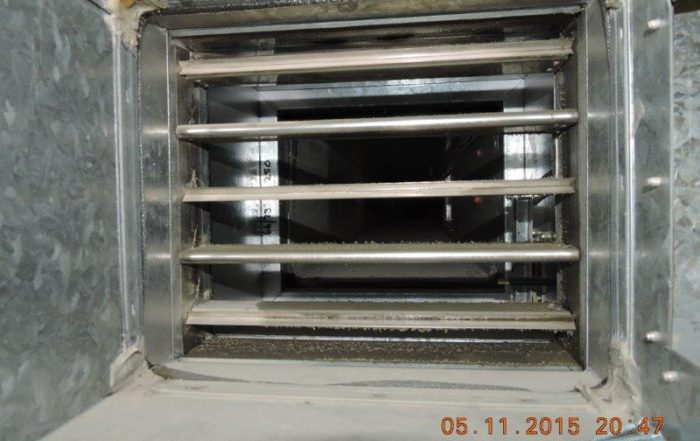
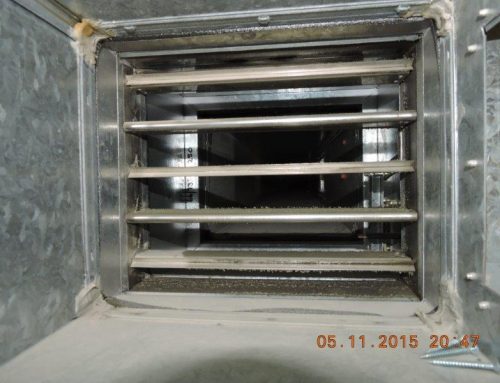
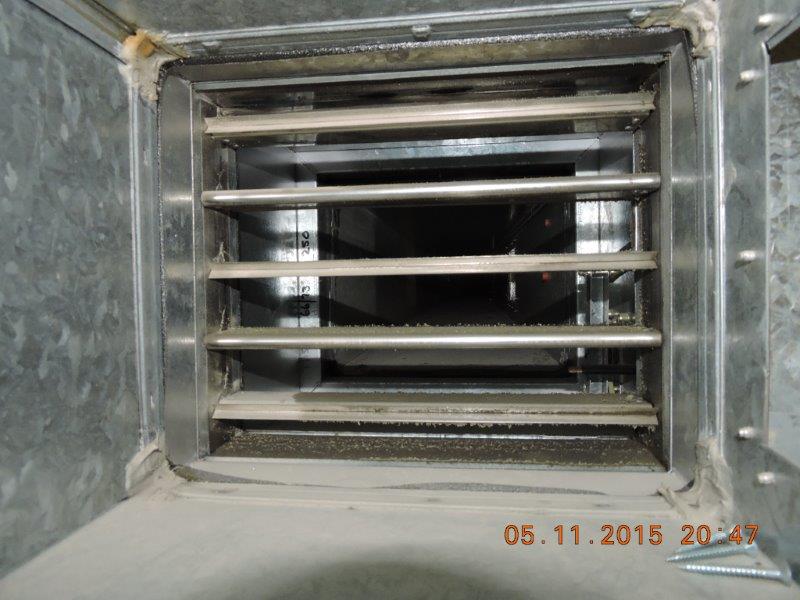
3. Verification remains the key: TR19 Grease requires cleanliness verification. Cleaning should be verified using a post-clean verification report which must include photographic evidence and grease thickness measurements. If a robot cannot physically clean every surface to the required standard, verification may fail.
5. Not all systems are suitable: Robotic cleaning is generally more effective in: long horizontal ductwork, found in large commercial systems and relatively modern installations. It is less suitable for small restaurants which could have tight ductwork, older systems, highly contaminated systems or complex duct layouts.
Robotic vs Manual Kitchen Extract Cleaning: A Comparison
As robotic cleaning technology becomes more common within the ventilation hygiene industry, many facilities managers are asking whether it offers the same results as traditional manual cleaning. While robotic systems can be effective in certain situations, they are not always the right solution for every kitchen extract system.
The comparison table below highlights the strengths and limitations of both approaches, helping you understand which method may be most appropriate for your commercial kitchen ventilation system. Ultimately, the priority should never be choosing the newest technology, but selecting the cleaning method that delivers a safe, fully compliant result.
| Factor | Robotic Cleaning | Manual Cleaning |
|---|---|---|
| Access to long duct runs | Strong | Requires more access panels |
| Complex geometries and bends | Limited | More adaptable |
| Heavy or carbonised grease deposits | Less effective | Scraping and specialist chemicals available |
| Operative safety | Reduced confined space risk | Higher manual handling and access risk |
| Camera documentation | Often built in | Requires separate inspection camera |
| TR19 Grease verification | Depends on system and deposit type | More consistently achievable across system types |
What does TR19 Grease actually say about Robot Cleaners?
This is the most important point for duty holders to understand. TR19 Grease does not specify how a kitchen extract system must be cleaned. It specifies the cleanliness standard that must be achieved and verified.
In other words, the cleaning method is less important than demonstrating that every accessible internal surface has been cleaned to the required standard and confirmed through a compliant post-clean verification report. TR19 Grease does reference various cleaning methods, including mechanical cleaning and hand scraping, but it does not prescribe a single approach.
This means that robotic cleaning is not prohibited by TR19 Grease. But it also means that robotic cleaning is only compliant if it achieves the required cleanliness across the whole system, not just the sections the robot can reach.
Key point: TR19 Grease is a performance specification, not a method specification. Any cleaning approach, whether robotic, manual, or a combination of both, must achieve and demonstrate the required cleanliness standard across every accessible surface of the kitchen extract system.
A Balanced Approach
Many experienced kitchen extract cleaning contractors now use a hybrid approach, using robotic equipment for long, accessible duct runs and manual scraping and brushing where required. Specialist cleaning around fans, canopies and difficult geometries, with final verification by trained technicians in accordance with TR19 Grease, potentially using robotic methods to capture footage.
This combines the efficiency of automation with the judgement and adaptability of skilled operatives.
Important: A robotic clean that cannot be fully verified against TR19 Grease standards is not a TR19 compliant clean, regardless of the technology used. Duty holders should always confirm that their contractor can produce a compliant post-clean verification report covering every accessible section of the system.
Our Approach to Kitchen Extract Cleaning
At Swift Fire Compliance, we believe that experienced technicians remain the most effective way to achieve the high standards required by TR19® Grease consistently across the full range of kitchen extract systems we work with.
While robotic cleaning technology continues to evolve and may have a role to play in the future, we currently favour a hands-on approach that allows our specialists to assess each kitchen extract system individually, adapt their cleaning methods to suit complex duct layouts, and thoroughly remove stubborn grease deposits from every accessible surface.
This level of expertise and attention to detail is essential to delivering the quality of clean and compliance our clients expect. That said, we continually monitor developments within the industry and actively explore new technologies and innovative cleaning methods. If robotic solutions can be proven to consistently achieve the same high standards of cleanliness, verification and compliance that our clients rely on, we would certainly consider incorporating them as part of our service offering.
Questions About Your Kitchen Extract Compliance?
Whether you are reviewing your current cleaning contractor, planning your next kitchen extract clean, or unsure whether your system meets TR19 Grease requirements, our team is here to help.
Speak to Our Team Call Us: 0800 243 471So, Can Robots Really Clean Kitchen Extract Systems to the TR19® Grease Specification?
Robotic cleaners are a valuable tool, but they are not a complete replacement for experienced technicians. TR19 Grease is a performance specification rather than a prescribed cleaning method, so any approach, robotic, manual, or hybrid, must achieve and demonstrate the required cleanliness across the entire kitchen extract system.
Would you trust a robot to clean your kitchen extract system?
Your Robotic Kitchen Extract Cleaning Questions Answered
Can robotic cleaners achieve TR19 Grease compliance?
In some situations, yes. On relatively modern systems with long horizontal duct runs and moderate grease deposits, robotic cleaning can form part of a TR19 Grease compliant process. However, TR19 Grease requires verification of every accessible internal surface. Where a robotic system cannot reach or effectively clean sections of the system, those areas will need manual intervention to achieve and verify compliance.
Is robotic kitchen extract cleaning cheaper than manual cleaning?
This depends on the system and the contractor. On straightforward systems where robotic equipment is well suited, there may be efficiency gains that reduce costs. However, on complex or heavily contaminated systems where manual intervention is still required, a robotic clean may not deliver meaningful cost savings and may result in incomplete cleaning that fails verification.
How do I know if my kitchen extract system is suitable for robotic cleaning?
The suitability of robotic cleaning depends on several factors including the length and layout of the ductwork, the type and volume of grease deposits present, the age and condition of the system, and the number of bends, junctions, and size changes within the duct run. An experienced contractor should assess your system before recommending a cleaning method, rather than applying a single approach to every job.
What should a TR19 Grease compliant post-clean verification report include?
A compliant report should include photographic evidence of the system before and after cleaning, grease deposit thickness measurements confirming the system has been brought within the required standard, details of the cleaning methods used, engineer sign-off, and confirmation that the clean was completed in line with TR19 Grease guidance. This applies regardless of whether robotic or manual cleaning methods were used.
Does Swift Fire Compliance use robotic cleaning equipment?
We currently favour a hands-on approach delivered by our experienced technicians, which allows us to adapt our methods to each system individually and achieve consistent TR19 Grease compliance across complex and heavily contaminated systems. We continue to monitor robotic cleaning technology and would consider incorporating it where it can be demonstrated to consistently meet the same standards our clients expect.
About the Author: Matt Saunders