If you manage or own a commercial kitchen, you’ve likely wondered how often your extract system needs to be cleaned. The exact answer varies depending on several factors, such as the system’s design and age, how intensively the kitchen is used, and the type of cooking carried out. However, one point is undeniable: routine cleaning is vital to maintain safety, hygiene, compliance, and efficient operation.
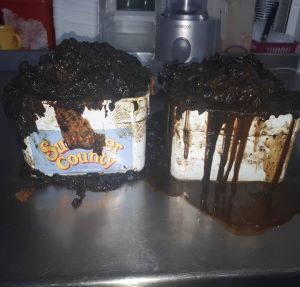
Kitchen extraction systems are designed to remove airborne grease, smoke, heat, and cooking odours. As time passes, grease gradually accumulates within components such as canopies, filters, plenums, ducting, and fans. If left untreated, this build-up can pose a serious fire hazard and reduce the effectiveness of the ventilation system.
To address this, TR19® Grease – the recognised industry specification published by the Building Engineering Services Association (BESA) and co-authored by our Managing Director Gary Nicholls – outlines recommended cleaning intervals and measurable cleanliness standards.
Check Your Compliance
If you are unsure whether your system is fully compliant, speak to our team today for expert advice and support.
Check Your Compliance Call Our Specialists – 0800 243471TR19® Grease Cleaning Guidelines
Cleaning frequency is determined largely by the number of hours your kitchen operates each day. The table below sets out the standard cleaning intervals:
| Usage Level | Operating Hours | Recommended Cleaning Frequency |
|---|---|---|
| Heavy use | 12 to 16 hours per day | Require professional cleanin every 3 months |
| Moderate use | 6 to 12 hours per day | Should be cleaned every 6 months |
| Light use | 2 to 6 hours per day | Typically require cleaning every 12 months |
| Solid fuel cooking | Variable | More frequent – Solid fuel appliances (e.g. wood-fired ovens or charcoal cooking) may need more frequent attention due to higher volumes of combustible residue. |
Based on TR19 Grease guidance. Frequency should be confirmed through a site-specific risk assessment.
TR19® Grease also specifies that grease deposits within ductwork should not exceed an average thickness of 200 microns. Although this may seem minimal – around half the thickness of a standard business card – even this level of build-up can significantly increase fire risk, especially during warmer conditions.
Understanding the 200 Micron Grease Limit
TR19 Grease sets a measurable cleanliness standard – grease deposits within ductwork should not exceed an average of 200 microns across the surface of the system. To put this into perspective, 200 microns is roughly half the thickness of a standard business card. A layer of grease this thin is easy to underestimate visually, yet it already represents the maximum permitted level under TR19 Grease.
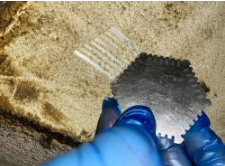
To measure this accurately, a Wet Film Thickness Test can be performed. This involves using a specialist gauge to determine the thickness of grease deposits, providing clear, measurable data on system cleanliness.
Why Compliance with TR19® Grease Matters
Grease is highly flammable, and even a thin layer inside ductwork can allow fire to ignite and spread quickly throughout a building. TR19® Grease was created to help businesses manage this risk through structured inspection, testing, and cleaning practices.
Keeping your system compliant offers several benefits:
- Reduces the likelihood of fire
- Supports adherence to fire safety regulations
- Improves airflow and system efficiency
- Helps lower energy usage
- Promotes a cleaner, healthier kitchen environment
Importantly, compliance also plays a key role in meeting insurance requirements. Many insurers now expect documented proof that cleaning has been carried out in line with TR19® Grease. Failure to provide this evidence could affect a claim if a fire occurs.
Fire safety fact: The Association of British Insurers estimates that around 70 percent of commercial kitchen fires in the UK are attributed to the grease extract ventilation system. Regular, documented cleaning to TR19 Grease standards is one of the most effective ways to manage this risk.
What Does the Law Require?
Under the Regulatory Reform (Fire Safety) Order 2005, the Responsible Person – typically the building owner, employer, or facilities manager — has a legal duty to ensure that fire risks within the building are identified and properly managed. A grease-filled kitchen extract system that has not been cleaned in line with recognised standards is a documented, unmanaged fire risk. It is the Responsible Person’s legal accountability, not simply an operational oversight.
TR19 Grease, the recognised industry specification published by the Building Engineering Services Association and co-authored by Gary Nicholls, Managing Director of Swiftclean, provides the accepted standard against which kitchen extract compliance is assessed. Following TR19 Grease is the recognised way of demonstrating that a duty holder has met their obligations under fire safety legislation.
Who Is Responsible for Kitchen Extract Compliance?
The Responsible Person under the Regulatory Reform (Fire Safety) Order 2005 bears legal accountability for ensuring kitchen extract systems are maintained in a safe condition. This responsibility cannot be passed on by appointing a cleaning contractor. The Responsible Person must ensure that the contractor is competent, that cleaning is carried out to TR19 Grease standards, and that compliance documentation is retained.
In the event of a kitchen fire, the absence of TR19-compliant cleaning records can affect both insurance claims and any subsequent legal or regulatory investigation. Documentation is as important as the clean itself.
Not sure who holds the Responsible Person title in your organisation? Read our guide on who is responsible for fire safety compliance in the UK.
Is Following a Set Schedule Enough?
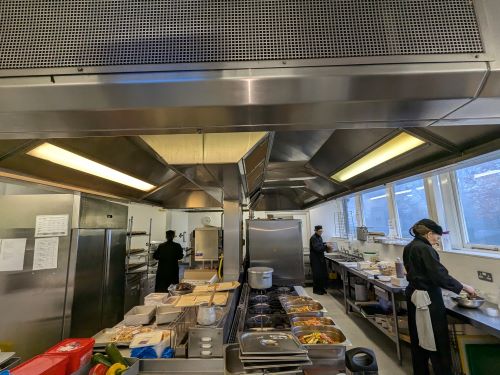
While recommended cleaning intervals are a useful baseline, they don’t always reflect every kitchen’s reality.
Factors such as cooking style, menu, customer volume, and system design all influence how quickly grease accumulates. For instance, a kitchen with heavy frying activity may need cleaning more often than another operating for similar hours but producing less grease.
TR19® Grease also introduced measurable standards, meaning systems should be assessed based on actual grease levels. If deposits exceed acceptable limits (200 microns), cleaning should be carried out sooner than planned. Regular professional inspections are the best way to ensure your schedule remains appropriate.
Did you know? A Wet Film Thickness Test uses a precision-toothed gauge to measure grease deposits inside ductwork, providing objective, quantifiable data on whether a system meets TR19 Grease standards. This is the recognised method for verifying compliance before and after a professional clean.
How Swiftclean Can Support You
At Swiftclean, we specialise in kitchen extract fire safety cleaning in full accordance with the TR19® Grease specification. Our trained technicians clean and assess all parts of your system, including canopies, filters, plenums, ductwork, risers, and extract fans.
We work with a wide range of sectors – from schools and hospitals to restaurants, hotels, stadiums, and food production facilities – helping clients determine the correct cleaning frequency and providing the certification needed for compliance and insurance purposes.
If you’re unsure when your system was last serviced, or whether your current maintenance plan is adequate, our team can evaluate your system and recommend the best course of action to keep it safe, compliant, and efficient.
Is Your Kitchen Extract System Compliant?
If you are unsure whether your system has been cleaned to TR19 Grease standards, or when it was last serviced, speak to our team or use our free compliance checker.
Speak to Our Team Check Your ComplianceYour Kitchen Extract Fire Safety Questions Answered
How can I find out if my extract system has ever been cleaned?
If your system is brand new or you’ve recently taken over a premises without maintenance records, it can be difficult to confirm its history. In this situation, a grease thickness assessment is recommended. This will indicate whether deposits have reached potentially dangerous levels.
What are the signs that my system has been cleaned?
You may notice access panels along the ductwork, which are typically installed to allow cleaning and inspection. However, visual checks alone aren’t sufficient to confirm compliance. The most reliable method is to measure grease levels within the system and compare them to acceptable standards.
It’s also important to check your insurance policy, as this may define specific cleanliness requirements.
How do I know if my system meets insurance requirements?
Review your insurance policy carefully to understand any conditions relating to ventilation hygiene. Many insurers specify cleaning intervals, documentation, and compliance with standards such as TR19® Grease.
If TR19® Grease is referenced, cleaning must be carried out by a qualified contractor. Choosing a provider listed on recognised schemes, such as the BESCA Ventilation Hygiene Register (VHR), can help ensure compliance and protect your cover in the event of a claim.
What is a canopy plenum?
A canopy plenum is an enclosed air chamber within a ventilation hood that controls and directs airflow. Commonly used in commercial kitchens, it serves two primary purposes: either removing smoke and grease or supplying fresh replacement air. It is situated behind the filters.
Download Our Kitchen Extract Compliance Guide
For more information on keeping your kitchen extract system compliant download our free guide. Click the button and complete the form to receive your copy of our comprehensive guide and get the essential information you need to maintain a safe and compliant system.
Download the GuideAbout the Author: Abbey Maxwell