If you operate a commercial kitchen, one of the most common questions you may ask is: How often does my kitchen extract system need cleaning? The answer can depend on a few factors including age and style of the system, how heavily your kitchen is used, and type of grease; but one thing is certain: regular cleaning is essential for fire safety, compliance, hygiene, and operational efficiency.
What Do Kitchen Extract Systems Do?
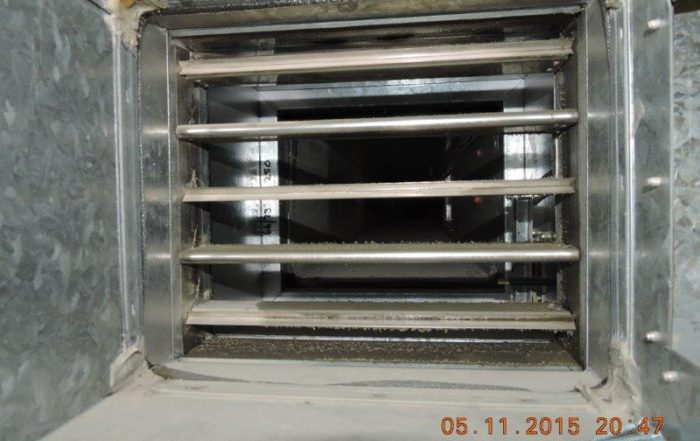
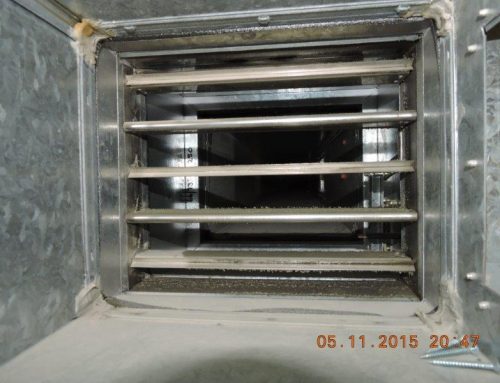
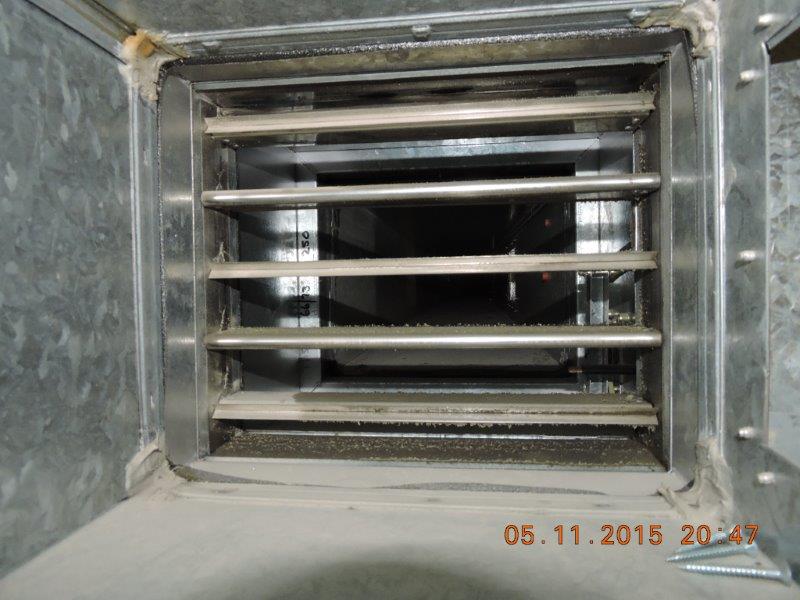
Kitchen extract systems remove grease-laden particles, smoke, heat, and cooking odours from the kitchen environment. Over time, grease deposits build up within the canopy, filters, ductwork, and extract fan. Left unchecked, this accumulation can become a significant fire risk and may affect the performance of your ventilation system.
Why Kitchen Extract Cleaning Frequency Matters
Grease is highly combustible, and even a relatively thin layer within ductwork can contribute to the ignition and rapid spread of fire throughout a building. Getting cleaning frequency right is not simply about good housekeeping. It is a core part of your fire safety strategy, your insurance position, and your legal compliance obligations as a responsible person.
TR19® Grease Recommended Cleaning Frequencies
Did you know? TR19 Grease, the industry-recognised specification published by the Building Engineering Services Association, was co-authored by our own Managing Director, Gary Nicholls, and provides clear guidance on how often systems should be professionally cleaned.
The recommended cleaning frequency is based on the number of hours your kitchen operates each day, as set out in the table below.
| Usage Level | Operating Hours | Recommended Cleaning Frequency |
|---|---|---|
| Heavy use | 12 to 16 hours per day | Every 3 months |
| Moderate use | 6 to 12 hours per day | Every 6 months |
| Light use | 2 to 6 hours per day | Every 12 months |
| Solid fuel cooking | Variable | More frequent, due to combustible deposits from charcoal and wood-fired cooking |
These are general guidelines under TR19 Grease. A site-specific assessment will confirm the appropriate frequency for your kitchen.
Not Sure How Often Your Kitchen Should Be Cleaned?
Use our free compliance checker to find out whether your current cleaning schedule meets TR19 Grease requirements.
Check Your Compliance Call Us – 0800 243471Understanding the 200 Micron Grease Limit
Did you know? TR19 Grease requires deposits to be controlled within an average of 200 microns across the surface of the ductwork, roughly half the thickness of a standard business card. Even a layer this thin can pose a serious fire risk, particularly in warmer weather when fire can take hold more easily.
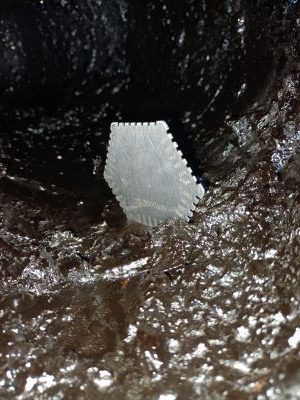
A Wet Film Thickness Test can be carried out on your system to ascertain the thickness of the oil deposits. It uses a Wet Film Thickness Test gauge which is a small precision-toothed metal tool which can provide quantifiable data on the amount of grease in your system.
Why Is TR19® Grease Compliance Important?
Grease is highly combustible. Even a relatively thin layer of grease within ductwork can contribute to the ignition and rapid spread of fire throughout a building. TR19® Grease was developed specifically to help building owners and operators manage this risk through measurable cleanliness standards and regular inspection and cleaning.
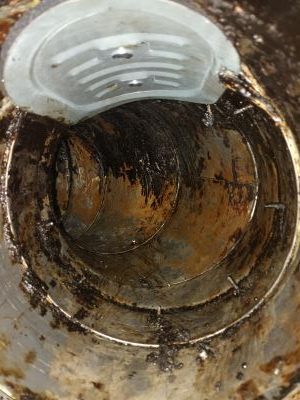
In addition to fire safety, maintaining a compliant extract system can help to support compliance with fire safety legislation, improve extraction performance and airflow, reduce energy consumption and maintain a cleaner, healthier kitchen environment. Most importantly, it will ensure you meet insurer requirements.
Many insurers now expect evidence that kitchen extract systems are being cleaned in accordance with TR19® Grease recommendations. Failure to provide this evidence could affect the outcome of an insurance claim following a fire.
Is Frequency Alone Enough?
Not always.
While the TR19® Grease frequency guidelines provide an excellent starting point, every kitchen is different. Factors such as cooking methods, menu type, operating hours, volume of covers served, and system design can all affect the rate at which grease accumulates. High-volume frying operations, for example, may require more frequent cleaning than a kitchen operating for similar hours but producing less grease.
TR19® Grease also introduced measurable cleanliness standards. Where grease deposits exceed acceptable levels, cleaning may be required sooner than the standard interval. Professional inspections can help determine whether your current cleaning schedule remains appropriate.
How Swift Fire Compliance Can Help Your Kitchen
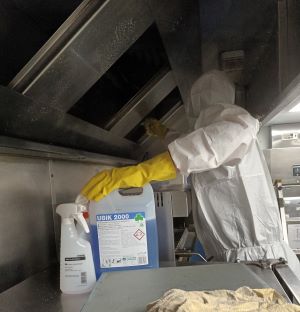
At Swift Fire Compliance, we provide specialist kitchen extract fire safety cleaning services carried out in accordance with TR19® Grease. Our experienced technicians clean and inspect the entire system, including canopies, filters, ductwork, risers, and extract fans, helping you demonstrate compliance and reduce fire risk.
Following every clean, we provide a detailed post-clean report with photographic evidence and a compliance certificate, giving you the documentation needed to satisfy insurers and support your wider fire safety obligations.
Whether you operate a school kitchen, restaurant, healthcare facility, hotel, stadium, or food production site, we can help you establish the right cleaning frequency for your operation and provide the certification and reporting needed to support your compliance responsibilities.
If you’re unsure when your system was last cleaned or whether your current cleaning schedule is sufficient, our team can help assess your requirements and ensure your kitchen extract system remains safe, compliant, and operating efficiently.
Your Kitchen Extract Cleaning Questions Answered
If your system is newly installed, or you’ve taken over a premises without any maintenance records, it can be difficult to determine its cleaning history. In these cases, we recommend carrying out a grease thickness assessment. This will help establish whether grease deposits have built up to a level that could pose a fire risk.
A good starting point is to check for access doors along the ductwork, which are typically installed to allow for regular cleaning and inspection. However, visual checks alone are not enough to confirm compliance. The most reliable approach is to measure grease levels within the system to ensure they have not reached dangerous thresholds. It’s also important to review your insurance policy requirements, as these may specify acceptable cleanliness standards.
To confirm your coverage, you should review your insurance policy’s terms and conditions carefully. Most insurers outline specific requirements for cleaning frequency, documentation, and certification.
If your policy references TR19® Grease guidelines, you must ensure that cleaning is carried out by a competent and accredited contractor. Using a specialist aligned with recognised schemes, such as the BESA Ventilation Hygiene Register (VHR), can help ensure compliance and protect your cover in the event of a claim.
A Wet Film Thickness Test shows grease deposits above the 200 micron average set out in TR19 Grease, the system should be cleaned as soon as possible, regardless of when it is next scheduled. Exceeding this threshold significantly increases fire risk and may also affect your insurance position if a claim were to arise before the system is brought back into compliance.
About the Author: Martin Hembling