In our latest blog, we delve into an age-old question: Why are access doors essential in kitchen extract systems? We also tackle a frequently asked follow-up: Why doesn’t my kitchen extract system have access doors installed? We explore these important topics and uncover the reasons behind the design of kitchen ventilation systems. Your kitchen’s efficiency and safety depend on it!
Commercial Kitchen Extract Systems Work Hard.
Every day, airborne grease, oil vapours and cooking residues are drawn through the canopy and into the ductwork. Over time, those deposits can accumulate on internal surfaces, creating a significant fire risk if not properly controlled.
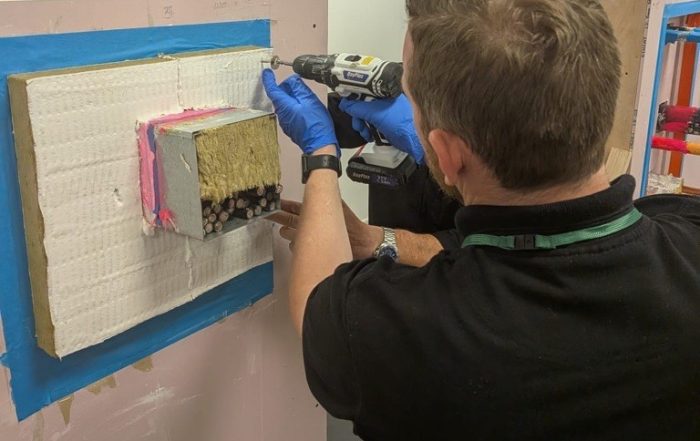
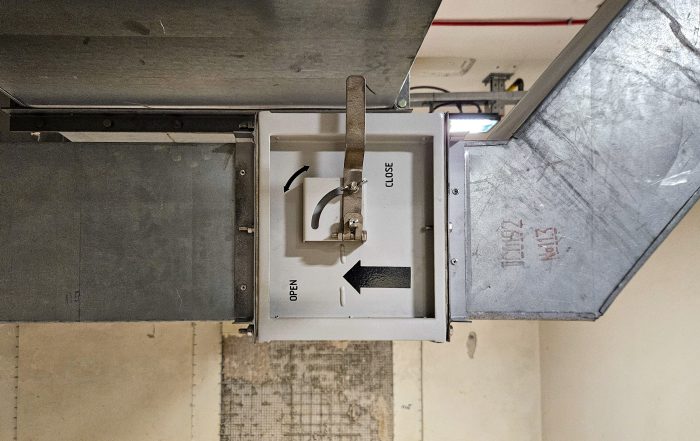
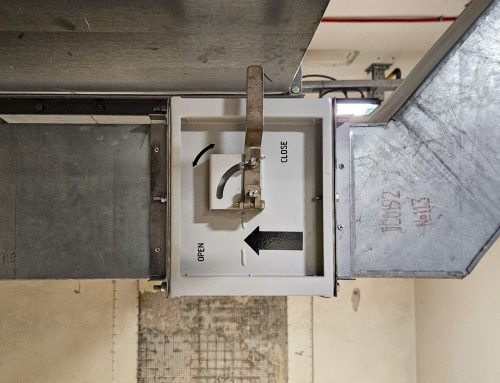
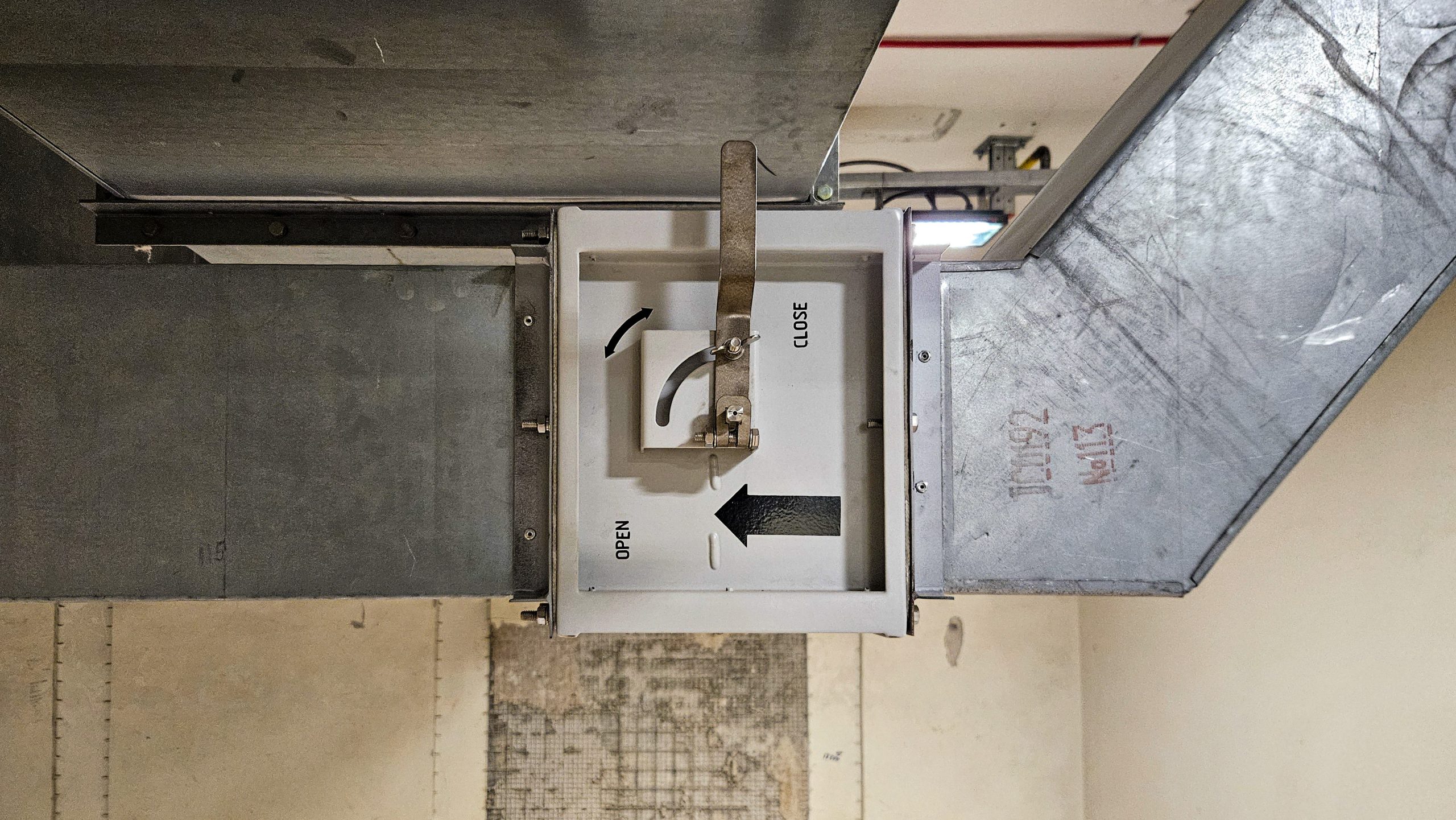
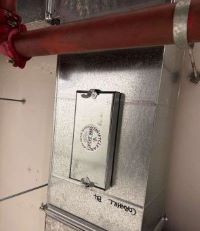
For a kitchen extract system to be cleaned effectively in line with TR19® Grease, technicians need safe and practical access to the internal surfaces of the ductwork. That is where access doors, sometimes referred to as access panels, become essential.
You Cannot Clean What You Cannot Reach
Kitchen extract ductwork is frequently concealed above ceilings, behind walls, inside risers or within roof voids. Simply cleaning the canopy, filters and the ductwork immediately behind them does not mean the complete system has been cleaned.
BESA explains that without suitable access, thorough inspection and effective cleaning can be impossible, potentially leaving hidden grease deposits within the system. TR19® Grease therefore requires suitable access panels throughout the ductwork, with BESA guidance stating:
‘Access openings for cleaning purposes are generally required at a maximum of 2 metre centres and/or at each change of direction to enable head and shoulder access. This distance should be reduced where the size of the duct prevents adequate cleaning by hand, where there are several changes in direction or where other external features restrict the positioning of panels.’
The location and number of doors will depend on the design and size of the system. Changes of direction, branches, either side of components such as fans, internal obstructions and other difficult-to-reach areas are all typical locations where access is required.
Don’t assume your kitchen extract system is fully accessible. Ask your cleaning contractor to identify any areas of ductwork that cannot be safely inspected or cleaned and whether additional access doors are recommended.
What does an access door allow a cleaning contractor to do?
Suitable access provides technicians with the opportunity to:
- Inspect internal ductwork surfaces
- Measure grease deposits
- Physically remove accumulated grease
- Clean areas that cannot be reached from the canopy
- Inspect difficult sections of the system
- Take photographic evidence before and after cleaning
- Identify defects or maintenance issues
- Verify the condition of the system following cleaning
| Activity | Why It Matters |
|---|---|
| Inspect internal ductwork surfaces | Confirms the actual condition of the system beyond what is visible from the canopy |
| Measure grease deposit thickness | Provides objective, quantifiable data on contamination levels against TR19 Grease standards |
| Physically remove accumulated grease | Reduces fire risk and restores system performance throughout the duct run |
| Clean areas inaccessible from the canopy | Ensures the full system is cleaned, not just the sections within easy reach |
| Take photographic evidence before and after | Supports the post-clean verification report and provides evidence of compliance |
| Identify defects and maintenance issues | Flags problems that might otherwise go undetected until they cause a failure |
Without access doors in the right locations, a cleaning contractor may be able to clean the accessible portions of the system but cannot verify the condition of concealed sections or confirm that grease deposits throughout the duct run have been brought within TR19 Grease standards.
Why Does This Matter for TR19® Grease?
TR19® Grease is the recognised industry specification for managing the fire risks associated with grease accumulation in commercial kitchen extraction systems. It sets out best practice for inspection, cleaning and verification.
If sections of ductwork cannot be physically accessed, technicians may be unable to inspect, clean and verify those areas properly. In practical terms, inadequate access can prevent a contractor from demonstrating that the complete accessible system has been cleaned to the required standard.
Installing suitable access doors isn’t therefore just about making the cleaner’s job easier. It enables the system to be maintained properly throughout its working life.
Why Grease is a Fire Risk
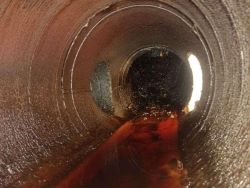
The reason this matters is simple: accumulated grease is combustible.
BESA highlights that grease residues within kitchen extract ductwork are highly flammable and, if not adequately maintained, can allow fire to spread through the duct system rapidly, and potentially into other areas of a building.
This fits into the wider UK approach to workplace fire safety. HSE guidance emphasises the importance of identifying sources of fuel and ignition and putting suitable precautions in place to reduce the likelihood and spread of fire.
In England and Wales, the Regulatory Reform (Fire Safety) Order 2005 places duties on the Responsible Person to assess fire risks and implement appropriate fire precautions in non-domestic premises. A poorly maintained grease extract system can therefore represent much more than a hygiene problem; it can form part of the building’s overall fire-risk management.
Proper Access Means a More Defensible Clean
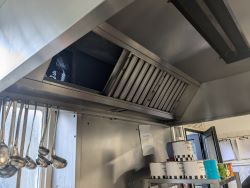
A professional kitchen extract clean should leave the client with confidence that the system has been properly inspected, cleaned and documented. Where access doors are missing, there may be sections that simply cannot be reached or monitored.
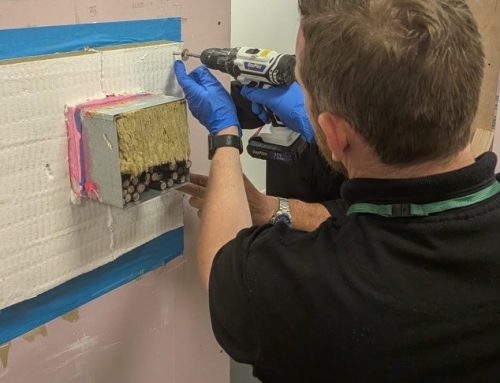
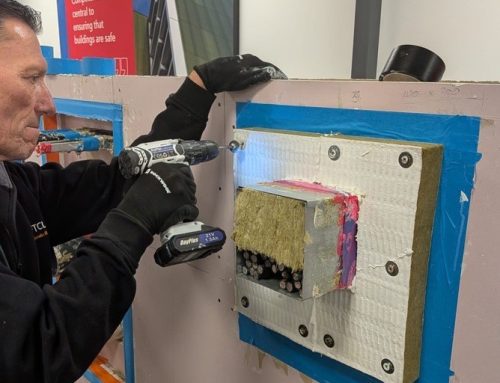
Installing appropriately positioned access doors allows technicians to reach inside the system, remove grease deposits and gather the evidence required to demonstrate the work completed.
At Swift Fire Compliance, we believe compliance should be clear. If inadequate access is preventing your kitchen extract system from being properly cleaned to the TR19® Grease specification, identifying and resolving those access issues is an important step towards a safer, cleaner and more compliant system.
Need advice on kitchen extract cleaning, TR19® Grease compliance or additional access doors? Contact Swift Fire Compliance to discuss your system.
Why Do Some Kitchen Extract Systems Lack Access Doors?
It is a question that kitchen managers and facilities teams encounter regularly: if access doors are so important, why do so many systems not have them installed in the right locations?
The most common reasons include:
Original installation design – Access door requirements may not have been fully considered when the system was originally specified and installed, particularly in older buildings or where the extraction system was installed before TR19 Grease became the recognised standard.
Refurbishment and alteration – Changes to kitchens, ceiling layouts and building fabric over time can cover or obstruct existing access panels, or create new sections of ductwork that were never provided with access.
Cost at installation stage – Access panel installation adds cost to the original fit-out. In some cases, decisions were made to omit or reduce access provision to control upfront costs, without fully accounting for the ongoing maintenance implications.
Lack of awareness – In some cases, building owners and operators are simply unaware that their system lacks adequate access until a cleaning contractor identifies the issue during a visit.
Identifying inadequate access and installing appropriately positioned access doors is an important remedial step that improves both the safety and the compliance position of the building going forward.
Arrange Your Kitchen Extract Assessment
Concerned about grease build-up, inadequate access or the condition of your kitchen extract system? Contact Swift Fire Compliance to discuss your requirements with our experienced team.
Arrange an AssessmentYour Kitchen Extract Access Door Questions Answered
How many access doors does a kitchen extract system need?
TR19 Grease and BESA guidance requires access openings at a maximum of 2 metre centres along the duct run and at each change of direction, to allow for head and shoulder access. This spacing may need to be reduced where the duct is smaller, where there are multiple changes of direction close together, or where other features make cleaning more difficult. The exact number and positioning will depend on the design of your specific system and should be assessed by a qualified cleaning contractor.
Can a kitchen extract system be cleaned without access doors?
Only partially. A cleaning contractor can clean the canopy, filters and the immediately accessible section of ductwork behind them. However, without access doors at appropriate intervals throughout the duct run, sections beyond the immediate canopy area cannot be safely reached, inspected, cleaned or photographed. This means grease can accumulate in those hidden sections without being identified or removed, and a full TR19 Grease compliant clean and post-clean verification report cannot be produced.
Who is responsible for ensuring access doors are installed?
The responsibility for maintaining the kitchen extract system in a condition that allows it to be properly inspected and cleaned sits with the Responsible Person under the Regulatory Reform (Fire Safety) Order 2005. Where access doors are missing or inadequate, the Responsible Person should arrange for them to be installed as part of the building’s fire risk management programme. A cleaning contractor who identifies inadequate access during a visit should record this in the inspection report with recommended next steps.
What should I do if my cleaning contractor says my system is not fully accessible?
Ask them to record the inaccessible sections clearly in the post-clean verification report, with their assessment of the risk and a recommendation for how access should be improved. You should then arrange for access panels to be installed in the recommended locations before the next clean. Leaving known inaccessible sections unresolved means grease accumulation in those areas cannot be managed, monitored or evidenced, and your compliance position is incomplete.
Does installing access doors affect the fire resistance of the ductwork?
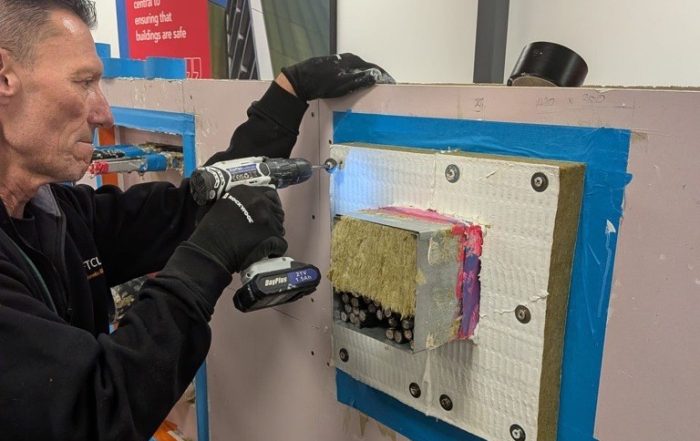
Access doors in kitchen extract ductwork must be specified and installed correctly to maintain the integrity of the system. In ductwork that passes through fire-resisting construction, access panels must be fire-rated to the same standard as the surrounding duct. Where access is provided in sections of ductwork that do not penetrate fire-resisting construction, standard access panels are typically used. A qualified contractor can advise on the appropriate specification for your system.
About the Author: Martin Hembling