Fire damper testing is often treated as a simple maintenance task: find the damper, make sure it closes, reset it to the open position, and record the result. But a fire damper is not an isolated piece of equipment. It protects an opening where ventilation ductwork passes through a fire-resisting wall or floor. That makes it an important part of the building’s fire compartmentation.
Done properly, fire damper testing provides more than proof that a set of blades can move. It provides evidence about whether the building can restrict the spread of fire and smoke as intended.
This blog explores why fire damper testing should be understood as compartmentation evidence, what that means in practice, and what responsible persons and facilities managers should be asking for from their testing contractor.
What is Compartmentation?
Compartmentation divides a building into fire-resisting sections using walls, floors, doors and other protective measures. Its purpose is to slow the spread of fire and smoke, protect escape routes and give occupants more time to leave safely.
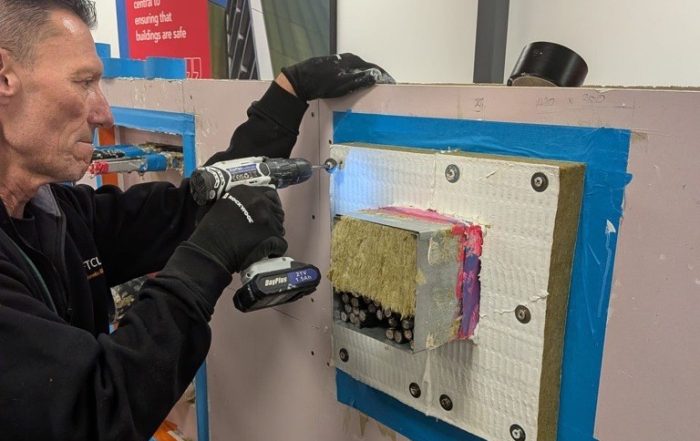
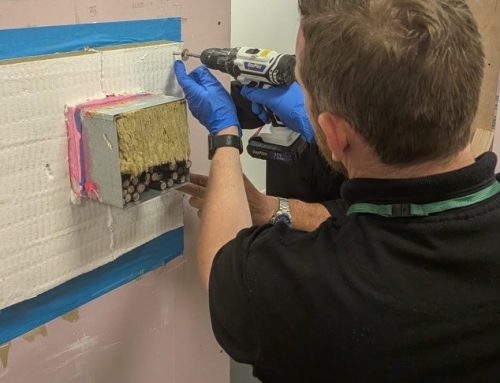
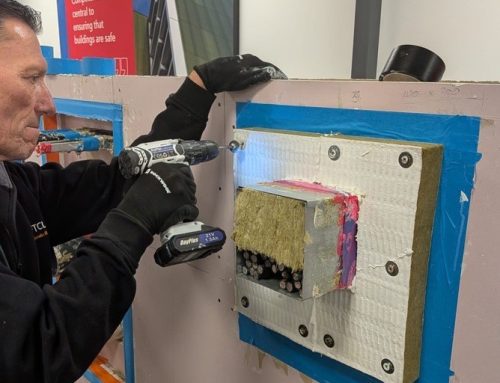
When ductwork passes through a compartment wall or floor, it creates an opening in that barrier. A correctly selected and installed fire damper is designed to close that opening during a fire. This is why the damper and the surrounding construction must be considered together.
Key point: A fire damper is not a standalone safety device. It is part of a compartment boundary. Its performance can only be properly assessed in the context of the wall or floor it sits within, the ductwork it is attached to, the seal around the opening, and the building’s overall fire strategy.
A Closing Damper Does Not Tell the Whole Story
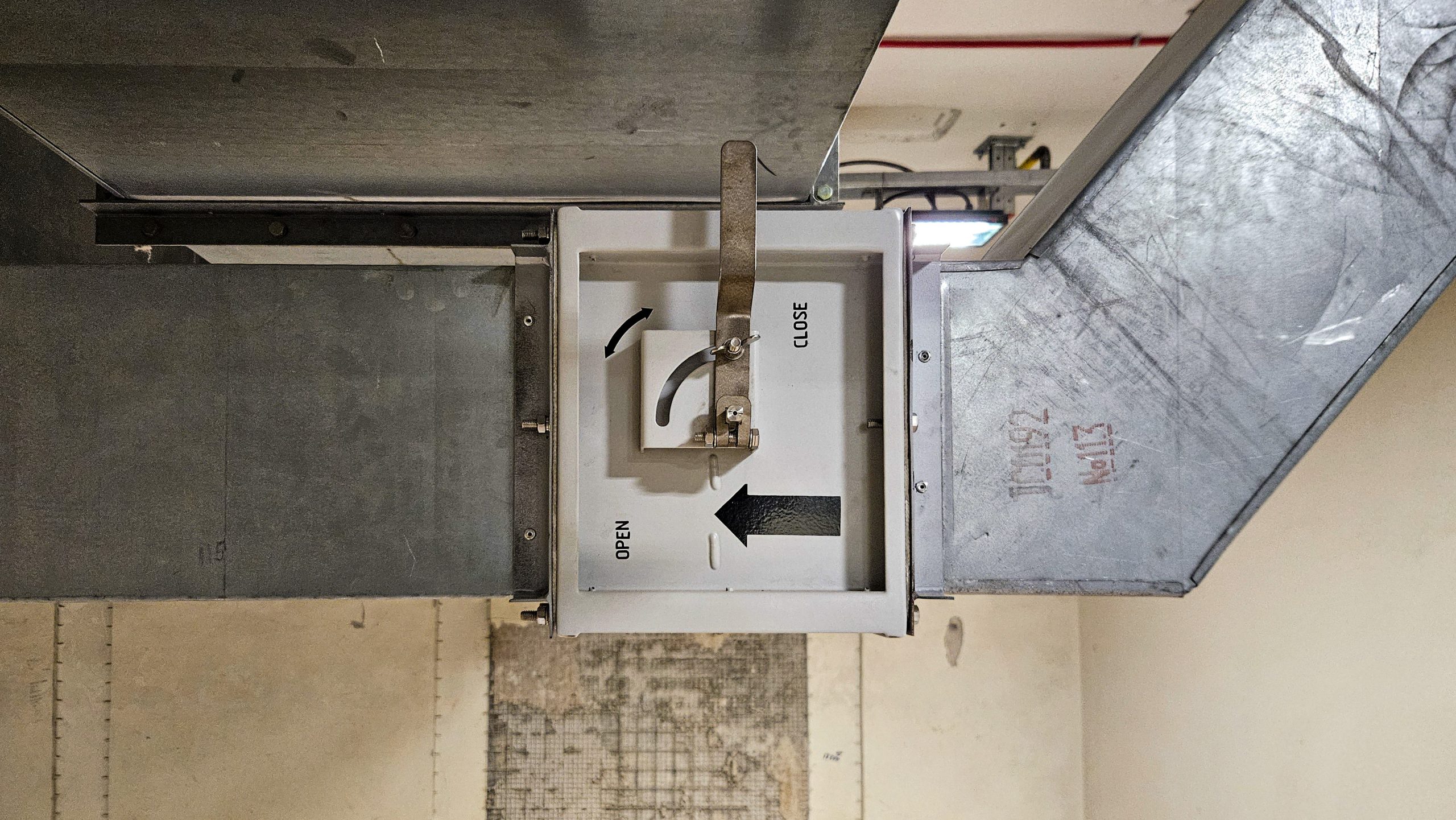
A damper may close during a function test, but that does not automatically prove the complete installation is suitable.
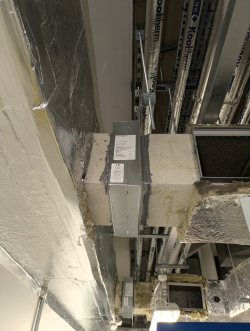
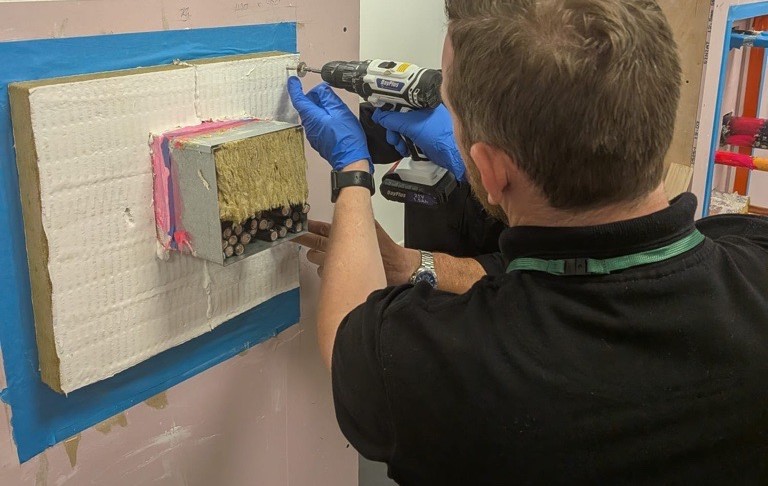
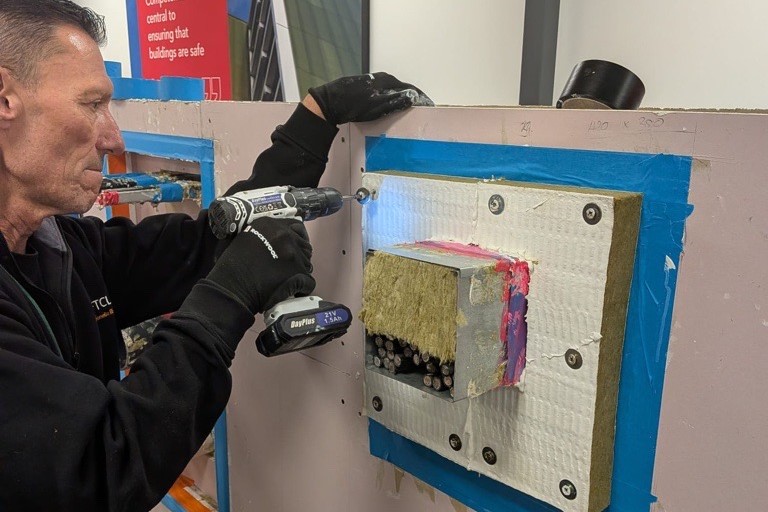
It is still important to confirm that the damper is suitable for the wall, floor and duct arrangement, installed in the correct position and orientation, properly sealed around the opening, supported by suitable ductwork, safely accessible for testing and repair, and correctly matched to the building’s asset records.
If these points are not considered, a ‘pass’ may prove only that the blades moved on the day, not that the compartment boundary will perform as intended in the event of a fire.
DW 145 is the BESA guide for fire and smoke damper installation, revised in 2024. It covers design, installation, inspection, and maintenance, focusing on:
- Proper selection and access.
- High installation quality.
- Clear documentation.
- Competent inspection.
The guide emphasises thorough testing beyond simple ‘pass’ or ‘fail’ results, backed up with a compliant post-clean verification report, and this report should clearly separate the operational result from wider installation observations.
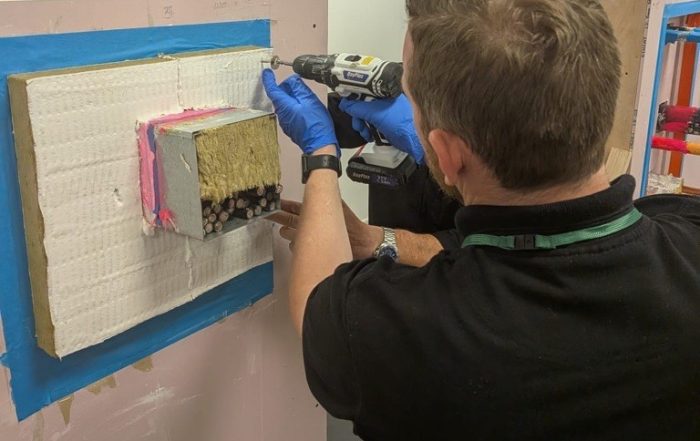
For example, a damper might operate correctly but have a visible gap in the surrounding seal. It would be misleading to present the whole installation as compliant simply because the blades closed.
Equally, a routine maintenance test is not necessarily a full intrusive inspection of every concealed fixing or fire-stopping detail. Any limitations should be stated clearly so that the test result is not given more meaning than the evidence supports.
Important: A damper that closes correctly but has a visible gap in the surrounding fire-stopping seal does not represent a compliant installation. Presenting the whole penetration as satisfactory simply because the blades closed would be misleading. A competent testing report should distinguish clearly between the operational result and the wider installation observations.
What Building Managers and Responsible Persons Should Ask For
Responsible persons, facilities teams and property managers should expect more than a test certificate; they should ask for an accurate asset register, clear photographs, details of inaccessible dampers, visible installation concerns and prioritised remedial actions.
The findings should also be considered alongside the building’s fire strategy, compartmentation drawings and previous inspection records. Where the surrounding installation cannot be verified, further specialist investigation may be needed.
This is particularly relevant in buildings that have undergone refurbishment, where original compartment lines may have been altered, services rerouted, or access panels covered over.
How Swift Fire Compliance Approaches Fire Damper Testing
At Swift Fire Compliance, we understand that our role is not simply to test dampers and issue a certificate. It is to help responsible persons, facilities teams and property managers build and maintain an accurate, evidenced picture of their building’s fire compartmentation at every duct penetration point.
Our engineers are trained to assess the whole installation, not just the mechanical operation of the damper. Every visit produces a post-visit verification report that separates operational results from installation observations, identifies inaccessible dampers with recommended next steps, and provides prioritised remedial actions where concerns have been found.
We work with clients across a wide range of sectors including commercial offices, healthcare, social housing, education, and high-security sites, bringing the same rigour to every building regardless of its size or complexity.
The Simple Conclusion
Fire dampers protect openings in fire-resisting walls and floors. Testing them should therefore form part of the evidence that the building’s compartmentation is being maintained.
The most valuable outcome is not simply a certificate stating how many dampers were tested. It is a clear record showing what exists, where it is, whether it operated, what condition it was in and what needs to happen next.
That is why fire damper testing is really compartmentation evidence.
Swift Fire Compliance helps responsible persons, facilities teams and property managers turn fire damper inspections into clear, practical compliance records. Contact us to discuss fire damper testing, asset surveys or remedial priorities.
Turn Your Fire Damper Inspections into Clear Compliance Records
Swift Fire Compliance helps responsible persons and facilities teams build accurate, evidenced compartmentation records from every fire damper inspection. Get in touch to discuss testing, asset surveys or remedial priorities.
Speak to Our Team Call Us: 0800 243471Your Fire Damper Testing and Compartmentation Questions Answered
What is the difference between a fire damper function test and a compartmentation inspection?
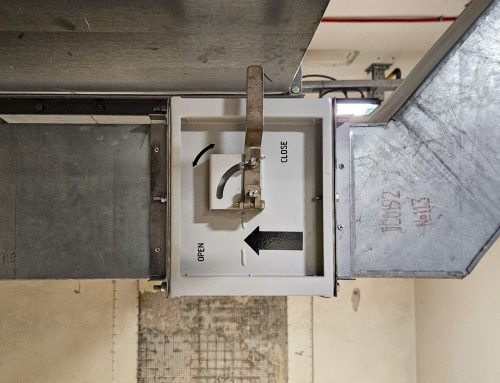
A function test confirms that the damper’s mechanical components operate correctly, specifically that the blades close when triggered and can be reset. A compartmentation inspection goes further, assessing the suitability of the installation for its specific application, the condition of the surrounding fire-stopping, the accessibility of the damper for future testing, and whether the installation matches the building’s fire strategy documentation. Both are needed for a complete picture of whether compartmentation is being maintained.
What is DW145 and why does it matter for fire damper testing?
DW145 is the Building Engineering Services Association’s guide to good practice for the design, selection, installation, inspection and maintenance of fire and smoke dampers, revised in 2024. It provides the recognised industry framework for what competent fire damper testing should involve, including how results should be documented and how operational test results should be distinguished from wider installation observations. Contractors working to DW145 provide a more reliable and useful record than those who simply record pass or fail results.
What should a post-visit verification report include for fire dampers?
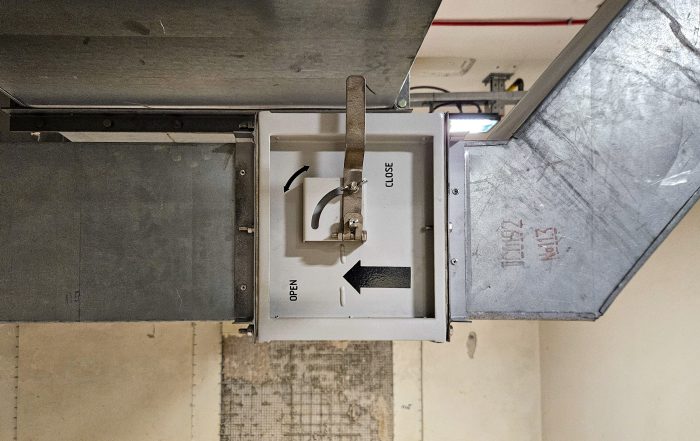
A compliant post-visit verification report should include a unique identifier and accurate location for every damper within scope, the result of the function test for each damper, photographic evidence showing the damper in both open and closed positions, details of any dampers that could not be accessed or tested with recommended next steps, visible installation observations noted separately from the test result, and a prioritised list of remedial actions where issues have been identified.
What happens if a fire damper is inaccessible during testing?
An inaccessible damper cannot be function tested and therefore cannot contribute to the building’s compartmentation evidence. Its location and the reason for inaccessibility should be clearly recorded in the inspection report, along with a recommended remedial action, which typically involves installing a suitable access panel. The responsible person should arrange for this to be resolved and the damper retested. Leaving inaccessible dampers unresolved is not an acceptable compliance position.
How often does fire compartmentation need to be reviewed?
Fire dampers within compartment walls and floors should be function tested at least annually under BS 9999:2017, with more frequent testing in environments where dust or contamination may affect performance. However, the fire compartmentation strategy for the building as a whole should be reviewed whenever significant changes occur, including refurbishment work, changes to services, alterations to the building layout, or where inspection findings suggest that compartment lines have been compromised.
About the Author: Richard Crews