Fire dampers are essential for maintaining building safety and fire protection. They can help prevent fires from spreading through ductwork, supporting the fire-resisting walls and floors that divide your building into compartments. But for this protection to work as intended, fire dampers must be installed correctly.
Whether you are planning a new installation or refurbishment, there are several checks to make before the work is signed off. In this blog, we will cover what to look for when installing fire dampers, common installation problems and any records you should keep.
Why are Fire Dampers Required?
A fire damper is usually needed when ducts pass through fire-resisting walls or floors. A building’s fire safety strategy and ventilation plan should assess the location and specification of these, including whether leakage performance is needed.
There is no single installation method suitable for every damper, which means the requirements can vary depending on the product, manufacturer, construction and system.
Fire dampers are available in different types, including curtain blade dampers, multi-blade dampers and intumescent dampers. The correct type will depend on the ductwork, fire strategy, required fire performance and manufacturer’s tested installation details.
Swift Fire Compliance’s Fire Damper Installation Checklist
The installation of fire dampers should include these checks:
· Confirm the specification. Check the type, size, fire performance and operating mechanism against the design.
· Check location and orientation. Confirm the compartment boundary and permitted wall or floor mounting arrangement.
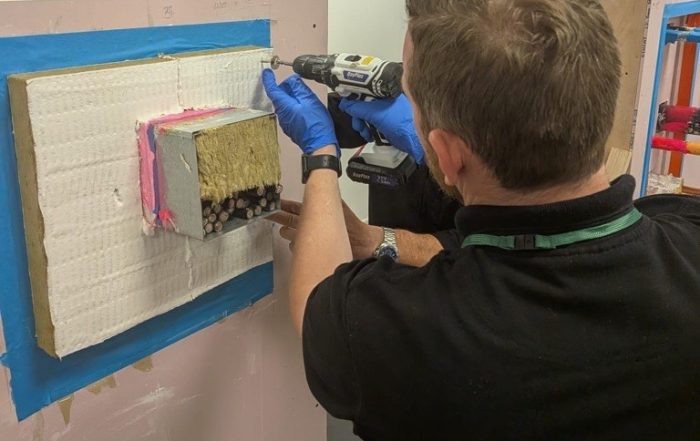
· Follow manufacturer instructions. Use the tested method for the specific product and construction.
· Check supports, fixings and positioning. Include any provisions needed for duct movement.
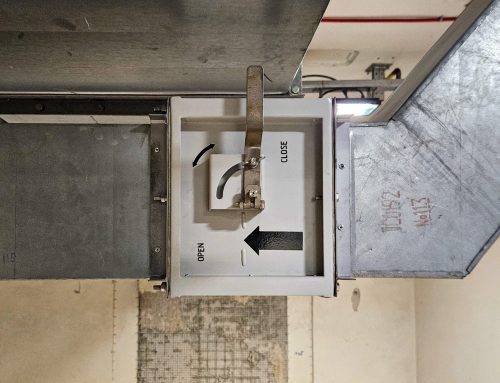
· Maintain access. Ensure the damper and mechanism are accessible for testing and maintenance.
· Check surrounding construction. Verify wall or floor type, thickness and opening details.
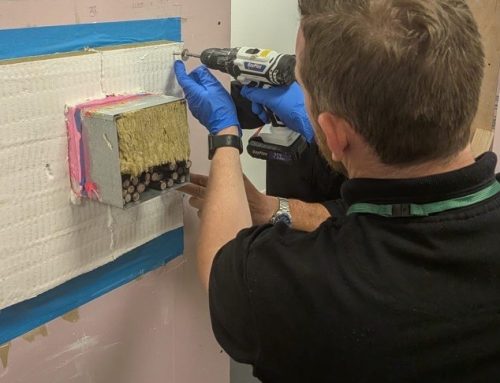
· Check fire stopping. Seal surrounding gaps using an appropriate tested system compatible with the installation.
· Inspect for damage. Look for distorted casings, damaged seals and debris following other works.
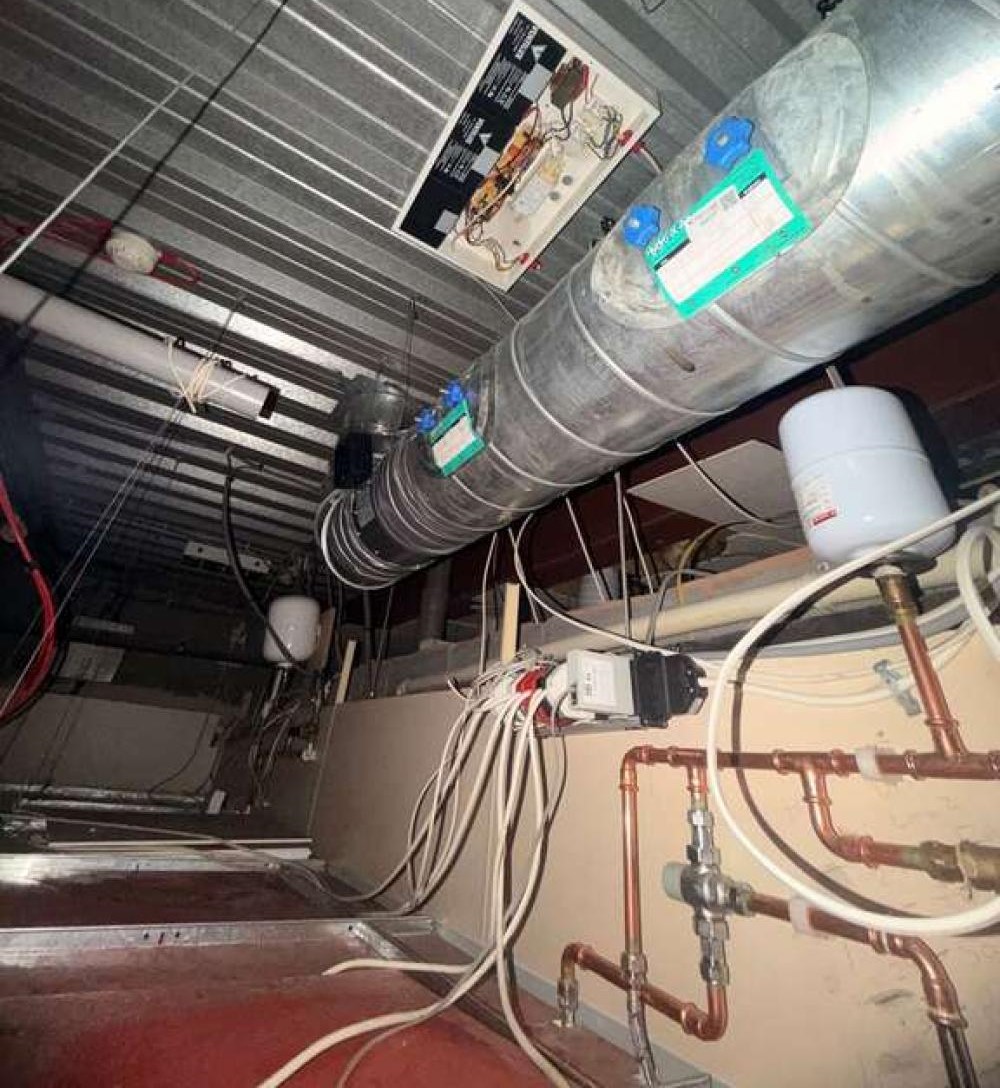
· Identify and record dampers. Link each record to its location and product details.
· Arrange inspection and testing. Use competent personnel and the applicable procedure.
· Keep documentation. Retain installation records, product information, photographs and test results.
Swift Fire Tip: We recommend taking photos of the supports, fixings and penetration seals before they are concealed. Check access again after ceilings and nearby services are completed.
What Should Be Included in Handover Records?
At completion, the installer or contractor should provide clear records for the building owner, facilities manager or Responsible Person.
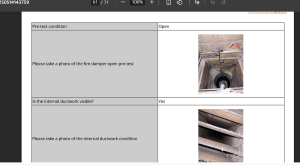
These may include:
- A fire damper schedule or asset register.
- Unique damper references.
- Locations and system details.
- Product information.
- Manufacturer installation instructions.
- Photographs of installed dampers.
- Fire stopping details.
- Commissioning or function test results.
- Access arrangements.
- The next planned inspection date.
Clear handover information helps ensure that future testing and maintenance can be planned effectively.
Why is Access so Important?
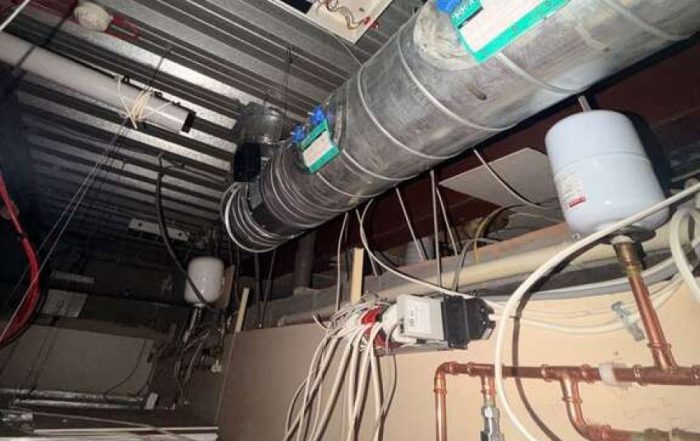
Fire dampers must be accessible for inspection, function testing and resetting. If access is restricted, it may not be possible to confirm that the damper can close and reset correctly.
Access panels should be positioned so that the damper, release mechanism and surrounding fire stopping can be inspected. They should also provide enough working space for a competent person to carry out testing safely.
Access should be checked again after ceilings, insulation and nearby services are completed. A damper that cannot be accessed cannot be fully verified.
Swift Fire Tip: Do not wait until the ceiling is closed to check access. Confirm that the access panel is in the correct position, large enough for testing and allows the damper to be inspected, function tested and reset safely.
Common fire damper installation problems
Even when a suitable fire damper has been selected, installation issues can affect its ability to perform as intended. The table below highlights some of the most common problems and what should be checked.
| Problem | Why it matters | What to check |
|---|---|---|
| Wrong orientation | May fall outside tested application | Permitted mounting arrangement |
| Inadequate fixing | Movement may affect performance | Specified supports and fixings |
| Unsuitable fire stopping | Fire may bypass the damper | Tested seal and construction |
| Restricted access | Prevents effective maintenance | Access and working space |
| Damage or debris | May obstruct closure | Blades, casing and mechanism |
Planning a fire damper installation or concerned about access? Speak to Swift Fire Compliance.
Book SurveyFire Damper Testing After Installation
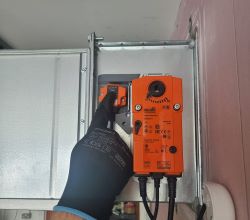
Fire dampers should be function tested after installation to confirm that they operate as intended.
A post-installation test should confirm that the damper closes fully, the release mechanism operates correctly and the damper can be reset. It should also check that the damper is accessible, correctly identified and that the surrounding fire stopping remains intact.
Testing should be documented, with the results retained alongside the installation records.
Arrange Fire Damper Installation Support
Swift Fire Compliance provides fire damper installation, inspection, testing and remedial services. Contact us today to discuss your project and arrange specialist support from our team.
If you need support with fire damper installation checks, access panels, testing, remedial works or compliance documentation, contact Swift Fire Compliance today. Our team can help you ensure your fire dampers are installed, accessible and ready for future inspection and testing.
Fire damper installation FAQs
How are fire dampers installed?
Follow the manufacturer’s tested arrangement for positioning, fixing, supports, duct connections and penetration sealing.
What should be checked after installation?
Check condition, access, identification, fire stopping and operation, including damage caused by subsequent works.
Do fire dampers need testing after installation?
Yes, they do. Arrange documented functional testing following manufacturer instructions and project requirements, alongside installation inspection.
What are the fire damper installation regulations?
The requirements vary by UK jurisdiction, the building and the work involved. In England, Approved Document B provides Building Regulations guidance, but no single standard covers every installation.
Arrange your installation today
Swift Fire Compliance provides fire damper installation, inspection, testing and remedial services. Contact us today to discuss your project and arrange specialist support from our team.
Arrange Fire Damper Installation Support
Swift Fire Compliance provides fire damper installation, inspection, testing and remedial services. Contact our team to discuss your project and arrange specialist support.
Book Survey Call Our Team – 0800 243 471About the Author: Mark Williamson