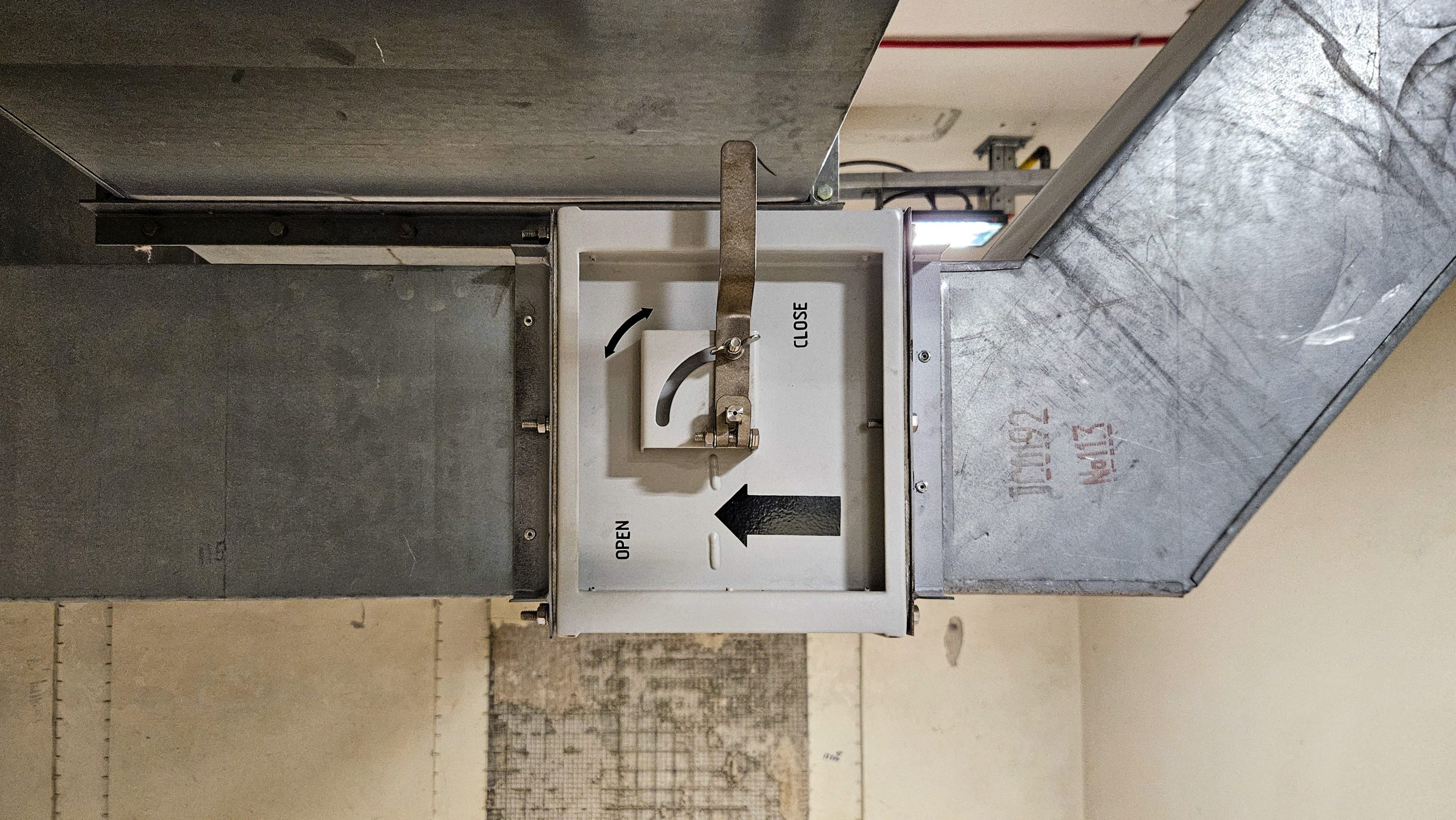
A kitchen extract canopy filter is the first line of defence against grease build-up in a commercial kitchen. When filters become clogged, airflow is restricted, extraction systems work harder, and grease can begin to accumulate within the ductwork and plenum, increasing fire risk and reducing system efficiency. Regular cleaning is a simple but essential part of kitchen extract maintenance.
This guide explains a general cleaning process for washable metal grease filters and when to seek professional support.
Step-by-Step Guide to Cleaning a Commercial Kitchen Extract Filter
Commercial kitchen extract filters are designed to capture grease, smoke and airborne contaminants before they enter the extraction system. Over time, these contaminants build up on the filter surface and must be removed through routine cleaning.
Here are the steps to clean a commercial kitchen extract filter safely and effectively. We also have a video below showing the process in action. Click here to jump to the video.
Step 1: Remove the Filter Safely
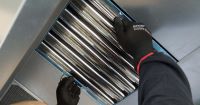
Before removing any filters, ensure the extraction system is switched off and has cooled down if recently in use.
Carefully remove the filters from the canopy. Depending on the system, these may be baffle filters, mesh filters or speciality grease filters. Always inspect them for signs of damage while they are out of the system.
Step 2: Soak in a Degreasing Solution

Fill a suitable sink, wash station or container with hot water and an appropriate degreasing detergent.
Place the filters into the solution and allow them to soak. This helps loosen stubborn grease deposits that have accumulated during kitchen operation.
The length of time required will depend on the level of contamination, but heavily soiled filters may need an extended soak.
Step 3: Clean Thoroughly

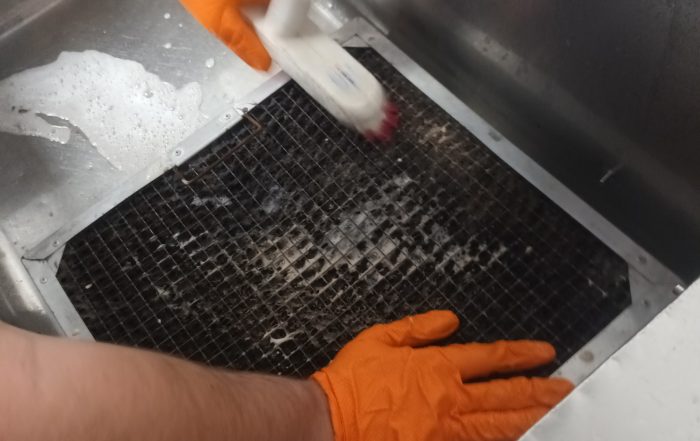
Using a non-abrasive brush, scrub the filter surfaces to remove grease and debris. Pay particular attention to corners, channels and areas where grease collects. We use bottle brushes of varying sizes and either copper or zinc scourers.
Avoid using harsh tools or methods that could damage the filter material or affect its performance.
Step 4: Rinse and Inspect
Rinse the filters thoroughly with clean cold water to remove any remaining grease and cleaning chemicals.
Once clean, inspect the filters carefully. If they remain heavily contaminated or show signs of damage, replacement may be necessary.
Step 5: Allow to Dry Completely
Before reinstalling the filters, ensure they are completely dry. Reinstalling wet filters can encourage contamination and may reduce extraction efficiency.
Once dry, refit the filters securely into the canopy. Remember not to cook with the filters out.
Swift Fire Compliance Tip: Clean filters are only part of the picture. Review your wider kitchen extract cleaning records too. A freshly cleaned filter does not confirm that the canopy, ductwork and fan are free from grease deposits.
Why Regular Cleaning Matters
Clean filters help maintain effective airflow throughout the extraction system, improve kitchen ventilation performance and reduce grease entering the ductwork.
Regular filter cleaning also supports compliance with industry guidance such as BESA TR19® Grease, which highlights the importance of controlling grease accumulation within kitchen extraction systems.
Neglecting filter maintenance can lead to reduced system efficiency, increased energy consumption and a greater risk of grease-related fires.
Is your kitchen extraction system compliant? Check your current compliance and find out if any action may be needed.
Check Your Compliance for FreeWatch the Video
Watch our accompanying video to see the filter cleaning process in action and learn how a simple maintenance routine can help protect your kitchen extraction system, improve performance and support ongoing compliance.
Need Professional Kitchen Extract Cleaning?
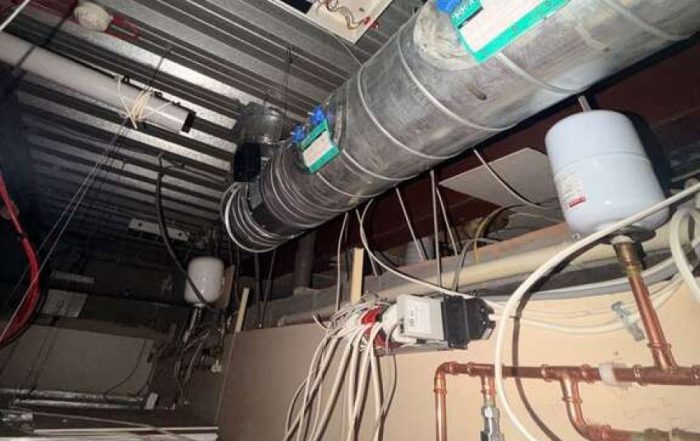
While regular filter cleaning is essential, it only addresses part of the extraction system. Grease can continue to accumulate within canopies, ductwork, access panels and fan units. Professional kitchen extract cleaning ensures the entire system is inspected and cleaned to the appropriate standard, helping to reduce fire risk and maintain compliance.
Contact us to discuss your kitchen extract cleaning requirements or to arrange a TR19® Grease inspection and clean.
Look Beyond the Filters with Swift Fire Compliance
Keep filter cleaning in your routine and make sure the rest of your extraction system receives attention too. Speak to our team about kitchen extract inspection and cleaning.
Call 0800 243 471 Get a Bespoke QuoteFAQs About Commercial Kitchen Extract Cleaning
How often should kitchen extract filters be cleaned?
Follow the manufacturer’s guidance and review how quickly grease accumulates during normal use. Some commercial systems require daily filter cleaning; others have different maintenance instructions. Increased cooking hours may mean the routine needs reviewing.
Should damaged grease filters be put back into service?
Do not assume a damaged filter will continue to perform correctly. Have it assessed and obtain a suitable replacement where necessary. Avoid cleaning methods that could distort or damage the filter.
Does cleaning the filters mean the whole extraction system is clean?
No. Filter cleaning does not remove deposits further along the extraction system. The canopy, ductwork and fan components need appropriate inspection and cleaning as part of the wider maintenance programme.
About the Author: Aaron Russell