It’s easy to think that you’re compliant with fire safety standards, but is that actually the case? The truth is that compliance isn’t a one-time thing: it requires proactive management, especially when it comes to things like fire damper testing regulations.
BS 9999, in particular, is one of the more misunderstood aspects of ensuring a fire-safe environment. You’ll see it discussed all the time, but it’s not actually a legal requirement. It provides practical, non-binding guidance.
In this post, we’ll take a closer look at BS 9999, including what it is, how it relates to fire safety systems, and what it means for fire damper installation regulations.
What Is BS 9999?
BS 9999 is a British standard relating to fire safety codes of practice for use in the design and management of buildings in the UK. It applies mostly to commercial and industrial buildings, as well as some residential buildings. Individual homes and specialised housing fall under different guidelines (BS 9991).
While it’s often discussed as a legal requirement, that’s not the case. Following BS 9999 is a good way for businesses to demonstrate that they’re fulfilling the duties of other legal requirements, such as the Regulatory Reform Fire Safety Order 2005, but it’s not an obligation.
Swift Fire Compliance Tip
Do not treat BS 9999 as a certificate of compliance. Use it alongside your fire risk assessment, building information, manufacturer instructions and the requirements of the Regulatory Reform (Fire Safety) Order 2005.
How BS 9999 Relates to Fire Safety Systems
BS 9999 offers guidance on the installation and management of many different factors and systems relating to fire safety systems in buildings. For example, BS 9999 offers guidance for the correct installation, testing, and maintenance of fire damper systems, compartmentation, ventilation systems, and inspection regimes.
Adhering to maintenance and keeping up-to-date documentation are important because it ensures that the system is working as it should. Failure to do so can put a business at risk of non-compliance with fire damper regulations UK, as well as increasing safety risk.
BS 9999 and Fire Damper Inspection and Testing
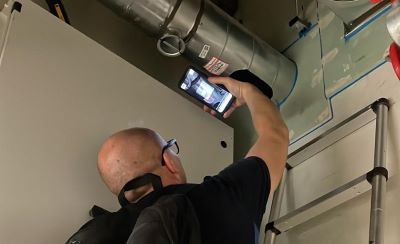
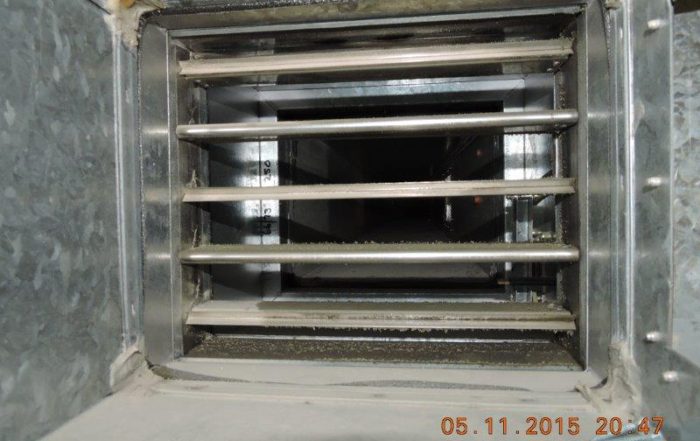
BS 9999 indicates that fire damper inspection and testing should take place once the system is first installed, as well as every twelve months after. It also highlights that dampers that are in dirty or dusty environments should be tested more regularly.
While BS 9999 offers guidelines, it doesn’t fulfill every testing and maintenance requirement. Adhering to fire damper regulations also involves relevant parties considering a wide range of other factors that can impact the effectiveness of fire dampers, including the building’s risk profile, system design, and manufacturer requirements. You can think of BS 9999 as a useful starting point that should be supplemented by other expertise.
Unsure Whether Your Fire Dampers Are Compliant?
Speak to our specialists about inaccessible dampers, failed tests, missing records or remedial works.
Check Your Compliance Call 0800 243 471Why Documentation Matters
Following BS 9999 guidance and maintaining up-to-date documentation are closely linked. The standard recognises that systems can only be demonstrated to be working correctly if there are clear records of inspection, testing and maintenance activity.
For responsible persons, the practical implication is straightforward. It is not enough to arrange fire damper testing and trust that it has been done correctly. The results of every test, the condition of every damper, any defects identified and the remedial actions taken must all be clearly recorded and retained.
In the event of a fire safety audit, an insurance claim or a regulatory investigation, the burden of proof falls on the responsible person. Without detailed, dated records, compliance cannot be demonstrated regardless of whether the underlying work was actually carried out.
Important: Keep a complete evidence trail
Keep your fire damper asset register, inspection reports, photographs, defect records, remedial-work details and retest results together. Clear records help demonstrate what was inspected, what was found and what action was taken.
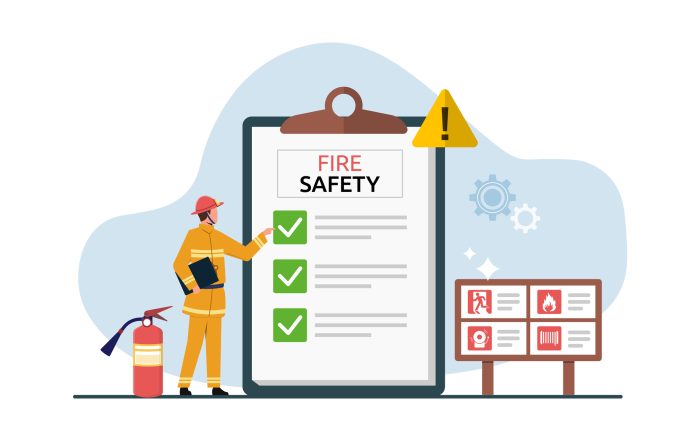
Practical Checklist Of Areas to Review When Assessing Fire Safety Compliance
When assessing fire safety compliance, it’s recommended for organisations to review:
- Fire risk assessment
- Is it clear who the Responsible Person is?
- Are there active fire safety systems in place?
- Are passive fire protection systems in place?
- Are fire dampers well-maintained and working?
- Is there a clear means of escape?
This checklist is a starting point, not an exhaustive assessment. A professional fire risk assessment and fire damper survey will provide a more detailed and site-specific picture of your compliance position.
Is Your Fire Damper Testing Up to Date?
Speak to Swift Fire Compliance about fire damper testing, inspections and remedial works.
Book Fire Damper Testing Call 0800 243 471How Swift Fire Compliance Can Help

At Swift Fire Compliance, we work with responsible persons, facilities managers and building owners to support compliance with BS 9999 and the Regulatory Reform (Fire Safety) Order 2005 through professional fire damper testing, installation and remedial works.
Our directly employed engineers carry out fire damper function testing, produce detailed post-visit verification reports, identify defects and access issues, and carry out the remedial works needed to restore compliance. Every visit is documented with photographic evidence and a clear asset record, giving responsible persons the audit trail they need to demonstrate compliance at any time.
Whether you need a one-off fire damper survey to establish your current compliance position, or an ongoing planned testing programme to keep your building up to date, our team is ready to help.
If you need any help adhering to BS 9999, or are looking for fire damper installation, testing, or maintenance services, then don’t hesitate to get in touch with a member of the team here at Swift Fire Compliance by calling 0800 243 471.
Your BS 9999 Fire Safety Compliance Questions Answered
Is BS 9999 a legal requirement?
No. BS 9999 is a British Standard code of practice, not legislation. It is non-binding guidance. However, following it is widely recognised as a reliable way to demonstrate compliance with the Regulatory Reform (Fire Safety) Order 2005, which is a legal requirement. Fire safety inspectors and insurers frequently reference BS 9999 when assessing whether a building meets its legal obligations.
How often does BS 9999 require fire dampers to be tested?
BS 9999 recommends that fire dampers are function tested upon initial installation and at least every 12 months thereafter. In dirty or dusty environments, more frequent testing is recommended. The 12-month interval is a minimum, not a ceiling, and the appropriate frequency for your building should be confirmed through a professional assessment that considers your specific risk profile and building type.
Who is the Responsible Person under the Regulatory Reform (Fire Safety) Order 2005?
The Responsible Person is the individual or organisation with overall responsibility for the building and its fire safety measures. In a workplace, this is typically the employer. In a multi-occupied building, it may be the landlord, building owner or managing agent. The Responsible Person must ensure that a fire risk assessment is carried out, that fire safety measures are maintained, and that appropriate records are kept. This responsibility cannot be transferred by appointing a contractor.
What records should a building hold for fire damper compliance?
Buildings should retain a complete asset register of every fire damper, including its unique identifier, location and type. Post-visit verification reports from every testing programme should be kept, along with photographic evidence of each damper in open and closed positions, details of any defects or access issues identified, records of remedial works completed, and dates of future testing due. These records should be readily accessible for audits, insurance reviews and regulatory inspections.
Does BS 9999 cover fire damper installation as well as testing?
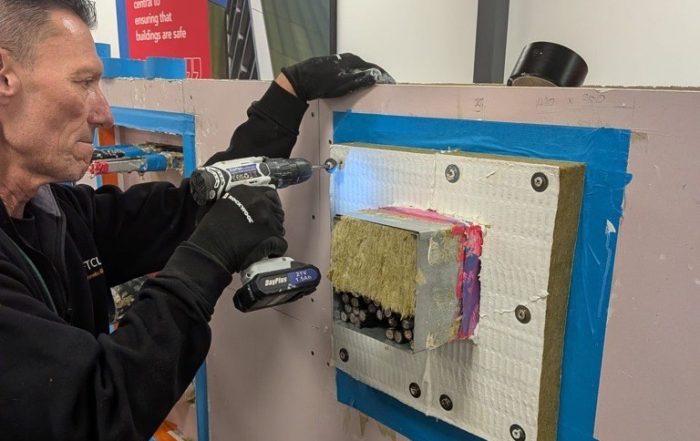
Yes. BS 9999 provides guidance on fire damper installation as well as ongoing inspection and testing. Correct installation is as important as regular testing – a damper that is incorrectly installed may fail to protect the compartment boundary even if it passes its function test. DW145, the BESA guide to fire and smoke damper installation revised in 2024, provides more detailed installation guidance that complements the framework set out in BS 9999.
Need Help With BS 9999 Compliance?
Swift Fire Compliance can help you establish the condition of your fire dampers, resolve defects and maintain clear evidence of inspection and testing.
Call 0800 243 471 Request a QuoteAbout the Author: Richard Crews