Schools are responsible for protecting the safety of hundreds, sometimes thousands, of pupils, staff, and visitors every day. Behind the scenes, a complex network of ventilation systems helps regulate airflow across classrooms, kitchens, sports halls, and administrative areas. Within these systems, fire dampers play a critical role in preventing the spread of fire and smoke.
However, these life-safety devices are only effective if they are regularly inspected and maintained. This is why fire damper testing for schools is not simply good practice. It is a key part of regulatory compliance and risk management.
Understanding the role of fire damper testing in schools can help facilities managers and school leaders ensure their buildings remain safe, compliant, and prepared in the event of a fire.
What Are Fire Dampers and Why Do Schools Need Them?
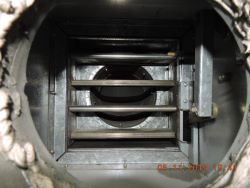
Fire dampers are safety devices installed inside ventilation ductwork. Their purpose is to automatically close when high temperatures are detected, slowing the spread of flames and smoke through duct systems into other areas of a building.
Schools typically contain large ventilation networks that connect:
- Classrooms
- Corridors
- Kitchens and dining halls
- Laboratories and workshops
- Sports facilities
- Staff areas and offices
Without functioning dampers, ventilation ducts can act like chimneys during a fire, allowing flames and smoke to travel rapidly between compartments.
This is particularly dangerous in schools, where safe evacuation procedures rely on containing fire long enough for pupils and staff to exit the building safely.
Proper fire and smoke damper testing ensures these devices will operate exactly as intended when needed.
The Importance of Fire Damper Testing in Schools
Fire damper testing is one of the most important maintenance activities within a school’s fire safety strategy. When systems are not inspected regularly, dampers may become stuck, obstructed, or damaged.
Common issues discovered during fire dampers testing include:
- Dampers jammed open due to dust or debris
- Damaged or missing fusible links
- Incorrect installation preventing closure
- Lack of access panels for inspection
- Corrosion or mechanical failure
If these problems go unnoticed, the dampers may fail during a fire, allowing flames and smoke to spread rapidly through the building.
In a school environment, this could lead to catastrophic consequences. Fires in educational facilities can cause severe structural damage, disrupt learning for months, and most importantly, put the lives of children and staff at risk.
Routine fire damper testing UK standards help prevent these risks by ensuring systems function correctly.
Fire Damper Testing Regulations for Schools
In the UK, several regulations and guidance documents govern the inspection and maintenance of fire dampers.
Key fire damper testing regulations include:
- Regulatory Reform (Fire Safety) Order 2005
- BS 9999: Code of Practice for Fire Safety in Buildings
- BS EN 15650: Fire Dampers Standard
- BESA TR19® specification for ventilation hygiene
Together, these standards form the basis of fire damper testing requirements for commercial and public buildings, including schools.
The regulations place responsibility on the Responsible Person (often the facilities manager, estates team, or governing body) to ensure fire safety systems are properly maintained.
Failure to comply with fire damper testing UK regulations could result in enforcement action, insurance complications, or increased liability if a fire occurs.
How Often Should Fire Dampers Be Tested in Schools?
One of the most common questions from facilities teams is:
How often should fire dampers be tested in schools?
Industry guidance generally recommends:
- Annual fire damper testing for most buildings
- More frequent testing in high-risk environments such as hospitals
Legally, schools must annually inspect and test their fire dampers to ensure compliance and safety.
During fire damper testing, specialists will:
- Locate and access each damper
- Physically test the closing mechanism
- Check fusible links and moving parts
- Inspect for damage or contamination
- Record results for compliance documentation
This creates an audit trail demonstrating that fire safety systems are being maintained correctly.
The Link Between Fire Dampers and Kitchen Extract Cleaning
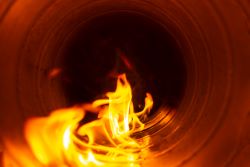
Many schools also operate commercial kitchens to prepare meals for students and staff. These kitchens use extract ventilation systems that remove heat, grease, and smoke from cooking areas.
Over time, grease deposits can accumulate inside ductwork, creating a serious fire hazard.
Regular kitchen extract cleaning to the TR19® Grease specification reduces the likelihood of fires occurring in the first place, while fire damper testing ensures containment if one does occur.
Together, these services form an essential part of a school’s ventilation fire safety strategy.
Protecting School Communities Through Compliance
Schools carry a unique duty of care. Ensuring fire safety systems are maintained is not only about meeting legal requirements. It is about protecting the wellbeing of pupils, teachers, and visitors.
Routine fire damper testing in schools helps to:
- Prevent the spread of fire and smoke
- Maintain compliance with UK fire safety legislation
- Provide evidence for insurers and audits
- Reduce risk to building occupants
- Protect school infrastructure and learning continuity
By prioritising fire damper testing for schools, facilities teams can ensure that critical safety systems will perform exactly as intended during an emergency.
FAQs About Fire Damper Testing in Schools
UK guidance requires annual fire damper testing to ensure compliance and correct operation. Regular inspections help identify faults such as jammed mechanisms, damaged components, or blocked dampers before they become a safety risk.
If fire dampers are not tested, they may fail during a fire, allowing flames and smoke to spread through ventilation systems. This can lead to serious safety risks, potential enforcement action under fire safety legislation, and complications with insurance claims.
Yes. School kitchens produce grease and heat that can increase fire risk within ventilation systems. Kitchen extract cleaning removes combustible grease deposits, while fire damper testing ensures fires cannot spread through ductwork, making both services essential for safe and compliant school facilities.
About the Author: Richard Crews