When it comes to fire safety in buildings, many people think of alarms, sprinklers, and extinguishers. While these are all essential, there is another crucial system working quietly behind the scenes. Fire and smoke dampers play a vital role in preventing the spread of fire and smoke through a building, yet they often go unnoticed.
Understanding how smoke and fire dampers work can help building owners and managers better appreciate their importance and ensure they are properly maintained.
What Are Fire and Smoke Dampers?
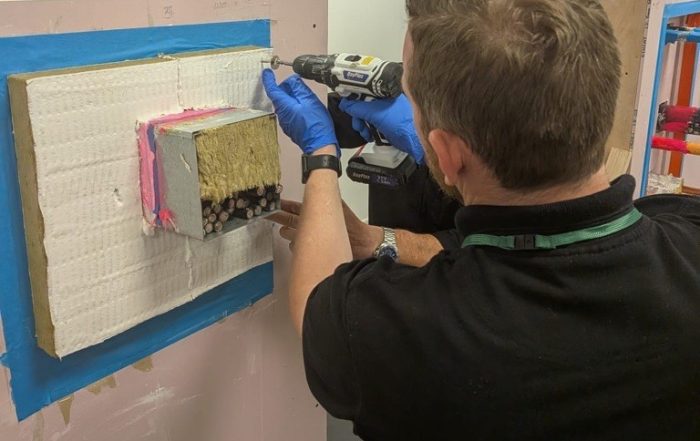
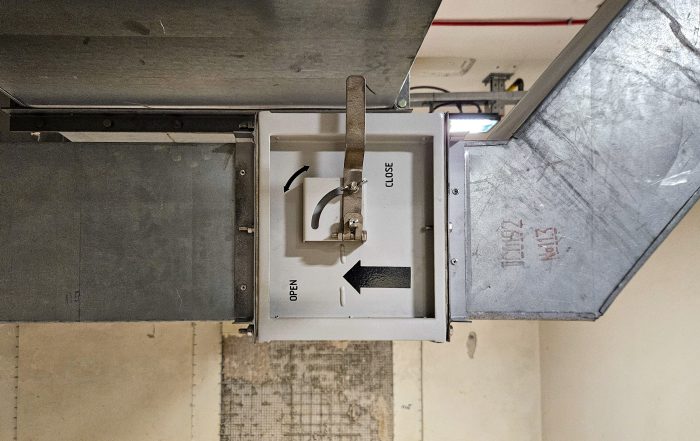
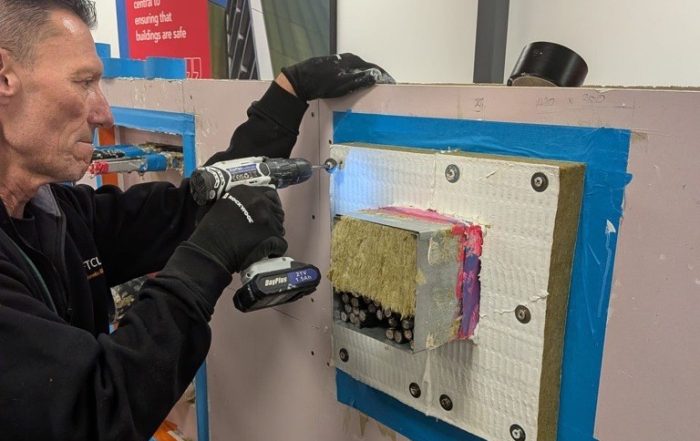
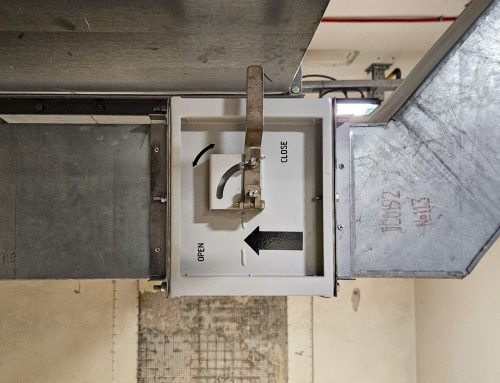
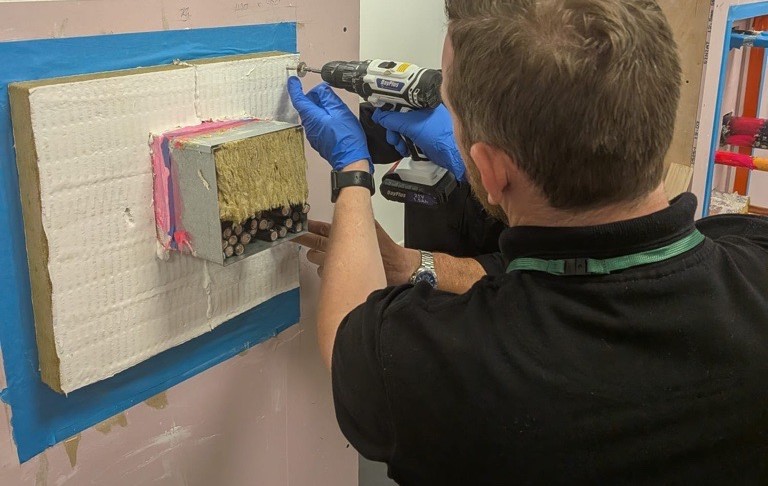
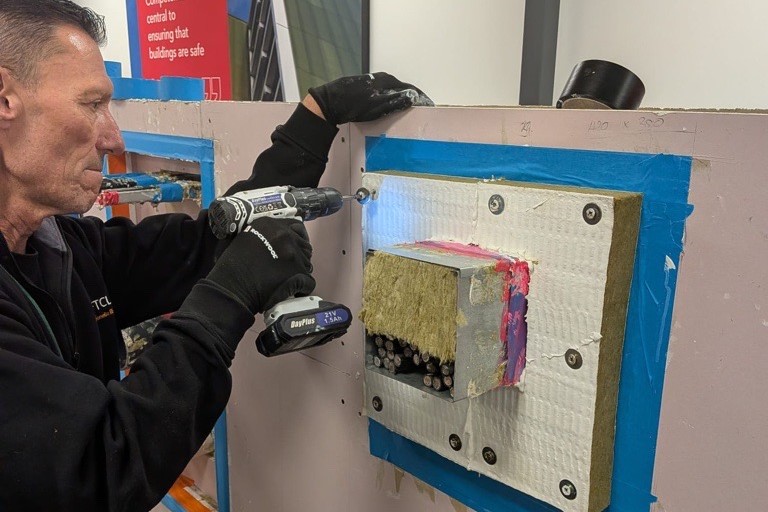
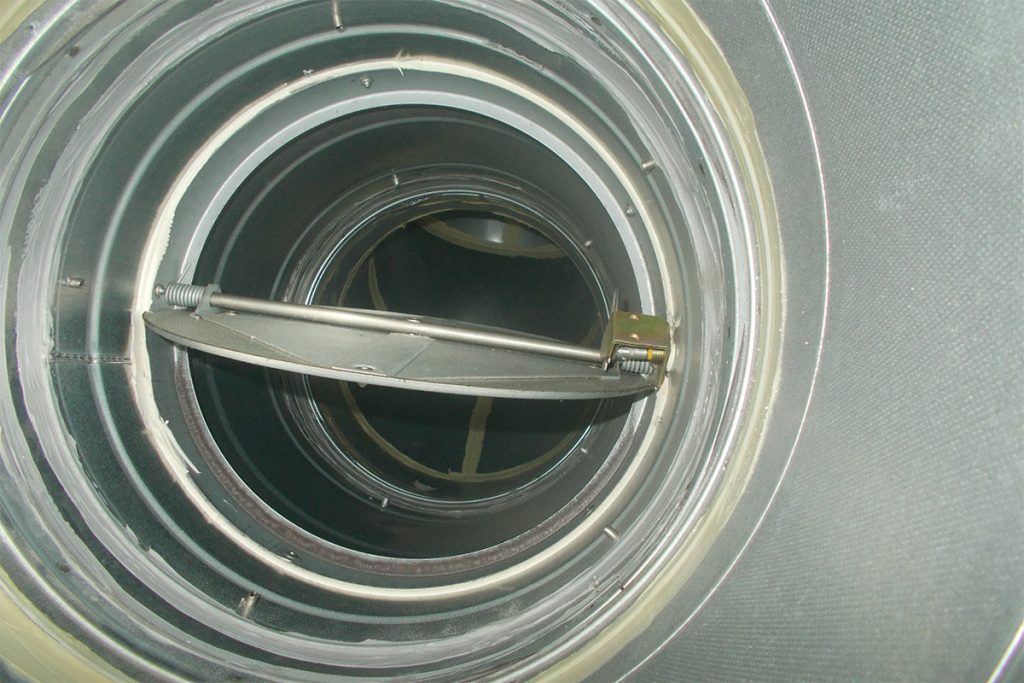
Put simply, fire dampers and smoke dampers are devices installed within a building’s ventilation system. You will typically find them where ductwork passes through fire-resistant walls, floors, or partitions.
Their main job is to slow the spread of fire and smoke travelling through these ducts and spreading to other parts of the building. Without them, ductwork can act like a highway for flames and smoke, allowing a fire to spread rapidly and putting lives at risk.
Although they are often grouped together, fire dampers and smoke dampers have slightly different functions.
How Fire Dampers Work
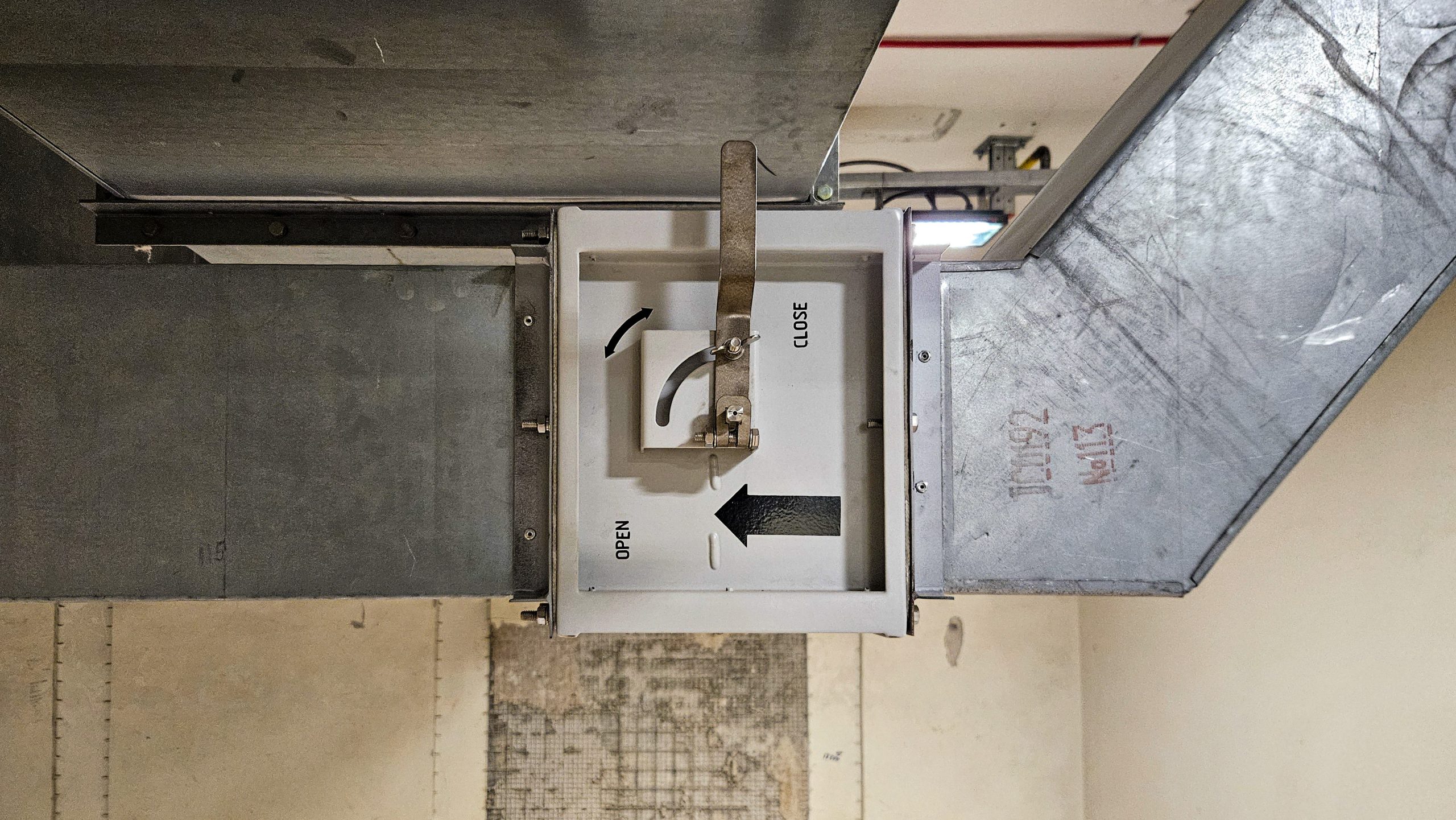
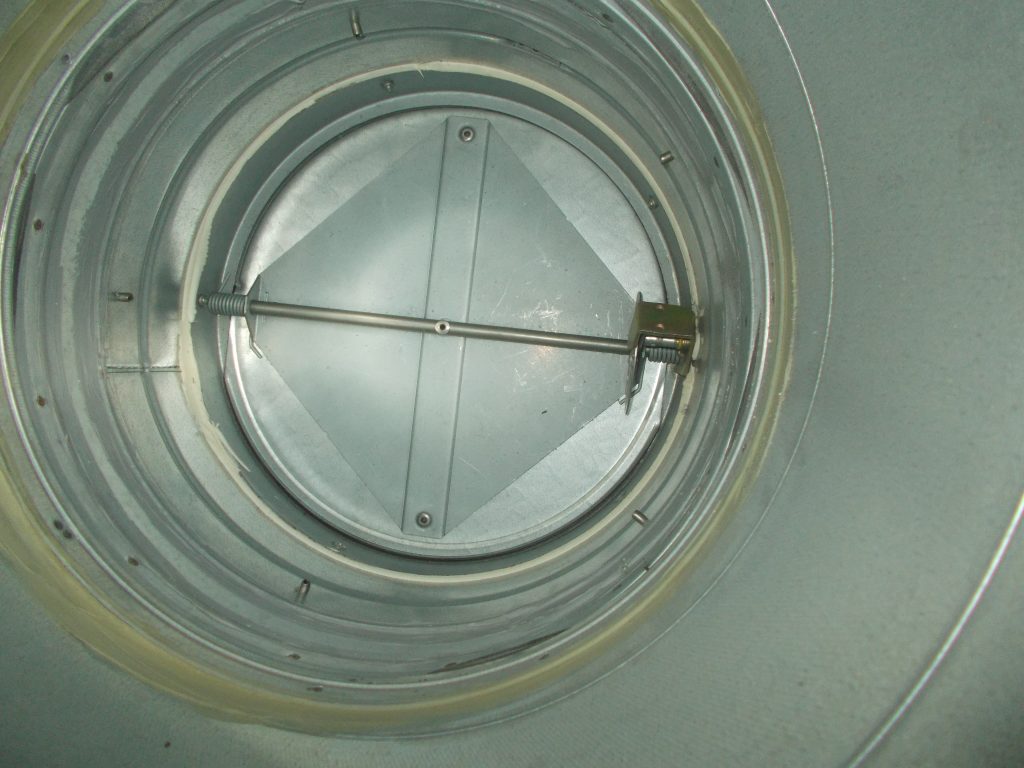
Fire dampers are designed to respond to heat. Inside most designs of damper is a component known as a fusible link. This link is made from a material that melts at a specific temperature, usually around 72°C.
When a fire occurs and the temperature rises, the fusible link melts. This releases the damper’s mechanism, causing the blades to snap shut. Once closed, the damper creates a barrier that helps contain the fire within a specific area.
This is a form of passive fire protection. It does not rely on electricity or manual activation. Instead, it works automatically when exposed to heat, which is particularly important in fast-moving fire situations.
How Smoke Dampers Work
While fire dampers react to heat, smoke dampers are designed to control the movement of smoke. Smoke can often spread faster and further than flames, making it one of the biggest dangers during a fire.
Smoke and fire dampers that are designed to manage smoke are usually connected to a building’s fire alarm or smoke detection system. When smoke is detected, the system sends a signal to the damper, causing it to close.
Unlike fire dampers, smoke dampers are motorised and require power to operate. They can also be used as part of a smoke control system, helping to direct smoke away from escape routes such as stairwells and corridors.
What is a Combined Fire and Smoke Damper?
A combined damper includes both a fusible link and a motorised mechanism, allowing it to respond to both heat and smoke, offering a more comprehensive level of protection.. In many modern buildings, you will find combined fire and smoke dampers.
They typically include both a fusible link and a motorised mechanism. This means they can close automatically in response to rising temperatures, as well as signals from the fire alarm system.
This dual functionality makes them particularly effective in complex buildings where both fire containment and smoke control are critical.
Why They Matter
It is easy to overlook what you cannot see, but fire dampers are a key part of a building’s overall fire safety strategy. By compartmentalising a building and slowing the spread of fire and smoke, they help to:
- Protect escape routes
- Reduce damage to property
- Provide more time for evacuation
- Support the work of emergency services
In environments such as residential blocks, hospitals, and student accommodation, this added layer of protection can make a significant difference.
The Importance of Maintenance
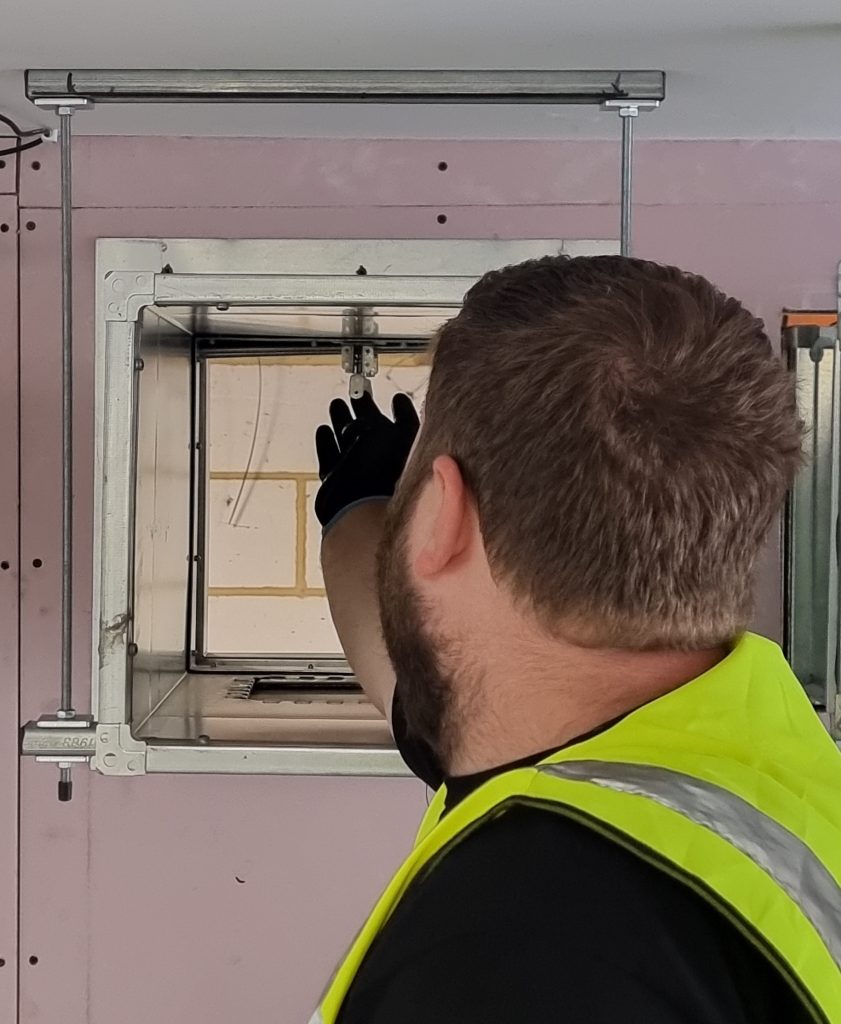
Like any safety system, smoke and fire dampers need regular inspection and maintenance to ensure they work as intended. Over time, dust, debris, or corrosion can affect their performance. In some cases, dampers may even become stuck in an open position, rendering them ineffective. Find out more about why fire dampers fail and how to prevent it.
Routine fire damper testing helps identify these issues early and ensures that each damper will operate correctly in an emergency.
A Quiet but Essential System
Although they rarely get the attention of more visible fire safety measures, fire and smoke dampers are essential for keeping buildings safe. They work quietly in the background, ready to activate when needed and help contain potentially devastating situations.
By understanding how they function and ensuring they are properly maintained, building owners and managers can take an important step towards improving fire safety and protecting the people inside their buildings.
Are Your Fire and Smoke Dampers Compliant?
If you are unsure whether your fire and smoke dampers are up to standard, now is the time to find out. Our accredited engineers will assess your building, identify any compliance gaps, and provide a bespoke quote tailored to your needs.
Common Questions About How Fire and Smoke Dampers Work
How does a fire damper know when to close?
Fire dampers use a fusible link – a small component that melts at around 72°C. When a fire causes the temperature to rise to this level, the link melts and releases the damper mechanism, causing the blades to snap shut automatically. No power or manual intervention is needed.
Where are fire and smoke dampers installed?
They are installed within a building’s ductwork, typically at points where ducts pass through fire-resistant walls, floors, or partitions. This is where they are most needed to prevent fire and smoke travelling from one area of a building to another.
Do fire and smoke dampers need maintenance?
Yes. Over time, dust, debris, and corrosion can prevent dampers from operating correctly. Some may become stuck open, making them completely ineffective in an emergency. Regular inspection and drop testing is essential to confirm they will work when needed.
About the Author: Richard Crews