Fire safety within commercial and residential buildings is not just best practice; it is a fundamental responsibility. Passive fire protection systems, including fire dampers, play a crucial role in preventing the spread of smoke and flames through ductwork and ventilation systems. When these components fail, the consequences can be catastrophic, both in terms of life safety and legal liability.
That’s why many building owners and facilities managers ask, is it a legal requirement to test fire dampers? In this article, we’ll explore the regulatory framework, clarify responsibilities, and explain why fire damper testing is essential for compliance and safety.
What Are Fire Dampers and Why Do They Matter?
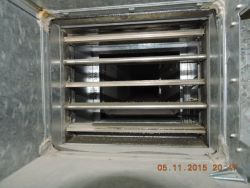
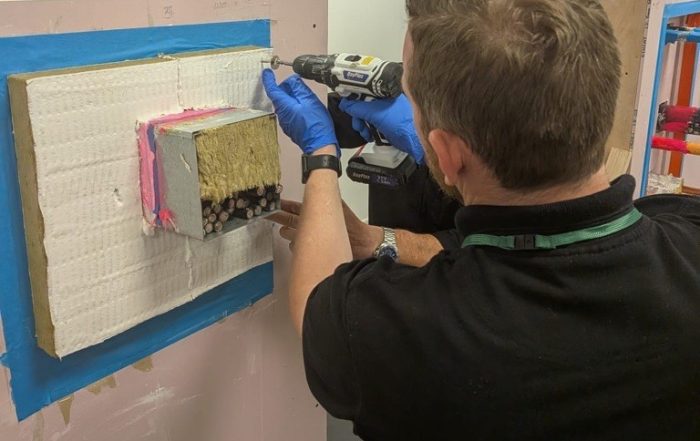
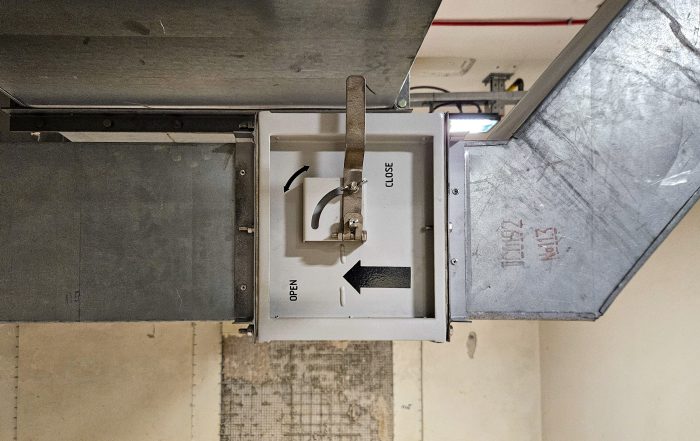
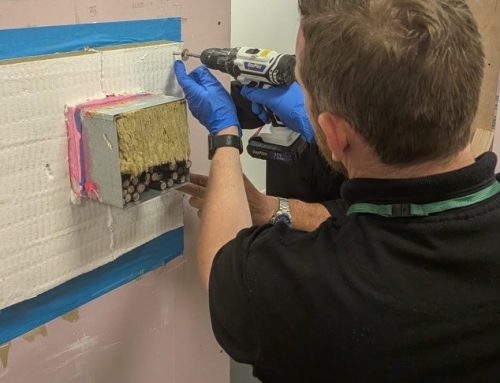
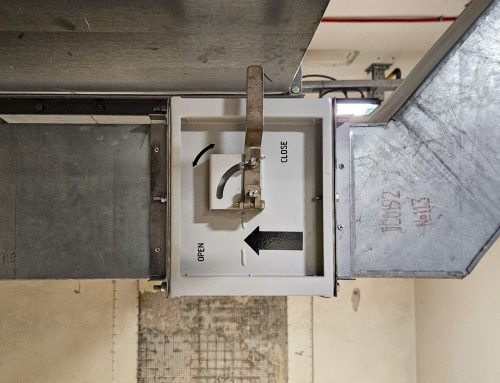
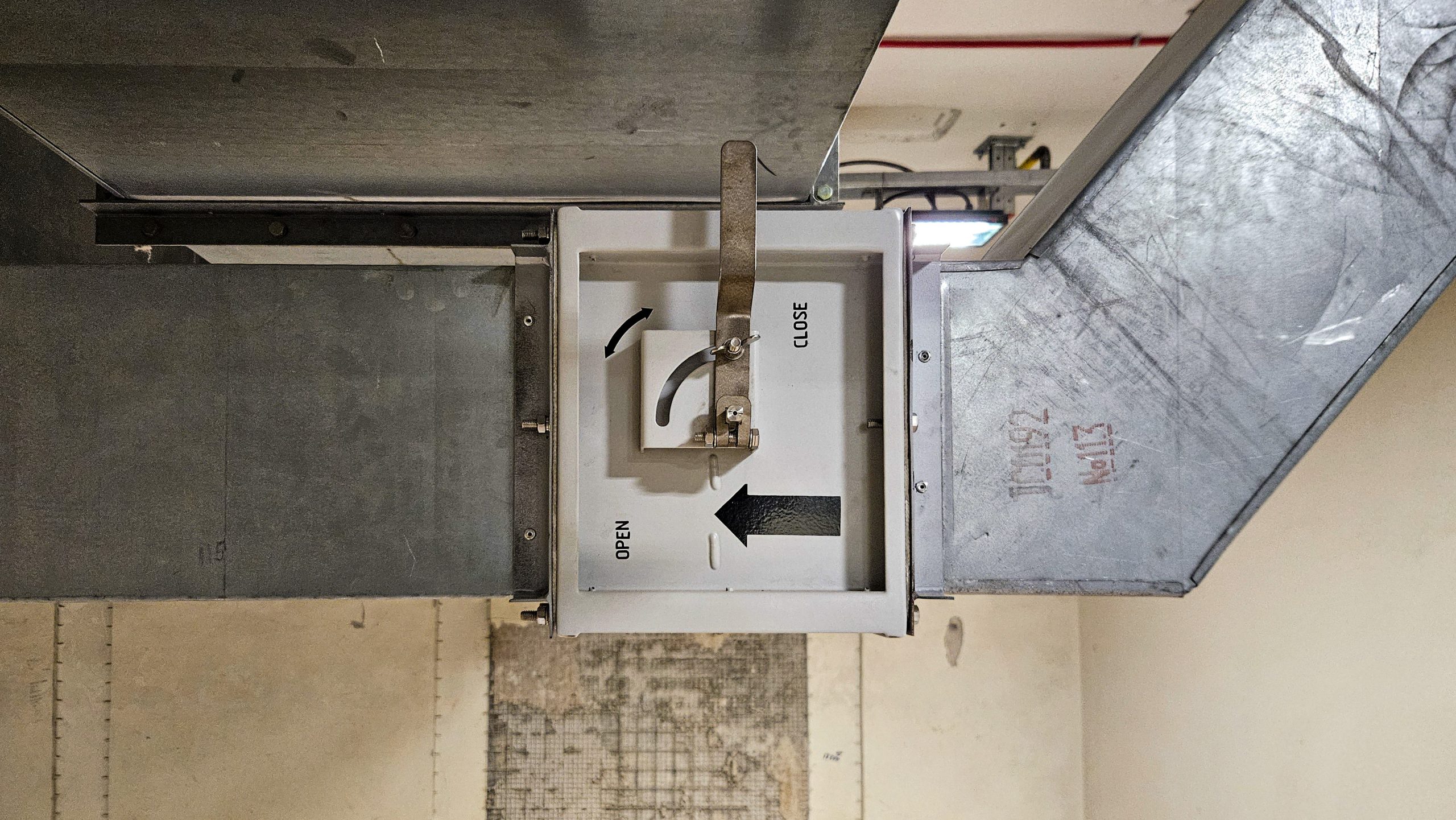
Fire dampers are passive fire protection devices installed in ductwork where it passes through fire-resisting walls or floors. In the event of a fire, they are designed to automatically close when heat is detected, slowing the spread of flames and smoke to other compartments of the building.
Without properly functioning dampers, even a well-designed fire strategy can fail. One common issue is that dampers are often “out of sight, out of mind” and often forgotten. Unfortunately, neglecting these crucial systems can result in regulatory breaches and serious safety risks.
Legal Requirements for Fire Damper Testing

Do fire dampers need to be tested? In the UK, the short answer is yes, fire damper testing is a legal requirement under several pieces of legislation and guidance.
The primary legislation is the Regulatory Reform (Fire Safety) Order 2005 (RRFSO). Under this law:
- The “responsible person” must ensure that fire safety equipment is subject to a suitable system of maintenance.
- Fire protection systems must be maintained in an efficient state, in efficient working order, and in good repair.
- Risk assessments must be reviewed and acted upon.
While the RRFSO does not name fire dampers specifically, they fall clearly under fire safety equipment and passive fire protection systems. Therefore, regular inspection and testing are required to remain compliant.
In addition, British Standard BS 9999 and guidance from BESA (Building Engineering Services Association) recommend that:
- Fire dampers should be tested one year after installation.
- They should then be tested annually – or more often in certain high-risk environments such as hospitals.
Failing to meet these expectations can lead to enforcement notices, significant financial penalties, or prosecution, particularly where inadequate maintenance is found to have compromised occupant safety or breached fire safety legislation.
Do Fire Dampers Need to Be Tested Regularly?
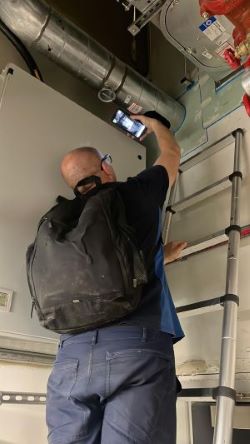
Yes, and not just to satisfy legal language. The mechanical components within dampers can seize, corrode, or become obstructed by dust and debris. Over time, this can prevent the damper from closing properly in a fire situation.
Routine fire damper testing typically includes:
- Physical inspection of the damper’s condition
- Function-testing to confirm correct operation
- Checking access panels and identification labels
- Detailed reporting and certification
Testing provides documented proof that systems are functional, and this documentation is critical if an incident occurs and investigators request evidence of compliance.
Who Is the Responsible Person for Fire Dampers and Fire Safety?

Under the Fire Safety Order, the responsible person is typically:
- The employer, if the premises are a workplace
- The building owner or landlord
- The managing agent or facilities manager (where duties are delegated)
Ultimately, legal responsibility cannot simply be passed on without oversight. While specialist contractors may carry out the fire damper testing, accountability for ensuring it happens rests with the responsible person named in the fire risk assessment.
The Risks of Non-Compliance
Ignoring legal requirements can lead to serious consequences that go beyond a simple advisory notice. Fire authorities have clear enforcement powers where passive fire protection systems, including dampers, are not properly maintained or tested.
Non-compliance may result in:
- Enforcement action by the Fire and Rescue Authority, including formal notices requiring remedial works
- Unlimited fines or prosecution where breaches of fire safety legislation are identified
- Increased insurance premiums or invalidated cover following an incident
- Reputational damage impacting tenants, clients, and stakeholders
In addition to legal and financial repercussions, there is a clear duty of care. Properly maintained fire dampers play a vital role in containing fire and smoke, helping to protect occupants, emergency responders, and the building itself.
Taking a Proactive Approach to Fire Damper Testing
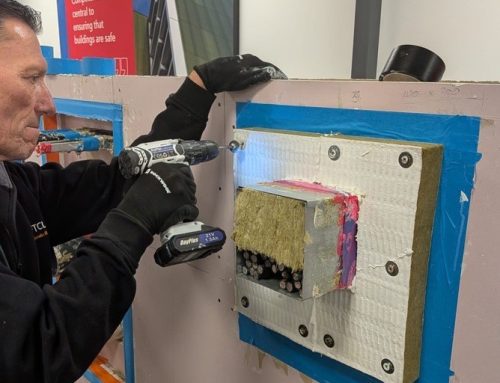
Fire damper testing should be treated as a fundamental part of a building’s fire safety strategy, not a reactive or box-ticking exercise. When inspections are planned, carried out by competent professionals, and properly documented, duty holders can clearly demonstrate compliance with legal obligations and industry standards. Embedding fire damper testing into a structured maintenance programme helps ensure systems will perform as designed in the event of a fire. More importantly, it reflects a responsible, professional approach to risk management, protecting occupants, supporting regulatory compliance, and reinforcing a genuine commitment to life safety.
For further support please contact us on 0800 243 471, info@swiftclean.co.uk or via our website Swift Fire Compliance
About the Author: Gary Nicholls