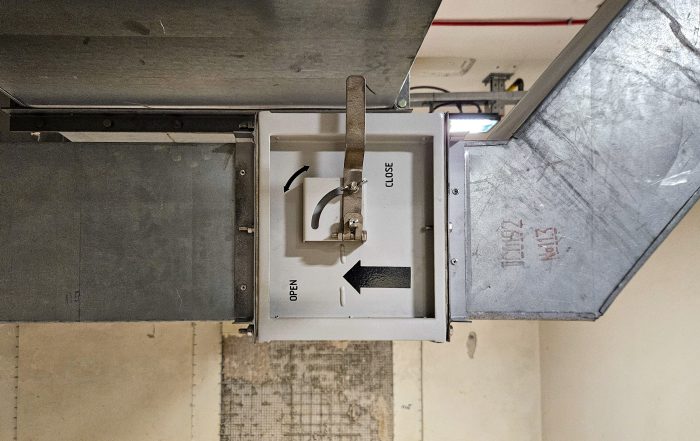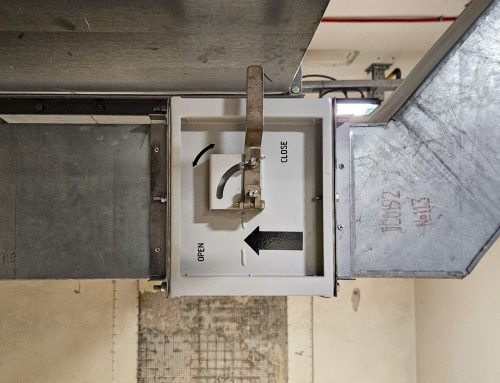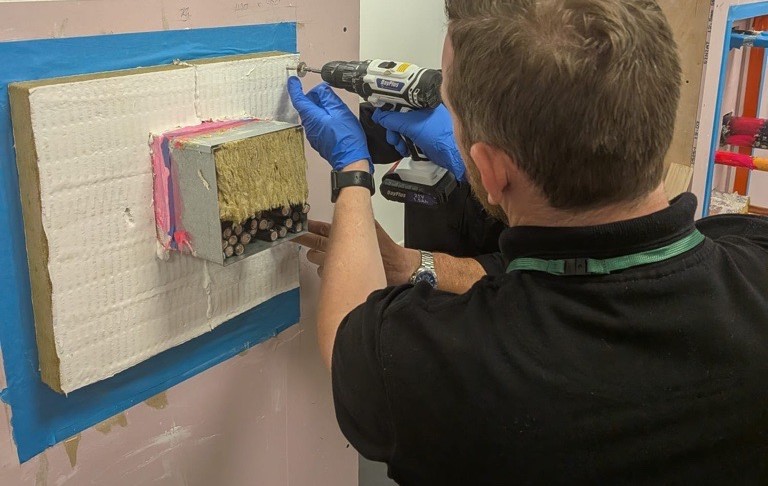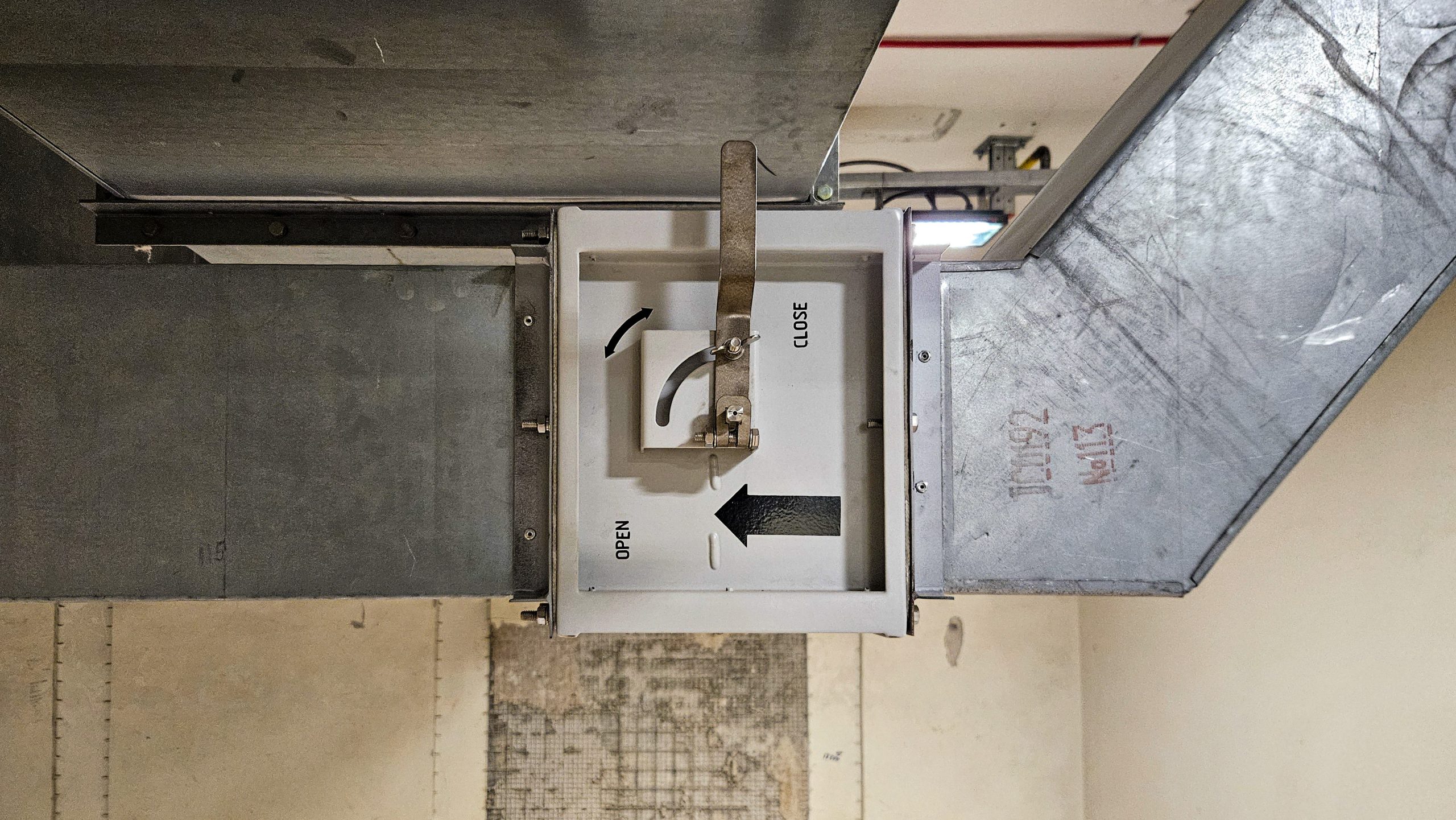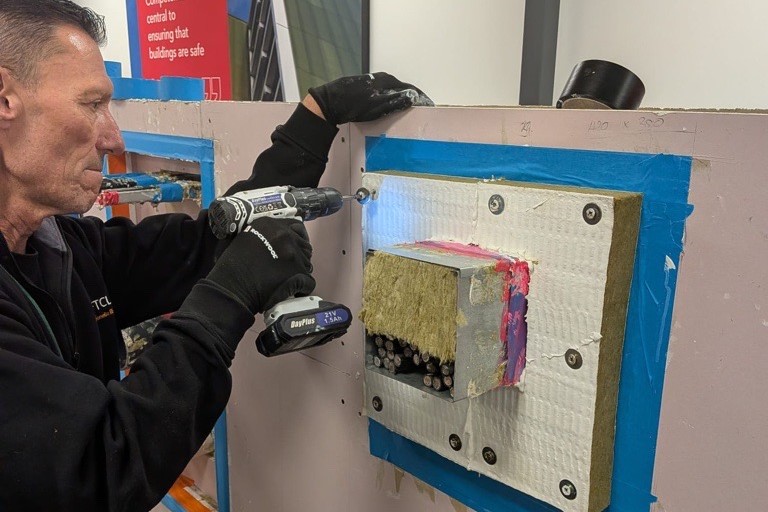
Fire dampers are one of the most overlooked yet critical components of a building’s passive fire protection system. Hidden within ductwork, they are designed to automatically close in the event of a fire, slowing the spread of flames and smoke between compartments. When they work properly, they save lives and significantly limit structural damage.
However, when a fire damper fails, the consequences can be severe. Understanding the most common causes of fire damper failure and how to prevent them is essential for building owners, facilities managers, and duty holders responsible for fire damper testing compliance UK. This guide draws on industry best practice and hands-on field experience to help you reduce risk and maintain compliance with confidence.
1. Corrosion and Environmental Damage
One of the leading causes of malfunction is fire damper corrosion. Damp or contaminated environments, such as kitchens, plant rooms, coastal properties, and industrial sites, accelerate the deterioration of metal components.
Over time, corrosion can:
- Seize moving blades
- Weaken springs and linkages
- Prevent full closure during activation
Preventative action starts with routine visual inspections, which should identify early signs of rust, distortion, or contamination. In higher-risk environments, applying protective coatings and ensuring adequate duct sealing can significantly extend operational life. Proactive monitoring is far more cost-effective than emergency replacement following a failed inspection.
2. Lack of Regular Testing
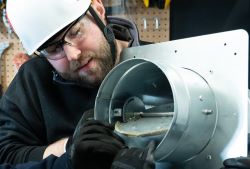
Fire dampers are mechanical devices, and like any moving component, they require periodic operation to ensure reliability. A common cause of fire damper failure is simply that the damper has not been activated or tested in years.
Regulations and industry guidance in the UK require annual fire damper testing in most commercial buildings, with more frequent testing in some high-risk environments such as hospitals. Without regular testing:
- Dust and debris can accumulate in the mechanism
- Moving parts may stiffen or seize
- Linkages may become misaligned
- Components can fail unnoticed
Testing not only confirms functionality but also provides documented evidence supporting fire damper testing compliance UK obligations under the Regulatory Reform (Fire Safety) Order. Whilst skipping inspections may appear to reduce short-term costs, it significantly increases both legal and safety risks.
3. Poor Installation Practices
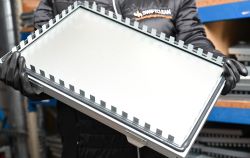
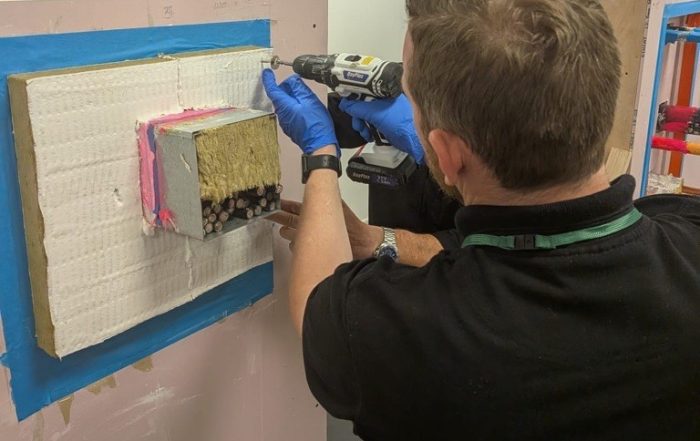
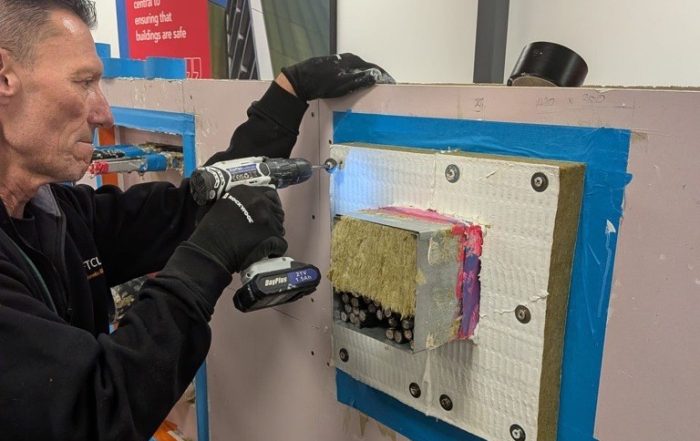
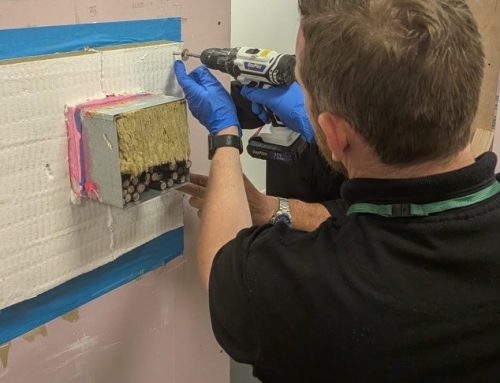
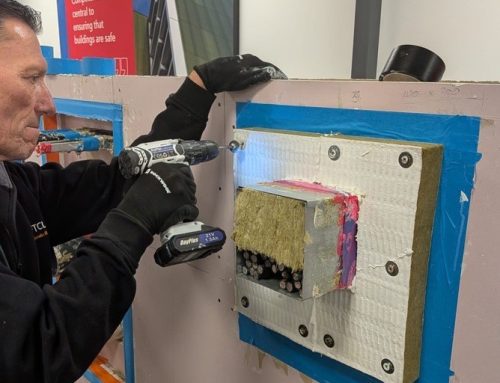
Improper installation remains a widespread issue in both new builds and refurbishments. Even a high-quality damper can fail if fitted incorrectly.
Common installation faults include:
- Incorrect orientation of the damper
- Inadequate access panels for testing and maintenance
- Damper frames not securely fixed into fire-rated walls
- Gaps or poor sealing around penetrations
These errors often go undetected until a professional inspection is carried out. Ensuring installation is completed and signed off by competent professionals reduces the risk of early fire damper failure. Documentation at the installation stage also supports long-term maintenance planning and compliance tracking.
4. Obstructions and Poor Maintenance
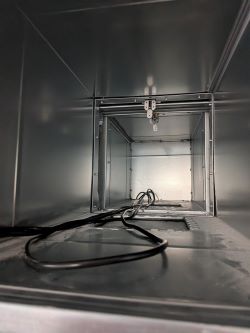
Fire dampers rely on unobstructed movement. Yet in real-world environments, ductwork often accumulates debris, construction residue, insulation fibres, or even cabling mistakenly routed through the damper section.
Physical obstructions can:
- Prevent full blade closure
- Delay activation response
- Cause mechanical strain
- Create a false pass during superficial checks
This is why routine visual inspections are just as important as functional drop testing. A comprehensive inspection should involve access verification, blade integrity checks, and reset confirmation. Buildings undergoing renovation or service alterations are particularly vulnerable to accidental obstructions.
5. Inadequate Record Keeping
Compliance is not just about performance; it is about demonstrable evidence. Incomplete maintenance logs are a frequent issue when assessing fire damper testing compliance UK standards.
Proper documentation should include:
- Damper identification and location
- Test date and method
- Result (pass/fail)
- Remedial actions taken
- Engineer credentials
Without clear records, building managers may struggle to prove due diligence in the event of an audit, enforcement inspection, or insurance claim. Working with qualified fire damper testing engineers ensures that reports meet regulatory expectations and include photographic evidence where required.
Preventing Fire Damper Failures – A Practical Approach
Preventing fire damper corrosion and other forms of malfunction is not about reacting to faults after they arise; it requires a structured, preventative programme embedded into your wider fire safety management plan. From practical experience across commercial, healthcare, and industrial buildings, the most compliant sites are those that treat dampers as critical life safety assets rather than hidden mechanical components.
A robust strategy should include:
- Scheduled annual fire damper testing
- Interim routine visual inspections in high-risk or high-moisture environments
- Professional installation verification following new builds or refurbishments
- Clear, auditable documentation to support fire damper testing compliance UK
- Immediate rectification of any defects identified
Engaging qualified fire damper testing engineers provides reassurance that dampers are fully operational and assessed in line with current UK legislation and industry best practice. Fire dampers rarely attract attention until they fail. By understanding the real-world causes of fire damper failure and implementing preventative measures rooted in technical expertise and regulatory awareness, building stakeholders can reduce life safety risk and ensure their property remains compliant, resilient, and prepared.
Contact Swift Fire Compliance on 0800 243 471, info@swiftclean.co.uk or via our contact form.
About the Author: Richard Crews