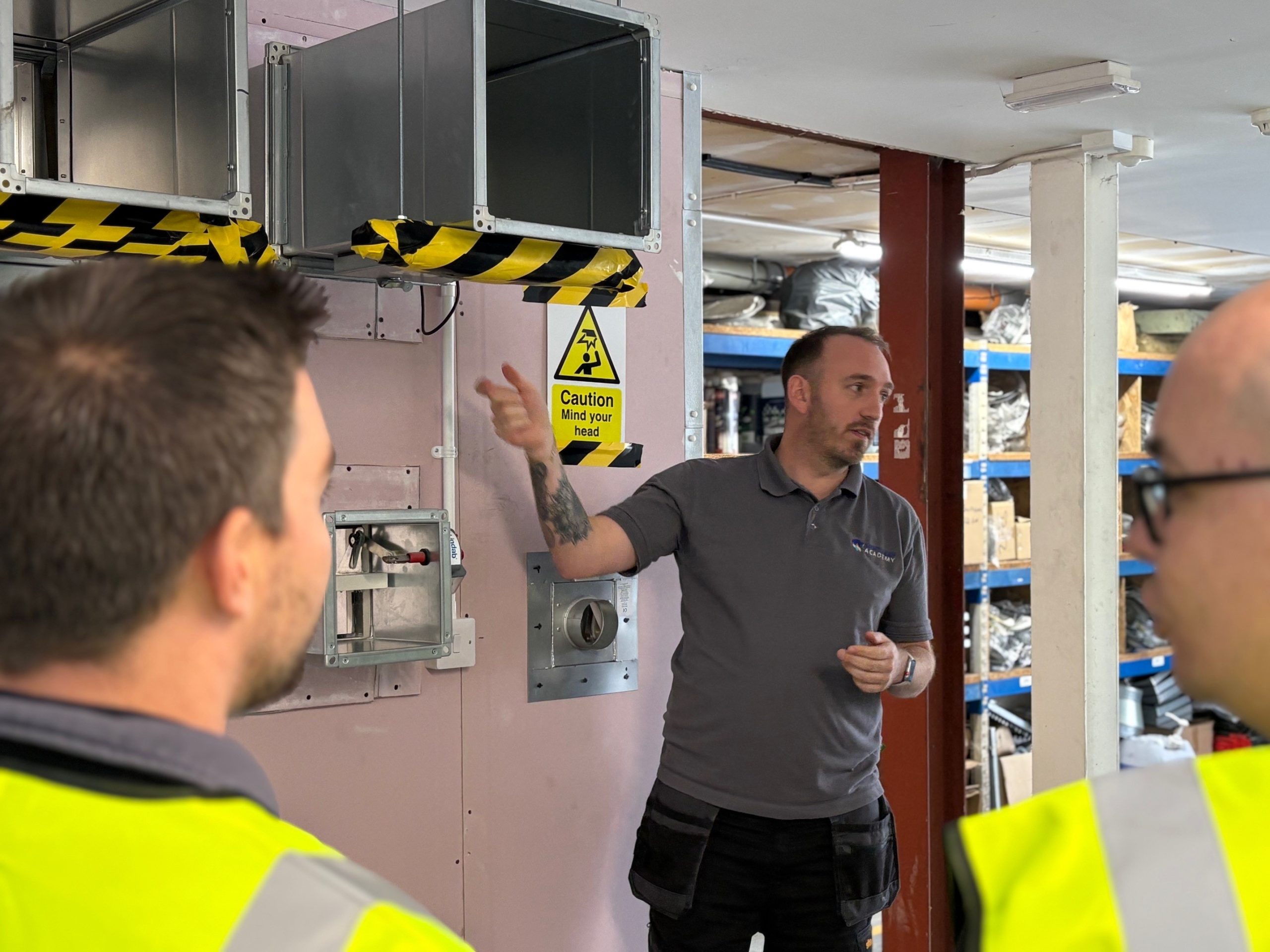
“Fire Strategy in places of culture such as Museums, Galleries, and Libraries is vital to protect artefacts and collections that could be priceless or irreplaceable.”
Art galleries, museums, and libraries are custodians of priceless art, rare manuscripts, and historical archives. With collections that often hold centuries of cultural and intellectual heritage, these institutions face unique fire safety challenges. While security systems and climate & moisture control often take priority, one crucial fire protection measure that can’t be overlooked is fire and smoke dampers.

What Are Fire and Smoke Dampers and Why Are They Essential?
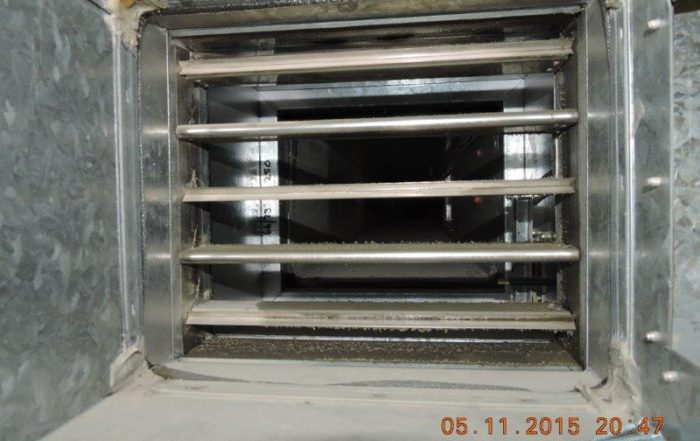
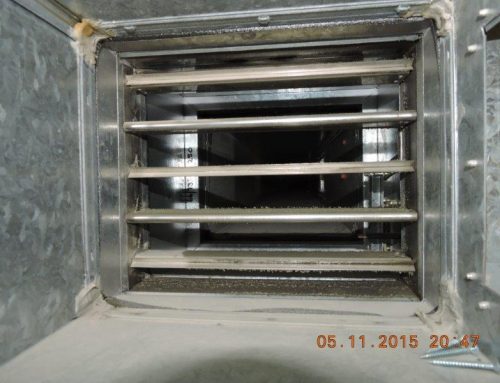
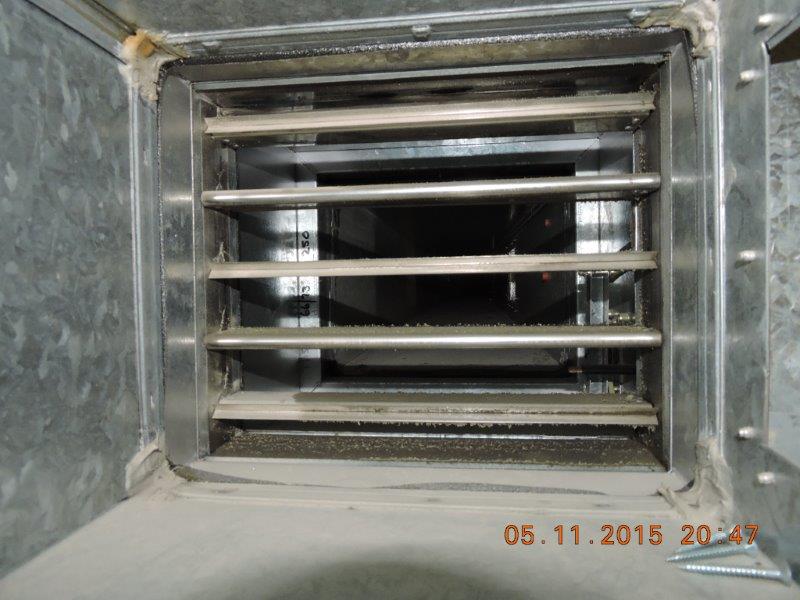
Fire dampers are passive fire protection devices installed in heating, ventilation, and air conditioning (HVAC) ductwork to prevent the spread of fire and smoke through walls and floors during a fire event. When a fire is detected, dampers close to contain or slow the blaze and protect other areas of the building.
Why Fire Dampers Are Critical for Protecting Cultural Collections
For museums, galleries, and libraries, even a small failure in fire compartmentation can mean the loss of priceless collections, items that can never be duplicated or replaced.
In September 2018, the National Museum of Brazil had a fire where 90% of the Collection was lost, the event saw a devastating blaze destroy roughly 92% of the museum’s 20 million artefacts, including irreplaceable cultural and historical objects. The absence of comprehensive fire protection systems and maintenance, was a major factor in the scale of the loss.
This tragedy illustrates how quickly fire can consume collections and why relying solely on basic fire detection or proximity to fire services is not enough. Protection must be actively engineered, tested, and maintained.
Risks of Non‑Compliant Fire Safety Systems
Even with a fire strategy plan in place, untested or poorly maintained fire dampers increase the danger to collections and buildings:
- Irreversible collection loss: Smoke and fire can spread via HVAC systems and hidden voids, irreparably damaging sensitive artefacts.
- Disruption and closure: Recovery and remediation can lead to long-term closures, impacting visitors and revenue.
- Regulatory and legal consequences – Failure to comply with fire safety standards such as BS 9999 can result in fines, penalties, and reputational harm.
Importance of Regular Fire & Smoke Damper Testing and Inspection
Regular fire & smoke damper inspection and function testing is essential to confirm that dampers will:
- Close correctly when triggered, thus preventing the spread of fire and smoke through ductwork
- If they are not working correctly, it’s imperative that you carry out any outstanding remedial action as soon as possible to ensure compliance.
- Support your fire strategy plan in line with BS 9999
Fire dampers should never be treated as a ‘fit‑and‑forget’ item. Like other critical fire safety systems, such as sprinklers, alarms, and emergency lighting, they require ongoing maintenance and testing to remain effective when it matters most.
Protect What Matters Most
For cultural institutions, fire dampers play a vital role in a comprehensive fire safety strategy. Ensuring they are compliant and functioning protects collections that define human culture and history, visitors and staff and reputation and financial stability.
Don’t leave your heritage assets at risk; ensure your fire dampers are fully compliant and actively protecting your building and its contents.
FAQs: Fire and Smoke Damper Testing in Museums, Galleries and Libraries
Fire dampers should be inspected and tested at least once a year in line with UK guidance and fire safety standards such as BS 9999. Regular fire damper testing ensures that dampers close correctly during a fire event and prevent the spread of smoke and flames through HVAC ductwork.
If fire dampers are not regularly inspected and tested, they may fail to close during a fire. This can allow fire and smoke to travel rapidly through ductwork and building compartments, increasing damage, putting people at risk and potentially leading to regulatory non-compliance and enforcement action.
Museums, galleries and libraries house irreplaceable artefacts, manuscripts and collections. Fire and smoke dampers help prevent the spread of fire and smoke through ventilation systems, protecting sensitive items that could be permanently damaged or destroyed by heat, smoke or soot.
About the Author: Matt Saunders