
Firestopping for Fire Dampers
Firestopping is the process of sealing openings and joints in fire-resisting walls and floors to prevent the passage of fire, smoke, and hot gases. It is used wherever services such as pipes, cables, cable trays, conduits, fire dampers, and ducts pass through fire compartment walls or floors.
What is Firestopping?
The purpose of firestopping is to restore the fire resistance of the wall or floor after it has been penetrated, helping to contain a fire within the compartment where it starts for the required period (for example, 30, 60, or 120 minutes).
Common firestopping products include:
For firestopping to be effective, it should:
Receive a Free Quote

Why Do I Need Firestopping?
Firestopping around services, including fire dampers, passing through fire compartment walls and floors is vital because it maintains the fire resistance of the compartment, preventing the spread of fire, smoke, and hot gases through openings created for pipes, cables, ducts, and other services.
Without effective firestopping:
Is Firestopping a Legal Requirement?
Yes. Firestopping is effectively a legal requirement in the UK, although the legislation does not usually use the word “firestopping” itself. Instead, the law requires buildings to maintain fire compartmentation and prevent the spread of fire and smoke, and firestopping is the accepted method of achieving this.
In England, the main legal requirements come from:
What this means in practice
If a contractor installs services, that can include fire dampers, through a fire-resisting wall or floor, they must restore the fire resistance using a tested and appropriately installed firestopping system.
Leaving gaps around penetrations or using unsuitable materials can result in non-compliance with Building Regulations and may lead to enforcement action.
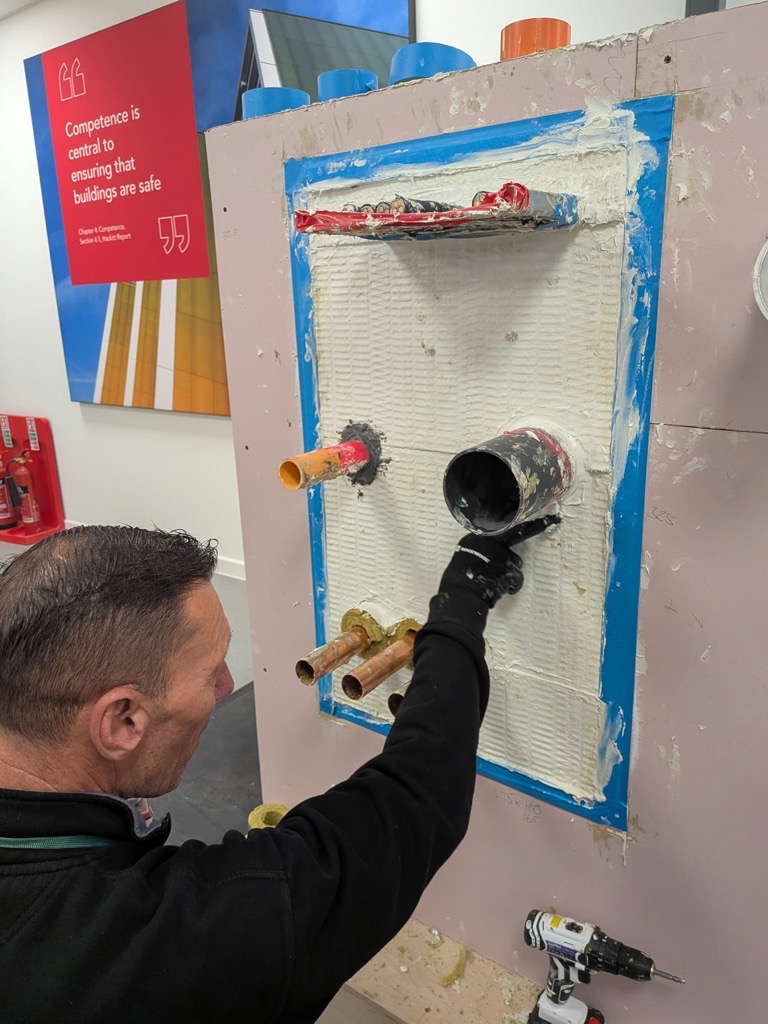
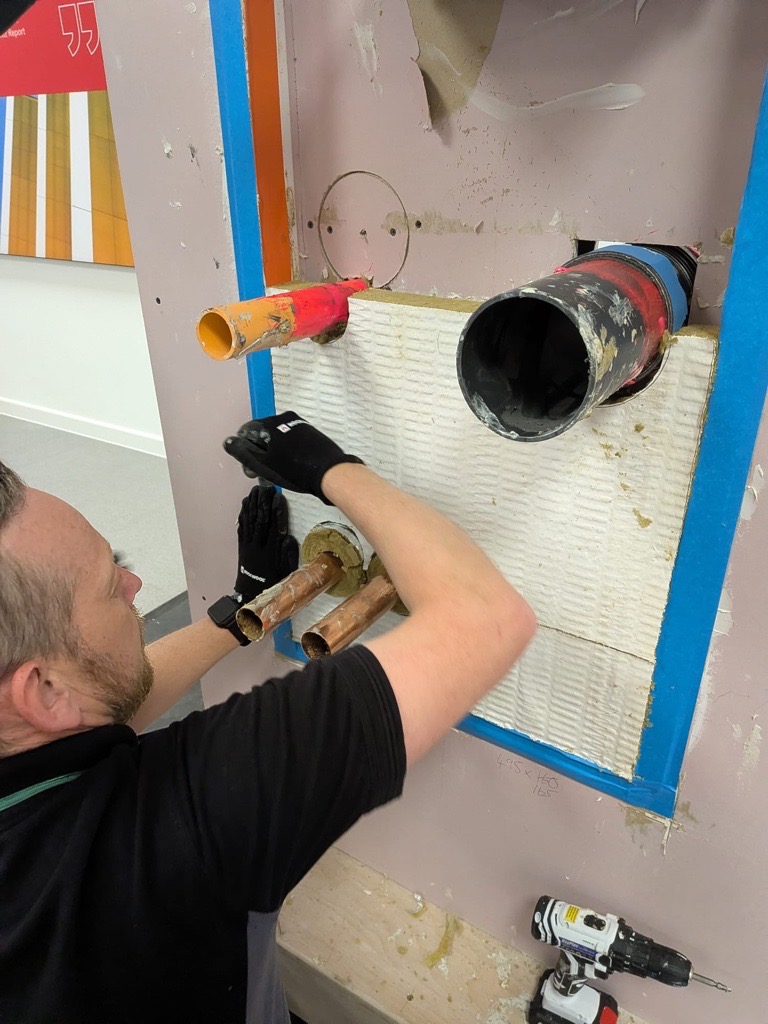
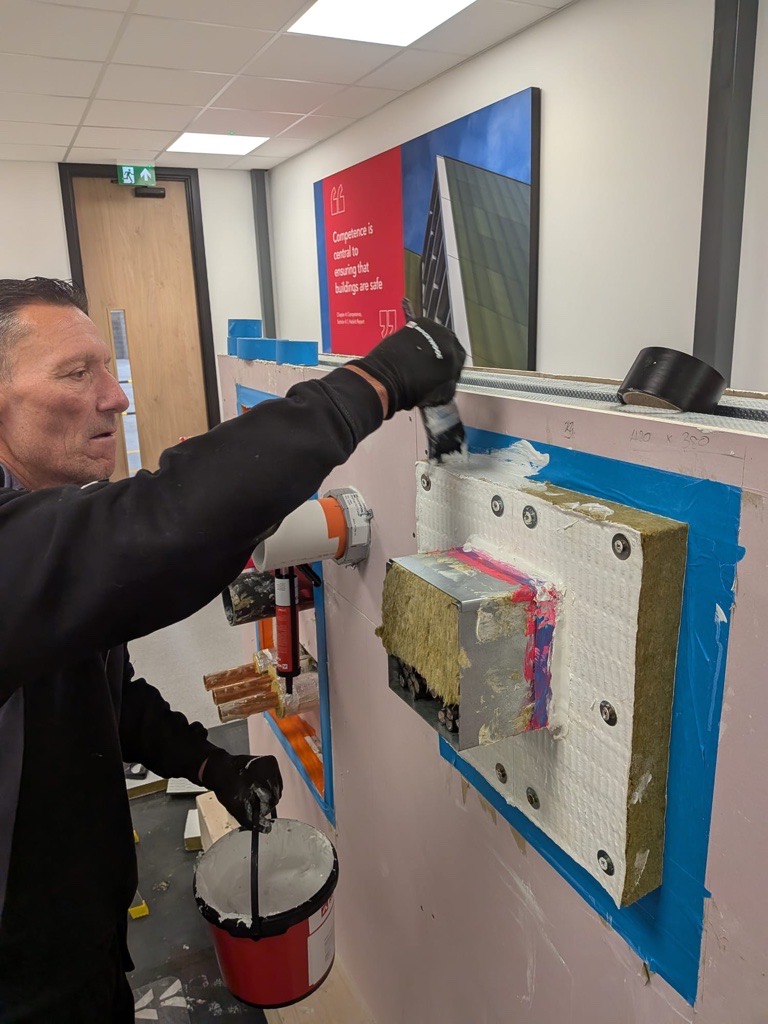
Understanding Firestopping Requirements
What?
Firestopping is the installation of tested fire-resistant materials around service penetrations and construction joints to maintain the fire resistance of walls and floors and prevent the spread of fire and smoke.
Why?
Firestopping restores the fire-resisting performance of walls and floors where service penetrations have been made, helping to contain a fire to its area of origin for the designed period of fire resistance.
Law?
Firestopping is a legal requirement in the UK because Building Regulations require fire compartmentation to be maintained. All service penetrations through fire-resisting walls and floors must be adequately fire stopped to prevent the spread of fire and smoke and preserve the required fire resistance of the compartment.