In this blog, we’ll look at what a fire damper is and its purpose; what happens when a fire damper fails; how to stop your fire dampers from failing and what is the lifespan of a fire damper.
What is a fire damper and what is it for?
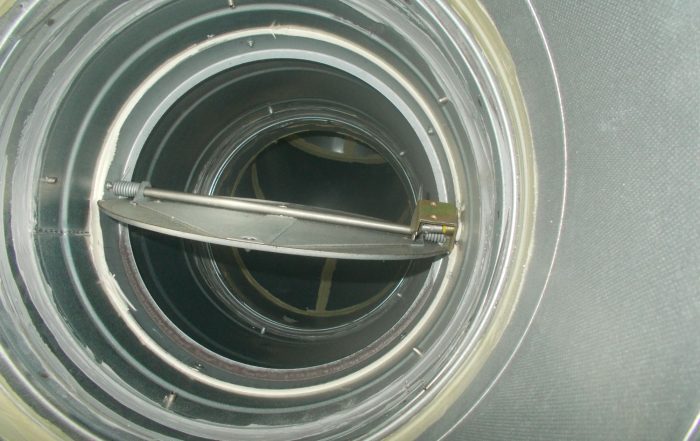
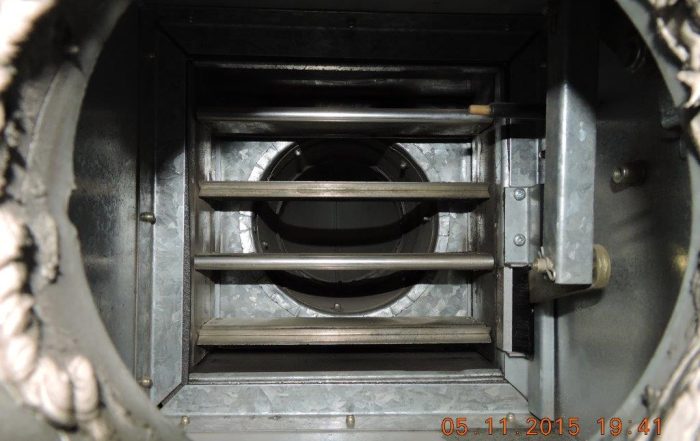
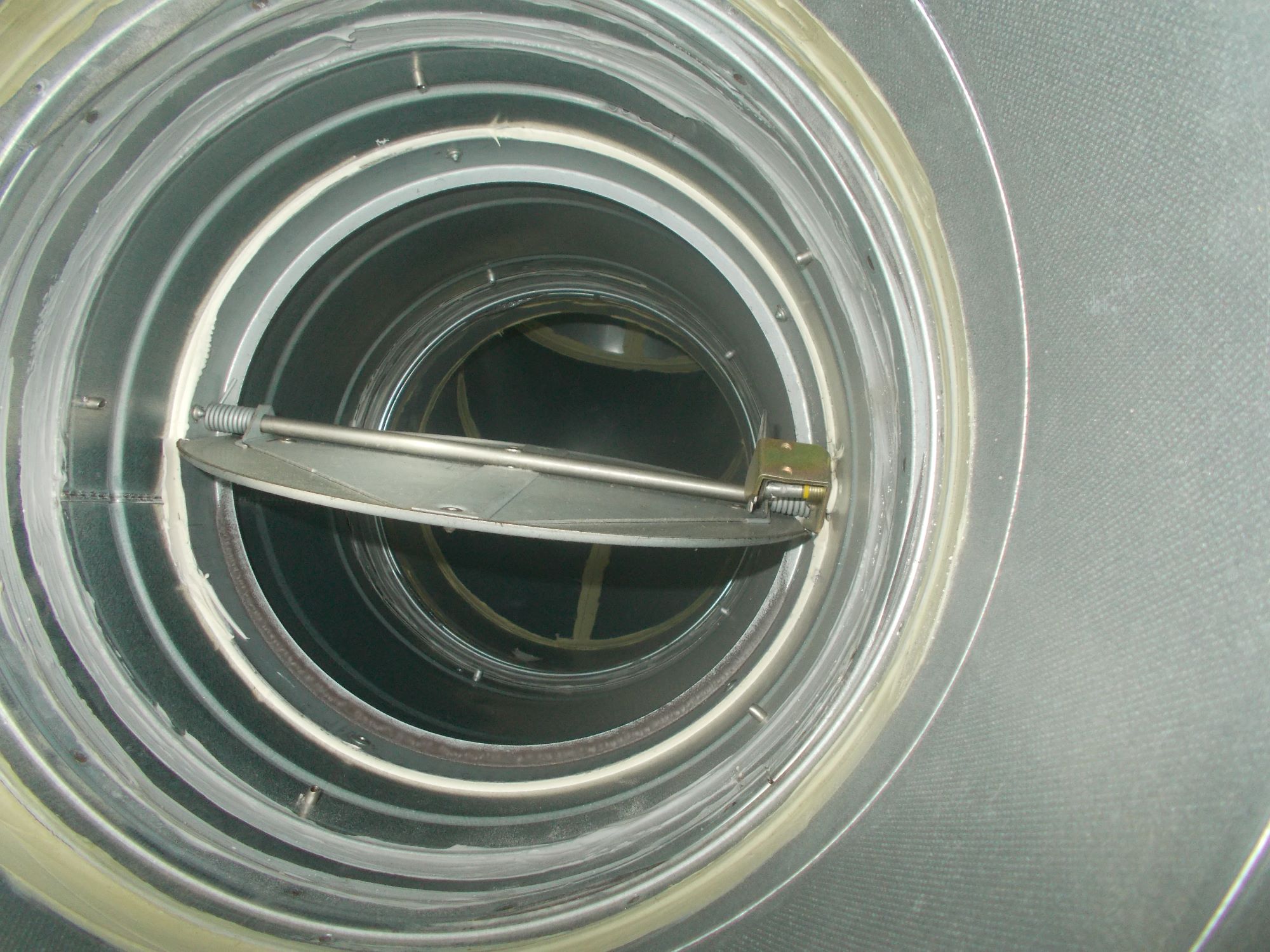
A fire damper is a mechanical or intumescent device, installed within a duct or ventilation opening, at the point in which it passes through an internal fire-resistant wall or floor slab. The fire damper operates in the event of fire and is designed to resist its spread, allowing occupants to evacuate safely.
What happens when a fire damper fails?
If a fire damper fails in the event of a fire, there are no blocks to impede the fire’s progress. The blades do not close. This leads to less time for occupants to evacuate the building, possibly leading to a higher number of casualties.
Why do fire dampers fail?
- Corrosion or dirt on the springs or the blades
- Blockages – these can be from debris or sometimes dampers can be deliberately propped open to allow other cables or pipes for other utility services to pass through them.
- Improper installation – fire dampers have been seen installed upside down, with an incomplete fire batten or fire wall around them.
- Improper maintenance – they may have passed when they were tested the previous year but that doesn’t mean they will pass again a year later. That’s why yearly testing is so important.
- Insufficient access
These issues can cause jamming, corrosion, or physical obstructions that prevent the damper from closing as it should. For motorised dampers, electrical faults are an additional cause of failure.
How can I stop my fire dampers from failing?
To ensure that your fire dampers work correctly, you need to have them regularly tested. By law, this needs to happen at least once every year. It doesn’t matter what type of fire damper you have in your property and is a specific requirement of British Standard 9999 (2017), which in turn is reinforced by the Regulatory Reform (Fire Safety) Order 2005 and the Building Safety Act 2022.
What is the lifespan of a fire damper?
Like any mechanical device, fire dampers are subject to wear and tear and therefore have a finite life. Non-motorised dampers should last around 20 years. Motorised dampers will generally have a shorter lifespan as the motor may start to experience issues around 15 years. Regular maintenance will reveal any rust or corrosion that might impact the functionality of your fire dampers.
Fire dampers are a crucial part of any building’s fire safety system, designed to contain fire and smoke and protect lives. However, they can only do their job if they are correctly installed, maintained, and regularly tested. Neglecting routine inspections or overlooking signs of wear and damage can lead to devastating consequences in the event of a fire. By ensuring proper installation, annual testing, and timely maintenance, you can significantly reduce the risk of failure and help keep your building, and everyone in it, safe.
For more detailed information on fire dampers, download our ‘Ultimate guide to fire and smoke dampers’ here.
About the Author: Richard Crews