Do You Need Training to Operate and Test Fire Dampers?
Smoke and fire damper testing is not a task that can be carried out by untrained personnel. To remain compliant and to protect building occupants, you do need training to operate and test fire dampers, as the process involves detailed knowledge of passive fire protection, building regulations and BS 9999 requirements. Without the correct competence, there is a serious risk of faults going unnoticed, reports being completed incorrectly, or dampers being left in unsafe conditions.
Who Should Carry Out the Testing?
Testing should only be completed by a competent, trained engineer who is familiar with industry requirements and legislation such as BS 9999 and passive fire protection requirements.
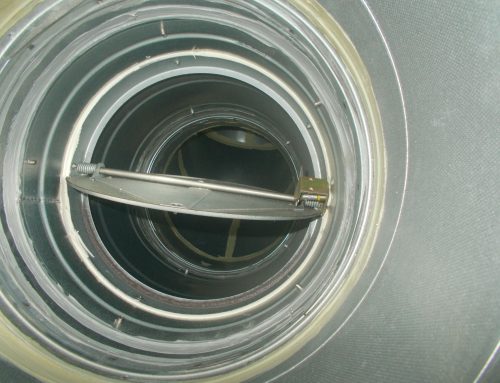
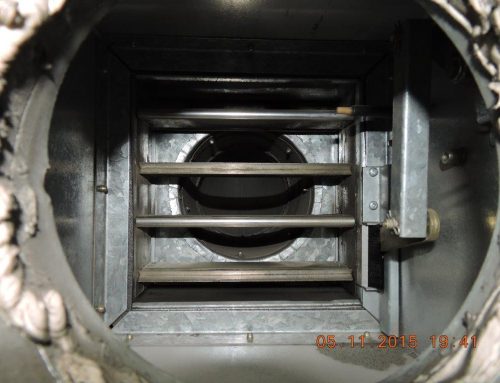
A trained engineer understands how to safely access dampers, identify installation issues, recognise corrosion or obstructions, and complete functional testing to prove that the damper will close properly in the event of a fire. They also know how to complete accurate post-verification reports and raise remedial recommendations to ensure the system remains safe and compliant.
The responsible person must keep accurate records, including an asset register, test results, and evidence of any remedial work.
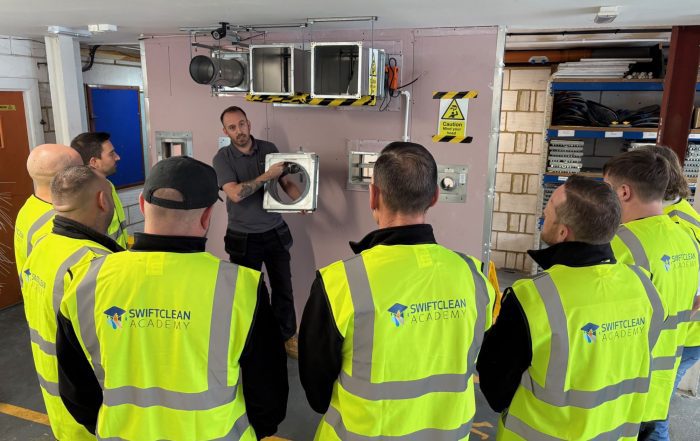
At Swift Fire Compliance, we train our fire damper technicians through an internally developed course under our Swiftclean Academy division.
“Only competent, trained personnel possess the knowledge to identify faults, conduct accurate testing, and ensure the dampers operate correctly in an emergency. The right expertise can mean the difference between containing a fire and letting it spread,” says Swiftclean Training Manager, Richard Crews.
Part of being a competent fire and smoke damper testing technician is being able to complete a compliant post-verification report in a timely manner following any visit.
What a Fire & Smoke Damper Test Should Include
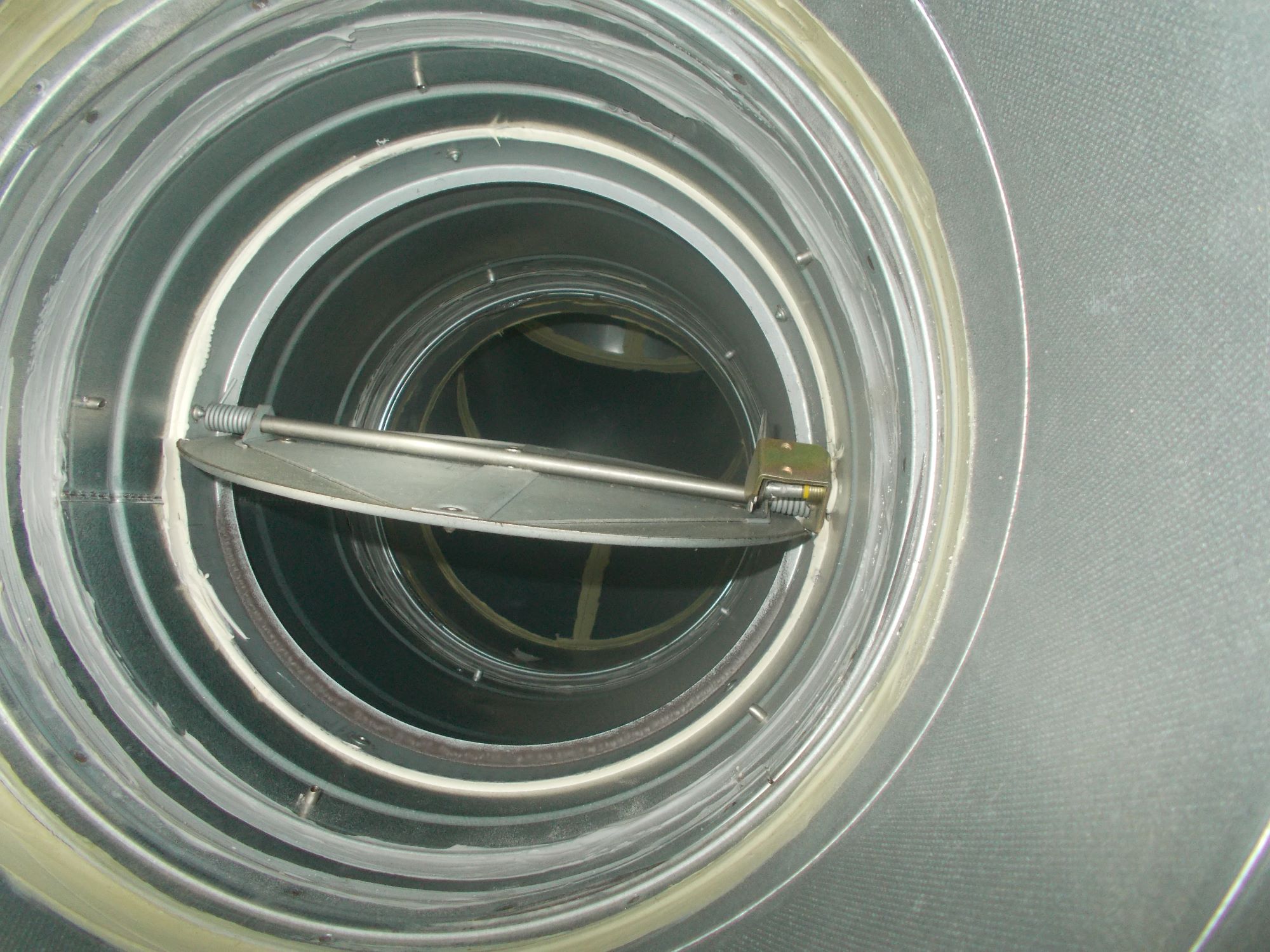
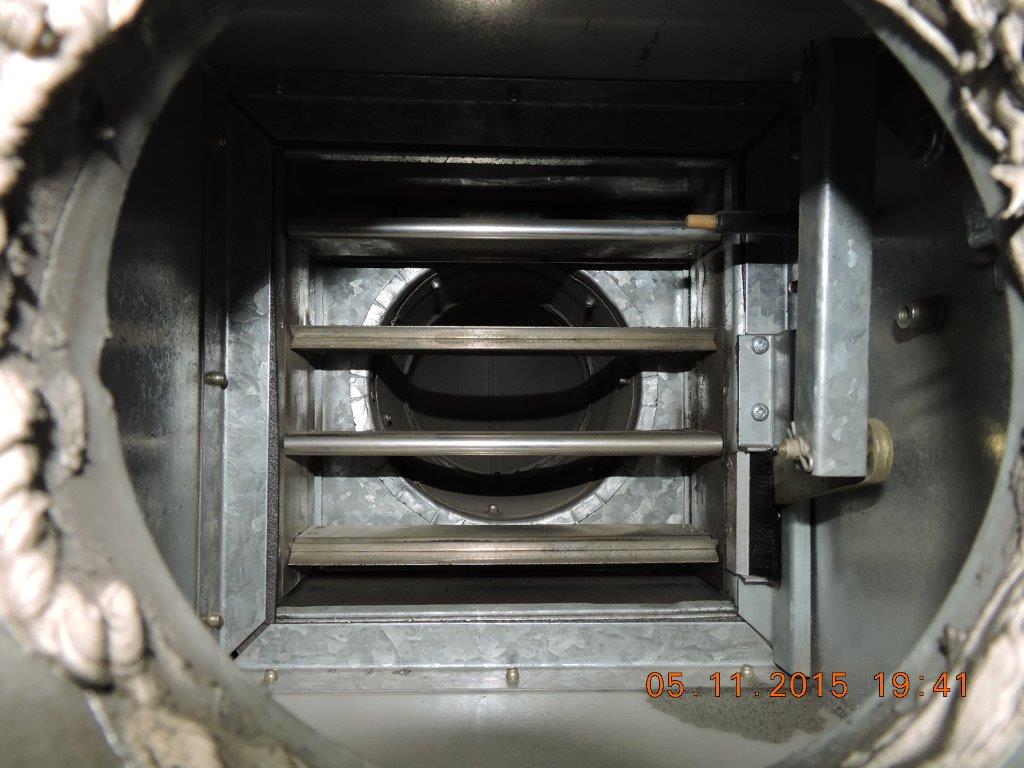
A proper fire or smoke damper test isn’t just a visual inspection. It typically includes:
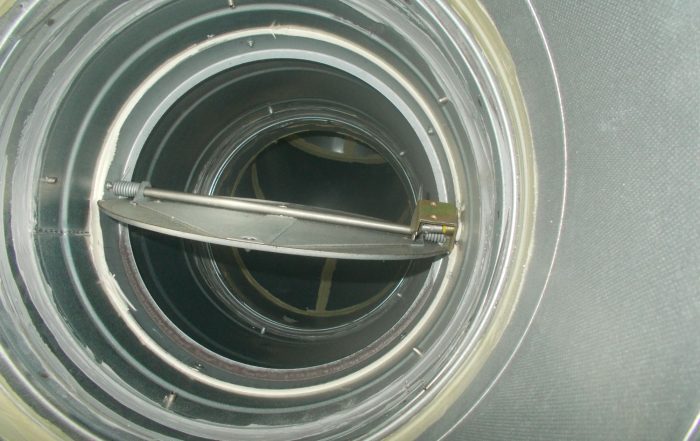
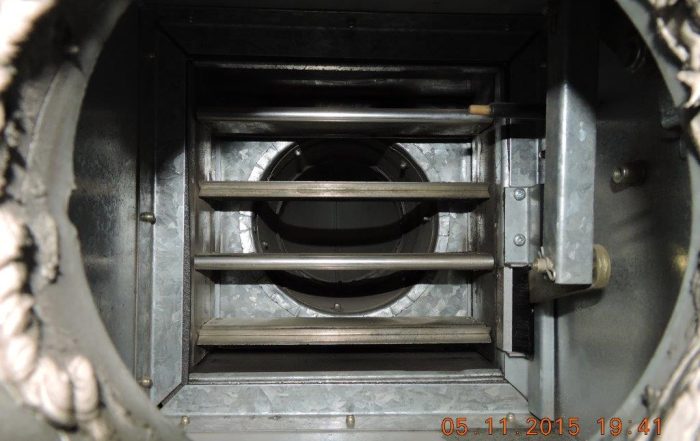
- Opening access panels to inspect damper condition
- Functional testing, such as drop tests or actuator checks
- Cleaning and minor maintenance
- Resetting the damper
- Full reporting and photographic evidence
It is important to address any damper failures swiftly to ensure optimal performance.
Additionally, conducting follow-up remedial actions after function testing is crucial for maintaining compliance and enhancing overall system reliability.
Download our ultimate fire damper guide for all the information you need on fire and smoke dampers – from what a fire damper does right through to common remedial repairs- all in one convenient download.
To see our full offering of compliance courses, available at our training centre, and some available online, please click here.
About the Author: Richard Crews